EN
EN


NYHEDER
Infrarøde gasvarmere til fjerkræstalde: En køjervejledning for landbrugsgrossister
Udrukningsfasen er den mest temperaturfølsomme fase i fjerkræproduktionen. Unge kyllinger kan ikke regulere deres egen kropstemperatur de første uger af livet, og forskellen mellem en varm, jævn udrukningshal og en trækgal hal viser sig direkte i dødeligheden, vækstraten og foderomdannelsen. Derfor er opvarmningsudstyr en af de mest omhyggeligt overvejede indkøbsposter på en fjerkræfarm – og en stabil gentagelsesordre for landbrugsgrossister, der leverer det.
Denne vejledning forklarer, hvorfor infrarøde gasopvarmere er en foretrukken udrukningsløsning, hvilke specifikationer der er afgørende, og hvad landbrugsgrossister bør verificere ved indkøb af dem.
Hvorfor infrarød gasopvarmning dominerer fjerkræudrukning
Fjerkræproducenter opvarmer store, ventilerede og ofte dårligt isolerede rum. Tre opvarmningsteknologier konkurrerer inden for dette segment:
- Elektriske strålingsopvarmere er rene og simple, men dyre at drive ved de wattværdier, der kræves til store udrukningshaller, og landbrug i landlige områder kan stå over for problemer med strømforsyningens pålidelighed.
- Varmeluftsenheder (tvungen konvektion) opvarmer luften, men skubber den også rundt – hvilket får støv fra litteren til at blæse op, øger varmetab fra ventilationen og opvarmer områder, som kyllingerne ikke bruger.
- Infrarøde gasvarmere udstråler varme direkte mod kyllingerne og gulvet og opvarmer fuglene samt deres umiddelbare omgivelser i stedet for hele bygningsvolumen.
Infrarød gasopvarmning vinder på de økonomiske faktorer, der betyder noget for en producent: brændstoffet er billigere pr. enhed varme end elektricitet på de fleste markeder, varmen går dertil, hvor fuglene er, og enhederne fortsætter med at fungere uafhængigt af elnettet.
Hvordan infrarøde gasopvarmere fungerer i en kyllingeopdrætsstald
En infrarød gasopvarmer brænder LPG eller naturgas mod en keramisk plade eller et metalnet, som gløder og udstråler varme – ligesom solen opvarmer en overflade direkte. Kyllingerne samles i den varme zone under opvarmeren, og producenten justerer effekten efter fuglenes alder: høj intensitet for én-dags-kyllinger, gradvist reduceret efterhånden som de vokser.
Nøglefunktioner ved brug under kyllingeopdragelse:
- Direkte strålingsvarme når kyllingene via luften uden at opvarme hele stalden – især værdifuld om vinteren, hvor ventilation skal opretholdes for at sikre god luftkvalitet.
- Stedvis zonering: opvarmningsenhederne kan placeres, så de skaber varme zoner, hvilket giver kyllingene mulighed for at bevæge sig til deres behagelige temperatur i stedet for at blive fanget i et ensartet opvarmet område.
- Hurtig respons: den strålede overflade når arbejdstemperaturen hurtigt, hvilket er afgørende under morgentjek og ved kuldeudbrud.
- Brændstofsflexibilitet: enhederne er tilgængelige til brug af flydende petroleumsgas (LPG) eller naturgas og passer derfor til gårde med begge typer gasforsyning.
Hvilke specifikationer er afgørende for opdræt
Når landbrugsgrossister vælger infrarøde gasopvarmningsenheder til deres lager, er det følgende specifikationer, der har størst betydning for landbrugsproducenterne:
- Angivet varmeydelse (kW eller BTU): juster opvarmningsenhedens ydelse efter stalddimensionerne og kyllingedensiteten. Større kommercielle staldanlæg bruger flere opvarmningsenheder, der er fordelt på gulvet, frem for én enkelt for stor enhed.
- Gasart og tilslutning: LPG (flaske eller bulktank) versus naturgas samt regulatorkonfigurationen for markedet.
- Tændsystem: pålidelig piezo- eller elektronisk tænding er afgørende i støvede landbrugsomgivelser – gentagne mislykkede tændinger er en almindelig klage ved billige enheder.
- Sikkerhedssystemer: flammeafbrydelsesbeskyttelse og gasafbrydelse er afgørende i en miljø med litters, støv og sengebund.
- Holdbarhed i landbrugsforhold: enheden skal kunne tåle ammoniak, støv og fugt. Korrosionsbestandig konstruktion og en beskyttende skærm over den strålingsaktive overflade forlænger levetiden.
- Montering og bærbarhed: broderovne sættes ofte op i hængende stilling eller placeres på kyllingshøjde de første uger; tjek monteringsmulighederne og om enheden egner sig til bærbar placering mellem staldene.
Økonomien, der sælger produktet
For et landbrug er købsbeslutningen en driftsomkostningsbeslutning:
- Brændstofomkostning pr. enhed varme: i de fleste regioner leverer LPG eller naturgas varme til en lavere pris end elektricitet – forskellen bliver større i kolde årstider, hvor opvarmningstiden forlænges.
- Opvarmningseffektivitet: fordi strålingsvarme retter sig mod fuglene frem for bygningen, går der mindre varme tabt gennem ventilation og tagtab end ved luftbaserede opvarmningssystemer.
- Uafhængighed af elnettet: gasovne fungerer også under strømafbrydelser, hvilket i en vinterudrygningsperiode ikke er en bekvemmelighed – det er en risikostyringsfunktion.
Landbrugsgrossister, der kan præsentere disse tal – med brug af gårdens faktiske lokale brændstofpriser – lukker ordrer hurtigere end dem, der kun sælger på produktbilleder.
Sikkerhed og certificering til landbrugsbrug
Landbrugsudstyr er ikke undtaget fra reguleringen af gasapparater:
- Certificering: gasovne skal være forsynet med den certificering, der gælder på det pågældende marked (CE/UKCA i Europa, CSA eller tilsvarende i Nordamerika, AGA i Australien), og de skal være justeret til den rigtige gastype og trykniveau.
- Ventilationsbehov: forbrænding producerer kuldioxid og, hvis den er ufuldstændig, kulmonoxid. Brug af varmeelementer i oppasserhuse kræver ventilation, der er tilstrækkelig til den samlede installeret varmeindgang — producentens installationsvejledning skal tydeligt angive dette.
- Frihedsafstand og placering: enheden skal placeres væk fra litter, bedding og brændbare materialer. Beskyttede strålingsflader reducerer brandrisikoen ved utilsigtet kontakt kontakt med bedding.
Grossister skal anmode om certifikatet for det præcise modelnummer og gasart, og videregive installations- og ventilationsvejledningen til landbrugskunderne — det beskytter fuglene, landbruget og din ansvarsforpligtelse.
Faglige råd til landbrugs-grossister
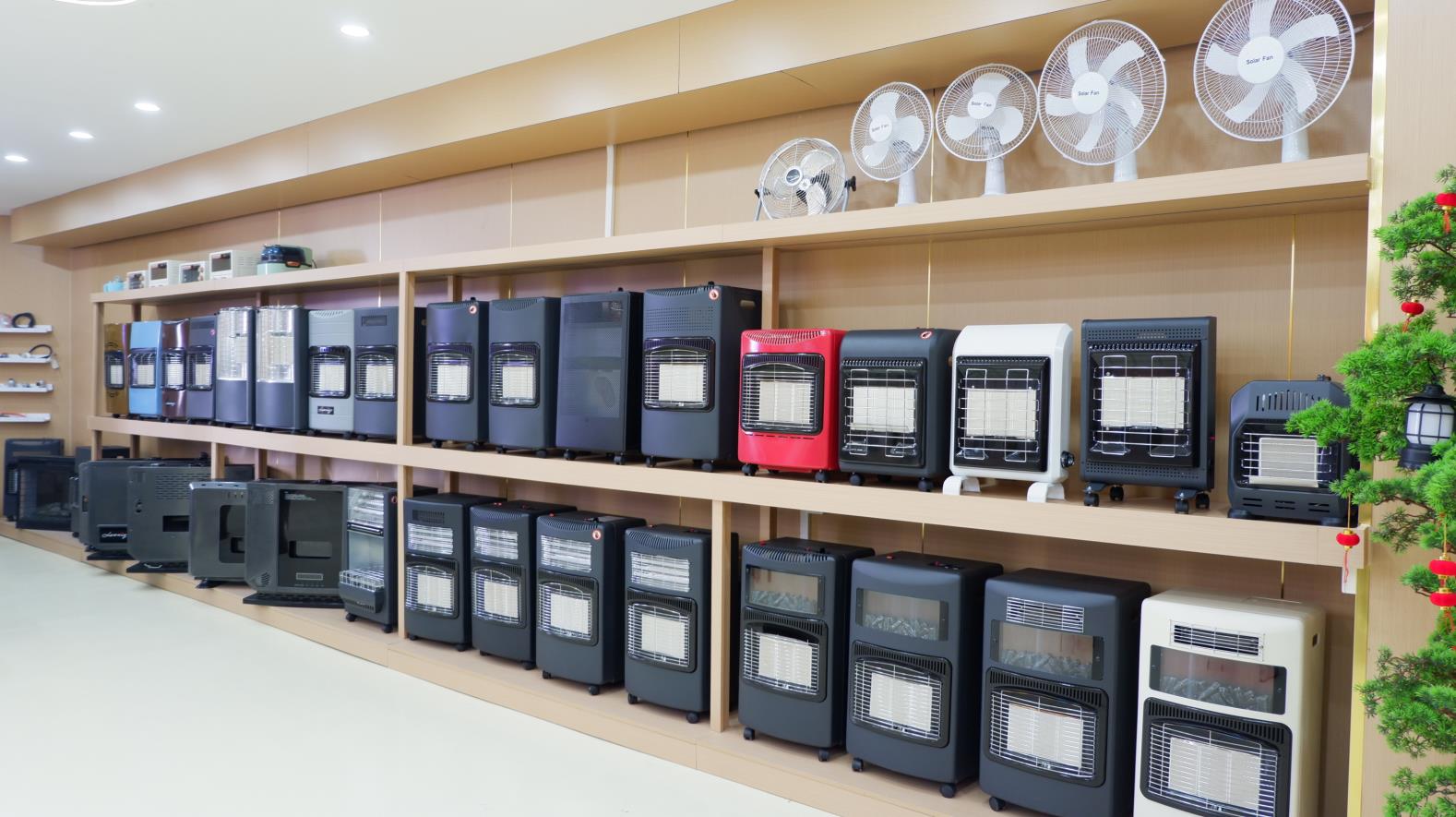
- Udbud af forskellige effektniveauer. Små bærbare enheder til baggårdsflokke og større enheder til kommercielle oppasserhuse dækker hele markedet fra én leverandør.
- Bekræft gaskonfigurationen pr. marked. LPG versus naturgas er det første spørgsmål, en landbrugs-køber stiller — vær forberedt med svaret for dine modeller.
- Opbevar reservedele. Gasventiler, tændanordninger og keramiske plader er sliddele. Hurtig levering af reservedele er, hvordan landbrugsdistributører har holdt kontoer i årtier.
- Giv skriftlig vejledning om ventilation. Et simpelt installationsark med oplysninger om fri rum og ventilation beskytter dine kunder og din omdømme.
- Bekræft certifikatdokumenter. Anmod om certifikatet for netop dine modelnumre og gastyper, inden du fastlægger containerens volumen.
Ofte stillede spørgsmål
Q1: Hvorfor er infrarøde gasvarmere bedre til kyllinger end elektriske varmere?
Infrarøde gasvarmere levererer strålingsvarme direkte til kyllingerne til en lavere brændstofomkostning end elektrisk opvarmning i de fleste markeder, og de fortsætter med at fungere under strømafbrydelser. Varmen rettes mod fuglene i stedet for at opvarme hele bygningen, hvilket reducerer spild i ventilerede opdrætsstalde.
Q2: Hvilken størrelse varmer kræver en opdrætsstald?
Størrelsen afhænger af husets dimensioner, isolering og kyllingetæthed. Kommercielle producenter installerer typisk flere enheder fordelt over huset i stedet for én stor varmeproducerende enhed. Din leverandør bør levere en vejledning til dimensionering baseret på varmeydelse og dækning.
Q3: Kan infrarøde gasvarmeapparater bruge naturgas?
Ja – de fleste modeller er tilgængelige i både LPG- og naturgasudgaver. Bekræft gastype, tryk og regulatorkravene for dit marked, inden du bestiller.
Q4: Er gasvarmeapparater sikre i et støvfyldt fjerkræhus?
Ja – når de er korrekt certificerede, placerede og ventilerede. Søg efter flammesikring, beskyttede strålingsflader og installationsvejledning, der omfatter afstandskrav fra litter og sengebund. Regelmæssig rengøring af enheden og dens beskyttelsesnet er en del af den almindelige landbrugsvedligeholdelse.
Q5: Hvor længe holder infrarøde gasopvarmningsapparater til kyllinge?
Kvalitetsenheder med korrosionsbestandig konstruktion har typisk en levetid på 8–12 år under landbrugsforhold. De slidte dele – keramiske plader, tændkomponenter og gasventiler – er udskiftelige servicedele.
Q6: Hvilken certificering kræves for eksport af gasvarmere til brug i fjerkræavl?
Samme ramme som for andre gasapparater: CE/UKCA til Europa, CSA eller tilsvarende til Nordamerika, AGA til Australien – justeret til gasarten og trykket i det modtagende marked. Anmod om certifikatet for din præcise model.
Q7: Bruger fjerkrægårde disse varmere også til andet kvæg?
Infrarød gasopvarmning anvendes også til grisefødsel og opdræt af andre ungt dyr, hvor direkte varme er nødvendig. Samme produktlogik – strålingsvarme, lav driftsomkostning, uafhængighed af elnettet – gælder på tværs af arter.
Konklusion
Infrarød gasopvarmning er den dominerende teknologi til kyllingeforædling, fordi den passer perfekt til biologien: Unge kyllinger har brug for direkte varme, landbrug har brug for lave driftsomkostninger, og vinterperioder kræver pålidelighed. For landbrugsgrossister tilbyder denne kategori stabil gentagende efterspørgsel, en tydelig teknisk fortælling og stærk kundeloyalitet, når udstyret og reservedele er rigtige.
Hvis du leverer landbrugsopvarmning og ønsker at tilføje certificerede infrarøde gasopvarmere – både mobile og kommercielle forædlingsmodeller i LPG- eller naturgasudgaver med OEM-muligheder – så kontakt vores team for specifikationer og grossistvilkår.