EN
EN


Conas Inneallóirí Infradheargáin Éifeachtacha a Roghnaíodh do Ghnó
Tá sé de dhíth ar mheas cúramach ar éifeachtúlacht, ar chostais oibriúcháin agus ar shonraí oibre le haghaidh tairiscint teasa cheart a roghnú don timpeallacht ghairmiúil. Leachtóirí infradhearg tá siad tar éis éirí mar rogha is fearr do úsáid cheannachta agus tionsclaíochta mar gheall ar a mbealach díreach le teasa a sholáthar, ar a héifeachtúlacht fuinnimh, agus ar a gcumas teasa a sholáthar go dtí an áit a bhfuil sé de dhíth. In ionad córas teaschur traidisiúnta a theasraíonn an aer, tá teaschuir infhearcra iompraíonn fuinneamh radaitheach a theasraíonn oibiachtanna agus daoine go díreach, rud a fheabhsaíonn an teasa go tapa, a laghdaíonn caillteanas fuinnimh, agus a laghdaíonn costais oibriúcháin. Don bhrabús a bhfuil an t-éileamh air teasa a mheas, tá sé riachtanach a thuiscint conas teaschuir infhearcra éifeachtacha a roghnú, agus i gceist sin anailís a dhéanamh ar riachtanais an spás, ar chumasc teasa, ar chineál an fhuinnimh, ar shaincheartú na n-instealálach, agus ar chúrsaí costais fadtéarmach.
Níl an próiseas cinnteacha maidir le hairm teasa trádála ná níos mó ná ceannach aonaid le cumhacht shuíomhach. Ní mór go mbeidh teasóirí infradhearg éifeachtacha in oiriúint le riachtanais thearmacha do thionscadal, le haimsir oibriúcháin agus le srianta ar an mbuget. Tá fachtóirí cosúil le airde na gcroíoch, calaíocht an insiléir, teamhracht timpeallach riachtanach, agus nádúr na ngníomhartha oibre ag teacht i gcion ar an gceart chineál teicneolaíochta teasa infradhearg a thugann na torthaí is fearr. Tabhraíonn an treoir iomlán seo isteach ar na critéir thábhachtacha le haghaidh meastar agus roghnú teasóirí infradhearg a mhéadaíonn éifeachtúlacht an fhuinnimh, a chinntíonn comfhoirne do lucht oibre, agus a chuireann leis an mbuachan i do ghnó trí chostais teasa a laghdú agus feabhas a chur ar pherformance oibriúcháin.
Tuiscint ar Thaicneolaíocht Teasa Infradhearg do Fheidhmeanna Trádála
Conas a Difríonn Teasa Infradhearg ó Chórais Choitianta
Oibríonn teasóirí infradhearg ar phrionsabal a dhifríonn go bunúsach ó chóras teasa aeir churtha i gcrích. In áit teas a thabhairt don aeir agus brath a dhéanamh ar reoiteanna conbhéime chun teas a scaipeadh ar fud an spáis, cuireann teasóirí infradhearg radharc leictreomhagnaidiúil sa speictream infradhearg amach atá in ann dul tríd an aeir gan é a theasú. Iarrann an fuinneamh radharcach seo ar réadanna solida, ar lár na seomra, ar na ballaí, agus ar dhaoine, agus a thiontú go teas nuair a chaithtear é. teagmháil tugann an modh teasú direach seo deireadh le caillteáin fuinnimh a bhaineann le teasú tomhais mór aeir, go háirithe i dtionscnaimh le ceannfhoirne ard, le oscailtí doirse minic, nó le insioláil dócha. Don ghnó, tá sé sin mar gheall ar tháscairt teochta níos tapúla, ar theas níos cothrom ag airde an obair, agus ar shábháil mór fuinnimh.
Tugann an t-ábhar leathnaithe i gcothrom na huaire ar theachóirí infradhearg a bheith go háirithe éifeachtach i socruithe tionsclaíocha agus trádála ina bhfuil an teas traidisiúnta ag iarraidh. Tugann tionscnaimh, áiseanna monaraithe, siopaí reparaigh carranna, agus spásanna oibre amuigh tairbhe mhór ó theachóirí radainte mar gheall ar an mbealach a mbíonn an teas ag teacht go díreach ar oibrithe agus ar thaisce, seachas ag éirí suas go dtí an ceiling. Déanann an gné seo den theachóireacht infradhearg an cineál seo de theachóirí go háirithe luachmhar do straitéisí teachóireachta ionadacha, áit a d’fhéadfadh gnóithe a bheith ag coimeád teochtaí sásta sa cheantar ina bhfuil daoine ann agus a ligean do cheantair nach bhfuil daoine iontu fanacht níos fuara. Is é tuiscint ar an difríocht oibriúcháin seo an chéad chéim i dtuiscint ar fhorordhearcadh an teicneolaíochta infradhearg maidir le heifeachtúlacht i go leor úsáid gnó den teachóireacht.
Cineálacha Teachóirí Infradhearg agus Aonmhaireacht dóibh don Ghnó
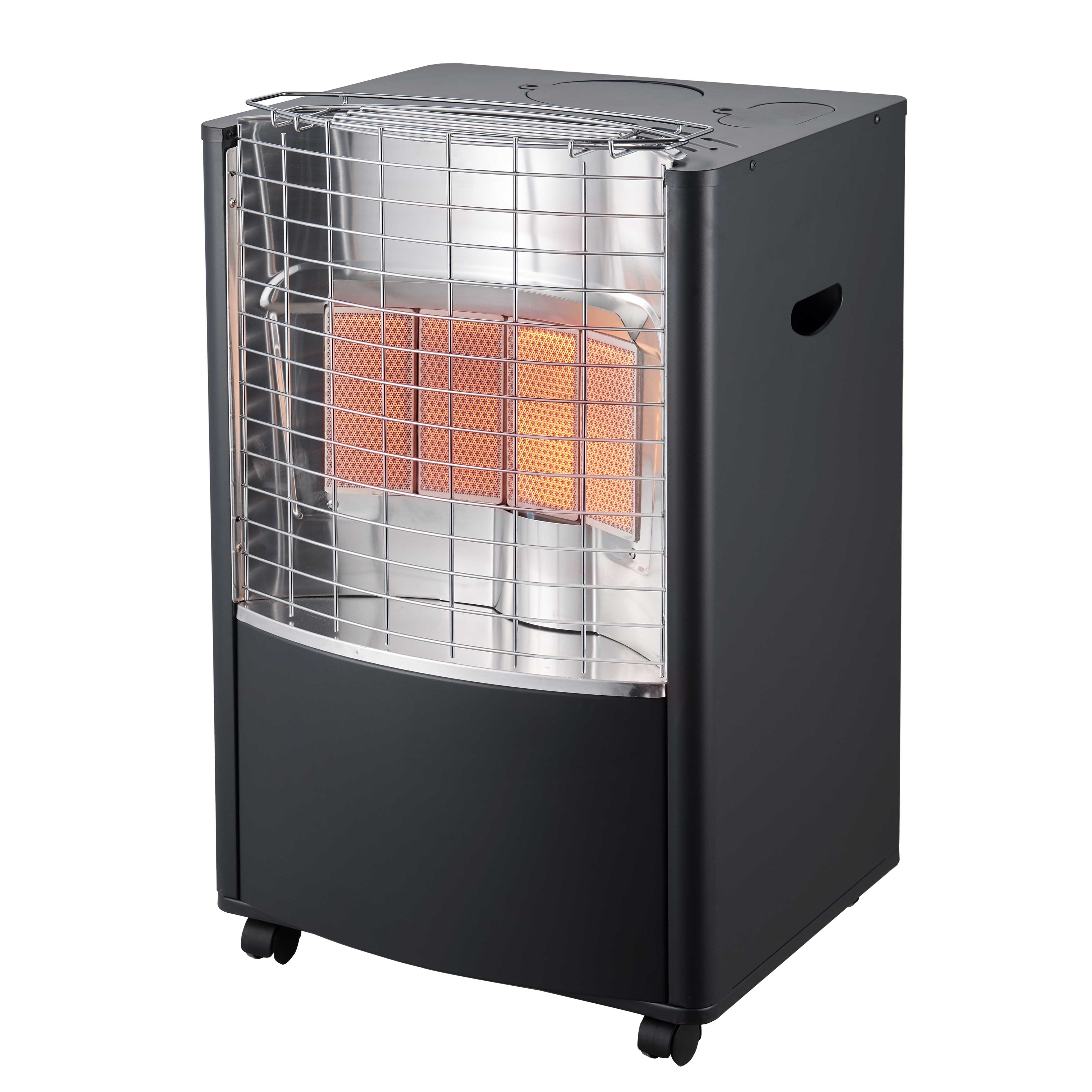
Is féidir le gnóithe roghnú ó roinnt cineálacha teasóirí infradhearg, agus gach ceann acu le gnéithe aonair a chuireann an oiread is oiriúnach air le haghaidh timpeallachtaí oibre éagsúla. Tugann teasóirí infradhearg leictreacha oibriú glan, ciúin le riachtanais íseal maidir le cothabháil, agus is iad seo an rogha is fearr do spásanna istigh ina bhfuil an cháilíocht aer ar cheann de na príomhriachtanai, mar shampla bialanna, siopaí beannaithe agus limistéir chumasaíochta. Tugann teasóirí infradhearg atá bunaithe ar ghás nádúrtha nó ar phróipán teicheadh níos airde agus costais oibriúcháin ísle, agus is iad seo an rogha is fearr do thionscadail móra, do limistéir oibre amuigh agus do úsáidí a dteastaíonn teicheadh mór. Tugann teasóirí infradhearg atá bunaithe ar ola portáilte agus neamhspleáchas ó nascanna leis an gceannaireacht, agus freastalaíonn siad go maith ar shuíomhanna tógála agus ar áiteanna oibre sealadacha.
I measc na gcineál seo a dhíolra, roinntear teasóir infhearc-dhearg ar aghaidh i mbailiúcháin íseal-inteansachta agus bailiúcháin ard-inteansachta. Oibríonn teasóirí infhearc-dhearg íseal-inteansachta ag teochtaí is ísle ar an uachtar agus scaipeann siad teocht níos cothrom ar cheartchearta móra, rud a fhágann go bhfuil siad oiriúnach do shpásanna ina bhfuil teocht thimpeallach cothrom de dhíth, mar shampla, taighdeanna agus ionaid dáileadh. Díríonn teasóirí infhearc-dhearg ard-inteansachta an t-aschur teochta isteach i réigiúin dírithe, ag soláthar teocht áirithe láidir do úsáid i dtreo theasaithe áirithe, ar phaircanna amuigh, ar dhroichid luchta, agus ar shuíomhanna oibre ina bhfuil smacht cruinn ar théocht de dhíth. Bíonn an rogha idir na roghanna seo ag brath ar chineálacha spásacha do thionscadal, ar chuspóirí teochta, agus ar riachtanais oibriúcha. Caithfidh gnóthaí measúnú a dhéanamh ar an gcomhábhar is fearr de chineál an fhuinnimh agus leibhéal an inteansachta a bhriseann leis an gcaoi speisialta a bhfuil teocht de dhíth agus le cuspóirí an éifeachtais.
Ríomh Riachtanais Teochta agus Riachtanais Cumais
Bunú Riachtanais an BTU agus an Wata
Tá ríomh cruinn ar riachtanais teasa do thionscadal i bhunús an rogha a dhéanamh ar theasaithe infradhearg a bheidh éifeachtach, nach mbeidh ró-ghníomhach ná a chur isteach i mbacanna fuinnimh trí ró-mhéadú. Tá an cumas teasa atá de dhíth ag brath ar roinnt athróg: an fad ceart i gcearnóga an spás, airde na gcrochán, calaíocht an insiléir, an méid a bhfuil uasaghadh teochta de dhíth agat, agus na coinníollacha aeráide áitiúla. Molann treoir ghinearálta go dtiubhann spásanna le fo-insiléireacht go dtí 10 wata in gcearnóg, maidir le teasaithe infradhearg leictreacha, agus d’fhéadfadh tionscadail gan insiléireacht go maith a bheith ag teastáil 15 wata nó níos mó in gcearnóg. I gcás teasaithe infradhearg a oibríonn le gás, tomhaistear an cumas i BTUs in aon uair, agus is minic a mholtaítear idir 20,000 agus 40,000 BTU in aon uair in gcearnóga 1,000, le haghaidh cur síos ar insiléireacht agus ar an difríocht i dtéamaíocht.
Fíor, is pointí tosaithe iad na cálculaíochtaí bunúsacha seo seachas freagraí dearfacha. Tá sé de dhíth ar thionscadail le airde an tseilí os cionn 3.66 méadar (12 troigh) a chur in iúl faoi bhrú breise chun cothrom a chur ar strataitheacht teasa ingearach, fiú agus is lú an tionchar atá aige seo ar theasairc an-ghorm i gcomparáid le córasanna comhsholáthair. Is mó an caillteanas teasa atá ag foirgnimh le sreabhadh minic ar dhorais, le go leor fhuinneog nó le insioláideachas neamhchothrom, agus mar sin tá brú níos mó de dhíth ar na teasóirí. Ar an taobh eile, d’fhéadfadh spásanna le gairid teasa suntasach ó mhaisíní, ó phróisis nó ó thiomantas dlúth a bheith ag teastáil as teas breise níos lú. Ba cheart do ghnóthaibh anailís teasa iomlán a dhéanamh, ag tabhairt faoi deara gach fhachtóir a bhaineann le gainnte agus le caillteanas teasa, chun an brú cruinn a chinneadh. Tugann an t-am a chaitheann tú ar chálculaíochtaí cruinn a chinneadh go roghnóidh tú teasóirí an-ghorm a sheolann teasa leis an méid oiriúnach gan úsáid mórshaothair nó costais oibríochta.
Tabhair faoi deara Cumraíocht Spásúil agus Airde an tSeilí
Tá an tarrtháil fhisiciúil ar do thionscadal gnó ag cur i bhfeidhm mór ar rogha agus ar straitéis leagtha na ngearrthóirí infhearghorm. Ceadaíonn pláiní ollmhóra oscailte gan bacadh beag patrúin leathnaithe teplaí, a chiallaíonn níos lú gearrthóirí le uillinní covairí níos leithne. Tá sé gá le leagadh níos straitéiseach na ngearrthóirí i dtionscadail le hacharanna roinnte, le rácanna stórála, nó le hairm a chruthaíonn bacanna fisiciúla chun a chinntiú go mbainfidh an fuinneamh giorrach as gach ionad ina bhfuil daoine ann. Tá airde an tseilí go háirithe ag cur i bhfeidhm ar éifeachtacht na dtiontaithe teplaí infhearghorm éagsúla. Is féidir le spásanna le sealanna idir 8 agus 15 troigh a úsáid gearrthóirí infhearghorm caighdeánach le leagan amach ar an seilí go héifeachtach, agus tá leas ag tionscadail a bhfuil sealanna níos airde ná 20 troigh ó ghréasán modhanna ard-inteansach a thugann fuinneamh giorrach thar dhistantais níos mó le cailleadh íseal scatála.
Nuair a mheastar na riachtanais spásúla, caithfidh na gnóitheanna freisin smaoineamh ar phatrúin shcríobh teplaí na dtiontaithe teplaí éagsúla leachtóirí infradhearg tá roinnt samplacha in ann teocht a eisítear i gceannraí caol, dírithe a bheidh oiriúnach do theaschóiriú fócaithe, agus tá ceannraí eile ann a sholáthraíonn radáil le leathnú leathan a chlúdaíonn limistéir leathan. Tá an airde ar a bhfuil an t-iascra suiteáilte i ndíreach ag tiontú ar an limistéar clúdaithe, mar go mbunúnaíonn suíomhanna airde níos airde ciorcail níos mó clúdaithe ach b’fhéidir go mbeadh an intinníocht laghdaithe ag leibhéal an talaimh. Ba chóir do ghnólachtaí atá ag obair i bhfoirgnimh le ceilingí an-ard, mar shampla i hangáirí aerach nó i bplandáin mhóra monaraithe, go dtugtar tosaíocht do theaschóirí infradhearg a dhearbhaíodh go sonrach do na feidhmeanna seo, agus a bhfuil dearadh leathnaithe leathnaithe acu agus cumais aschuir níos airde. De réir mar a mheaitheann carachtair an theaschóra le comhréir an áite, cinntítear an confort is fearr agus an éifeachtúlacht is fearr.
Measúnú an Éifeachta Energeach agus na Costais Oibriúcháin
Comparáil idir Cineálacha Fuinnimh agus Rátáiltean Éifeachta Energeach
Tá an rogha idir teasóirí infradhearg leictreacha, gás nádúrtha, próipán nó ola ar a dtugtar tionchar mór ar an n-ionspiorád tosaigh agus ar na costais oibriúcháin fhadtéarmach. Tiontaíonn teasóirí infradhearg leictreacha beagnach 100% den eergi a chonsumraítear go teasa radaitheach, rud a léiríonn éifeachtúlacht thiontaithe iomlán, cé go mbíonn an t-iasc in aghaidh an kilowatt-uair de leictreachas go minic níos airde ná an t-iasc coibhneasta de ghás nádúrtha nó próipán ar bhonn BTU. Bhíonn éifeachtúlacht dóiteáin teasóirí infradhearg gás nádúrtha de ghnáth idir 80% agus 95%, ag tairiscint costais oibriúcháin ísle nuair a bhíonn bunaitheacht gás nádúrtha ann. Soláthraíonn teasóirí infradhearg próipán leibhéil éifeachtúlachta cosúil leis seo le neart níos mó sa mhéid a úsáidtear mar nach bhfuil nascanna údaráis riachtanach acu, cé go mbíonn an t-iasc in aghaidh an BTU de pháipán go minic níos airde ná an t-iasc in aghaidh an BTU de ghás nádúrtha.
Chun comparáidí éifeachtúla a dhéanamh, caithfidh gnóthaí an costas iomlán teasa a sholáthraítear a ríomh, seachas díriú ar rátálacha éifeachtachais an oiriúnaithe amháin. I gceart an ríomh seo an costas áitiúil in aghaidh an aonaid gach cineál fuinnimh, an rátáil éifeachtachais an teasóra, agus an iomlán BTUs atá riachtanach do do úsáid. Mar shampla, d’fhéadfadh teasóir infradhearg leictreach a bheith ag costáil $0,15 in aghaidh na 100,000 BTU a sholáthraítear bunaithe ar rátaí leictreachais áitiúla, agus d’fhéadfadh aonad gás nádúrtha 90% éifeachtach an teasa céanna a sholáthar ar $0,08, rud a léiríonn sábháilteachta mór thar thréimhse teasa. Ina theannta sin, ba cheart do ghnóthaí an costas iarratais a chur san áireamh do sheirbhís leictreachais, na comhaontuithe íoschostais do sheirbhís gáis, agus logaistíocht soláthair próipán nuair a chuireann siad roghanna fuinnimh i gcomparáid. Is iad na teasóirí is éifeachtaí infradhearg do do ghnó iad a laghdaíonn an costas oibriúcháin iomlán agus a chomhlíonann riachtanais an pherformance, ní neart an rátálaithe is airde éifeachtachais.
Tuiscint ar Iarmhairtí Fadtéarmiúla an Chostais agus ar an ROI
Tá sé de dhíth ar análais a dhéanamh ar an iomlán costas úsáide mar gheall ar roghnú leathair theaschóiriúcháin éifeachtúla, seachas comparáid a dhéanamh ar phraghsanna ceannach amháin. Tugann leathair theaschóiriúcháin infradheargacha ar airde le comhpháirteanna, le tógáil agus le rátaí éifeachta is fearr praghbhás breise orthu ach tugann siad costais oibriúcháin ísle, saol seirbhíse faoi mhéid níos faide, agus riachtanais níos lú maidir le húsáid. Ba cheart do ghnóthaibh an tréimhse athsholáthair a ríomh trí an t-ionscéal tosaigh breise a chur i gcomparáid le sábháilteachtaí bhliantúla an t-éinrgi a bheith ag súil leo. I go leor cásanna, cuireann leathair theaschóiriúcháin infradheargacha ar airde a gcostas breise ar ais laistigh de dhá nó ceithre shéasúr teasa trí úsáid níos lú fuinnimh, agus mar sin is rogha is fearr i dtreo airgeadais iad, cé go bhfuil ionchais tosaigh níos airde acu.
Thar a bheith ag sábháil fuinnimh go díreach, cuireann teasóirí infradhearg éifeachtacha le laghdú ar chostais oibriúcháin trí fheabhsú ar an gcumais agus ar an dtuiscint. Taispeánann oibrithe i dtimpeallachtaí a bhfuil teas acu go maith airde níos airde i dtuiscint, laghdú ar an ngabháil uilig, agus níos lú earráidí a bhaineann le fuaradh. Tugann an cumas le teasóirí infradhearg teacht ar an teasa láithreach deireadh le tréimhsí réamhteasa a éilítear ó chórais conveicsean, ag ligean do ghnóthaibh teasa a chur ar fáil nuair a theastaíonn sé in áit teasa a choinneáil go leanúnach, rud atá an-tábhachtach go háirithe do thionscadail le patrúin eachtrachta idir-theangacha. Ina theannta sin, níl ach beagán tuirseanna riachtanach le teasóirí infradhearg agus níl aon dháileadh aeir fhorcéadta riachtanach, rud a laghdaíonn costais an t-ullmhúcháin a bhaineann le hathrú na mbacainn, le glanadh na ndtuirseanna, agus le repairtheanna an mhothair ghluaiseach. Nuair a mheastar éifeachtúlacht, ba cheart do ghnóthaibh an-tacaíocht seo a úsáid mar chuid den mheas ar an bhfíor-thorthaí ar an mbunús.
Roghnaíocht na mbealaí suiteála agus na gcóras rialaithe
Roghanna socraithe agus straitéisí cur i láthair
Tairgeann teasóirí infradhearg roghanna suiteála soléire a bheidh oiriúnach do thimpeallachtaí gnó éagsúla. Is é an t-arráid is coitianta le haghaidh suiteálacha seasmhacha ná teasóirí infradhearg atá suiteáilte ar an mbord, ag cur na dteasóirí os cionn chun an spás urlár a mhéadú agus an teas a dháileadh síos i dtreo na réigiún ina bhfuil daoine ann. Oiriúnann an t-arráid seo go han-mhaith do stóráin, áiseanna monaraithe agus spásanna a d’úsáideann an margadh nuair a bhíonn airde oiriúnach ar an mbord. Úsáidtear teasóirí infradhearg atá suiteáilte ar an mballa le haghaidh cásanna ina bhfuil an suiteáil ar an mbord neamhchothrom nó ina bhfuil teasa treoshuasach riachtanach i dtreo réigiún oibre sonrach, mar shampla ag ceantar lucht aistriú, ar phaircíní amuigh nó ag stáisiúin ailtireachta. Soláthraíonn teasóirí infradhearg saor in aisce a úsáidtear go dtí an áit a theastaíonn uathu mórbhreis don teasa sealadach, le haghaidh feidhmeanna sésúra nó do ghnóthaí a d’iarrann sé comhshó a thabhairt don chumhacht teasa nuair a athraíonn struchtúr an oibre.
Tá an áit a leagtar na teasóirí infradhearg go straitéiseach ag tiontú mór ar éifeachtacht agus ar shuíomh. Ba cheart na teasóirí a shuiteáil chun an fuinneacht ghiorrach a threorú i dtreo na n-áiteanna ina bhfuil daoine, na dtáblaí oibre, agus na réigiún taistil seachas áiteanna nach bhfuil in úsáid, na ballaí seachtracha, nó na háiteanna os cionn. Tá buntáiste ag gnóthaí le réigiún oibre sainithe ó leagan amach spriocshonraithe na n-teasóirí a choimeádann suíomh sa réigiún gníomhach agus a ligann do na háiteanna taobh amuigh fanacht níos fuaire, rud a mhéadaíonn éifeachtúlacht an fhuinnimh. Nuair a leagtar iliomad teasóirí infradhearg, cinntíonn patrúin chlúdaithe a bheith ag croisteacht le chéile teocht uathu gan áiteanna fuar, ach tá caillteanas fuinnimh ann má thagann an croisteacht ró-mhór. Cabhraíonn léamh gairmiúil ar an teasa, trí mhodhailí bogearraí nó íomhánna infradhearg de shuiteálacha atá ann cheana féin, le gnóthaí an teasóirí a leagan amach go hiarrtháin chun éifeachtacht is fearr agus suíomh a bhaint as.
Cleachtadh Rialuithe Cliste agus Córas Réigiún
Cuirtear an éifeachtacht a bhaintear as teasóirí infradhearg go mór le córais smachta casta a chuireann in iúl rialú cruinne teochta, oibriú bunaithe ar an úsáid, agus cícleanna teasaithe a bhíonn réamhshocraithe. Ceadaíonn teirmistéití clártha a úsáidtear le haghaidh rialú teochta do ghnóthaí socruithe teochta éagsúla don laethanta, ag laghdú go huathoibríoch an t-iasc inti i tréimhsí nach bhfuil an spás in úsáid agus ag cinnti coinníollacha áisiúla nuair a thagann na hoibrithe. Díolann scannáin úsáide an láthair an t-aicearra agus cuireann siad teasóirí infradhearg i ngníomh ach amháin nuair a bhíonn na spásanna in úsáid, ag cur deireadh le caithimh fuinnimh i dtreimhsí ina mbíonn an spás in úsáid go hearráideach mar shampla seomraí comhrá, limistéir scoir, nó zonanna oibre speisialta. Cuirtear ar fáil monatóireacht agus smacht ó afar i gcórais teasa a chuireann ar fáil do bainistí ar shuíomhanna go bhféadfaidís oibriú teasa a athrú ó ionaid lár nó ó ghléasanna móibíle, ag freagairt go tapa ar athruithe i gcoinníollacha gan riachtanais le hathruithe láimhseála ar an teirmistéit i ngach suíomh teasa.
Roinnann sísteamanna zóna na séalaí i dtreoracha teas aonair a rialaítear go neamhspleách bunaithe ar riachtanais shonracha, patrúin an bheith ann agus riachtanais teasa. D’fhéadfadh séalaí tháirgealaí a choinneáil ag teocht airde i limistéir an chumasaigh agus iad ag ligean le limistéir stórála a bheith níos fuara. D’fhéadfadh gnóthaí a díolann do ghailearaí an t-áit a bhfuil na custaiméirí ann a chur san áireamh mar chéad réimse agus an teas a laghdú i limistéir an oifige chúl agus i limistéirí an stórála. Cuirtear an droch-éifeachtacht coitianta a bhaineann le teas a thabhairt don fhoirgneamh iomlán chun freastal ar riachtanais an limistéir teo is mó as feidhm le rialú iolrach-zóna le teasóirí infradheargaidh ar scoth, ag tabhairt an téamh oiriúnach do gach zóna. Nuair a roghnaíonn gnóthaí teasóirí infradheargaidh do úsáid ghníomhach, ba cheart dóibh comhoiriúnacht le córais rialaithe casta a mheas agus a chinntiú go dtacaíonn an t-infrastrucht leis an gcruthú ar straitéisí teas intleachtúla a mhéadaíonn an éifeachtacht agus a laghdaíonn an caochadh oibriúcháin.
Achin Slándáil, Comhlíonadh agus Riachtanais Cothabhála
Mecanaisc Sláinte agus Comhlíonacht Rialaithe
Ní mór do shuiteáil ghnó na ngearrthachanna infradhearg comhlíonadh leis na caighdeáin slándála, leis na códanna foirgnimh, agus leis na riailí rialúcháin a rialaíonn oiriúnacht an t-uisce te i dtionsclaíochtaí. Ní mór do ghearrthachanna infradhearg a oibríonn ar ghas bheith ceangailte le córas fóntais chun na táirgí coiscithe a ascaint go sábháilte, agus is féidir na samplaí gan fhoirgneamh a úsáid ach amháin i spásanna go maith a bhfuil aer ag sreabhadh iontu agus a chomhlíonann na riailí sonracha maidir le malartú aer. Ní mór do ghearrthachanna infradhearg leictreach a shuiteáil de réir na gcaighdeáin a leagtar amach sa Chód Náisiúnta Leictreachais, le cosaint chiorcuit oiriúnach, le ceangal don talamh, agus le spásanna soiléire ó mhíreanna ina dtugtar tine. Ba chóir do ghnóthaibh dearbhú go bhfuil an t-uirlis infradhearg a roghnaíodar diobh féin cáipéisí dheimhniúta ó eagraíochtaí tástála aitheanta mar Underwriters Laboratories, an Canadian Standards Association, nó údaráis comhionann, ag léiriú go bhfuil an t-uirlis comhiomlán le caighdeáin slándála agus feidhmíochta.
Is iad na fánaíochtaí suiteála an ghné is tábhachtaí maidir le sábháilteacht, a d’fhéadfadh a bheith ar iarraidh go minic le linn roghnú teasóirí. Sainíonn na monaraithe an fhanamh is lú idir teasóirí infhearcach agus ábhair dhóite, struchtúir thógála, agus ionadanna ina bhfuil daoine ann chun mearcaí dóiteáin a sheachaint agus teimpléid shuíomhacha sábháilte a chinntiú. Tá fánaíochtaí níos mó de dhíth ar theasóirí infhearcach ardghníomhach mar gheall ar na teimpléid uasta ar a ndromchla agus ar a dtorthaí radhaithe dírithe. Caithfidh gnóthaí cinntiú go bhfuil fánaíochtaí oiriúnacha ann sula roghnaítear modhanna teasóirí ar leith, mar fhéadfadh fánamh neamhoiriúnach an ghníomh seo a athrú nó modhnuithe costasaí ar an áit a bheith de dhíth. Ina theannta sin, tá riachtanais rialála breise ann do shuiteálacha i gcuid de na háiteanna ina bhfuil daoine, mar shampla iad a dtugtar áiteanna contúirteacha orthu, iad a dtugtar áiteanna ullmhúcháin bia orthu, nó iad a dtugtar áiteanna sláinte orthu, agus is iad seo a thagann i mbun roghnú teasóirí agus modhanna a shuiteála.
Riachtanais Cothabhála agus Inrochtaineacht Seirbhíse
Tugann cineálacha éagsúla de theaschóirí infhearcra na dtíortha éagsúla iarrachtaí ar choinneáil a bhfuil gá acu, agus is gá le gnóthaí an méid seo a mheas nuair a mheasann siad éifeachtúlacht oibriúcháin fhadtéarmach. De ghnáth, níl ach beagán coinniollaithe de dhíth ar theaschóirí infhearcra leictreach, agus is é an t-aon rud atá de dhíth go príomha ná glanadh tréimhseach na dtonnghlasanna fhrithsholais agus na gcuid teasa chun éifeachtúlacht radhaithe is fearr a chaomhnú. Tá coinniollaithe níos cuingí de dhíth ar theaschóirí infhearcra a oibríonn le gás, lena n-áirítear inspéacsain bliantúla ar chóras an dóiteáin, glanadh na ndóitíní, tástáil ar chóras an t-ionsaithe agus dearbhú ar chóras an t-athsholáthair chun oibriú sláintiúil agus éifeachtúil a chinntiú. Ba cheart do ghnóthaí an méid seo a chur san áireamh i gcalcúil an costais iomláine de thionchar, mar gheall ar an bhfianaise go bhfuil costais seirbhis leanúnacha airde ag roinnt cineálacha teaschóirí fiú má tá costais fuinnimh ísle acu.
Tá rochtain ar an tseirbhís ag cur isteach go mór ar chostais an t-ullmhúcháin agus ar leanúint na hoibríochta. D’fhéadfadh teasóirí infradhearg a bhíonn suite i dtreoimh arda nó i dtreoimh atá deacair le heagrú, tacú le hairm shuntasach nó le seirbhís gairmiúil chun ullmhúchán rialta a dhéanamh, costais an tseirbhíse a mhéadú agus d’fhéadfadh an turgnamh a fheabhsú. Tugann teasóirí a bhíonn leaganacha modúlaí acu, panaileanna seirbhíse atá rochtanach agus comhpháirteanna a sheirbhísíonn an úsáideoir féin an cumas do thionscnamh in-house a dhéanamh, ag laghdú costais agus ag laghdú moill sa tseirbhís. Nuair a roghnaíonn gnóithe teasóirí infradhearg, ba cheart go n-évaluateoir siad an rochtain ar pháirteanna ionadaithe, ar cháilíocht an tacaíochta ón gcurtógóir agus ar chumas soláthraitheoirí seirbhíse áitiúla. Tugann na modhail ó churtaigh nó gcurtógóirí bunaithe le líonra páirteanna cuimsitheach agus tacaíocht teicniúil fhreagairteach luach níos mó i dtreoimh fadtéarmach ná teasóirí a cheannaítear ar bheaglach a bhíonn deacair le seirbhís nó le páirteanna a fháil orthu le linn tréimhsí teasa criticiúla.
Ceisteanna Coitianta
Cá fhad is féidir le teasóirí comharchumhachta infradhearg a oibriú i dtreoimh thráchtála?
De ghnáth, tugann teasóirí infhearamhacha tráchtála 15 go 25 bliain de sheirbhís oiriúnach nuair a chaithtear an cúram ceart orthu, agus is minic a thagann na samplaí leictreacha thar an raon seo mar gur féidir leis an bhfíor-ghluaiseacht bheith níos lú. Is iad teasóirí infhearamhacha a oibríonn le gás a éilíonn cúram níos minice, ach is féidir leo an t-aois chéanna a bhaint amach le cúram oiriúnach. Tagann an t-aois fíorúil ar cháilíocht an insteallaithe, ar an dtionchar oibre, ar chonsantacht an chúraim agus ar na coinníollacha timpeallachta. Tugann teasóirí infhearamhacha ardfheidhmeacha le tógáil láidir agus comhpháirteanna ardfheidhmeacha a mhaolú ar a gcost is tosaíochta trí fhadtéarmachas an tseirbhíse agus trí laghdú ar an bhfreastal ar athsholáthar i gcomparáid le samplaí eacnamaíocha.
An féidir le teasóirí infhearamhacha teasa a sholáthar go héifeachtach do spásanna gnó amuigh?
Tá fírinn: tá teasóirí infradhearg an-éifeachtach ag teagmháil le spásanna gnó amuigh agus leathchluinnte toisc go dtugann a n-énergi radiaíochta teasa díreach do dhaoine agus do réada seachas iarracht teasa a thabhairt don aer, a scaipeann go tapa i dtimpeallachtaí oscailte. Tairgíonn teasóirí infradhearg torthaí suntasacha do phaircanna amuigh, do dhroichead luchtaithe, do shuíomhanna tógála, agus do shuíomhanna oibre amuigh. Soláthraíonn teasóirí infradhearg ard-inteansachta a dheantaítear do úsáid amuigh teasa fócsaite i gceantar sonrach, ag ligean do ghnóthaibh coinníocht chomhfhreastalaíochta nó leathnú ar thréimhse suíocháin na gcustaiméirí fiú i dtimpeallachtaí fuar. Cinntíonn rogha cheart teasóra, a áit a chur ann, agus modhanna a bhfuil cosaint in aghaidh na haimsire orthu feidhmíocht éifeachtach teasa amuigh.
Conas a chuireann teasóirí infradhearg i gcomparáid le teasa forcéad-aeir do bhardaí?
Tá teasóirí infradheargra a oibríonn go mór níos fearr ná córais aer-ghhortaithe i dtionscnaimh maghairn mar gheall ar roinnt buntáin inbhéarta. In áit an teasa aer-ghhortaithe a éiríonn suas go dtí an tseomra i dtionscnaimh ard-bhá, tá an fuinneacht ghloineach infradheargra ag taisteal go díreach go dtí leibhéal an urláir, áit a bhfuil na hoibrithe agus na gníomhaíochtaí ag tarlú. Tugann an ghné seo seo deireadh leis an fhadhb thionscnaimh choitianta de theachanna te ar an mbarr agus áiteanna oibre fuar. Freisin, freagraíonn teasóirí infradheargra láithreach nuair a gcuirtear iomburthu, agus i gcás chórais aer-ghhortaithe, tá am fada riachtanach chun tosaigh a theasú i dtionscnaimh móra. Chomh maith leis sin, leanann an teasa infradheargra a bheith éifeachtach fiú nuair a oscailtear na doirse go minic, rud a chuireann isteach ar theas mhór le córais traidisiúnta. Cumaisíonn na factóirí seo le sábháilteacht fuinniúcháin idir 30% agus 50% i dtionscnaimh maghairn choitianta.
Cén athchóiriú slándála atá riachtanach nuair a shuiteálann tú teasóirí infradheargra gar do mhatéiriala incindible?
Tá aird chúramach le tabhairt don rátáil slándála agus do na riachtanais maidir le fánachtaí nuair a instálann tú teasóirí infradhearg i timpeallachtaí ina bhfuil ábhair dhóthainneacha, gásanna nó salann ann. Ní mór do thionscadail teasóirí infradhearg a roghnú a bhfuil rátáil acu do shuíomhanna contúirteacha nuair a éilítear é sin de réir an chóid, ag baint úsáide as seomraí dóiteáin sealaithe, cásanna a chosnaíonn easpa agus dearadh ina bhfuil an t-éileamh ar an gcumhacht go dtí an pointe is ísle. Tá fánachtaí oiriúnacha ó ábhair dhóthainneacha leagtha síos chun rioscaí an dóiteáin a sheachaint, agus tá an fhanacht is lú a shonraíonn na monarcaí bunaithe ar an n-éileamh teasa agus ar théimpiéadar an dromchla. I bhfoirgnimh a bhaineann le heascrúintí dhóthainneacha, gásanna nó salann, cinntíonn comhairle a fháil ó shaineolaithe slándála dóiteáin agus leanúint na sreangacha NFPA go mbeidh an teasóirí infradhearg curtha i bhfeidhm go sábháilte. Ná déan aon achoimre ar tiománta slándála nó ar riachtanais fánachtaí, cibé an éifeachtúlacht teasa atá i gceist.