EN
EN


BERITA
Pertimbangan Keamanan Pemanas Gas Propana dalam Ruangan
Saat mempertimbangkan solusi pemanas untuk rumah Anda, sebuah pemanas gas propana opsi dalam ruangan menghadirkan peluang sekaligus tantangan yang memerlukan evaluasi cermat. Sistem pemanas propana dalam ruangan semakin populer karena efisiensinya, portabilitas, dan kemandirian dari sumber daya listrik. Namun, pengoperasian pemanas gas propana secara aman di lingkungan dalam ruangan menuntut pemahaman menyeluruh mengenai protokol keselamatan, kebutuhan ventilasi yang tepat, serta kepatuhan terhadap panduan produsen. Pemilik rumah harus mempertimbangkan manfaat dari pembangkitan panas instan terhadap pertimbangan keselamatan kritis yang muncul akibat pembakaran bahan bakar di dalam ruang huni.
Memahami Teknologi Pemanas Propana Dalam Ruangan
Proses Pembakaran dan Pembangkitan Panas
Pengoperasian sistem pemanas gas propana dalam ruangan bergantung pada pembakaran terkendali yang mengubah propana cair menjadi energi panas melalui proses rekayasa yang cermat. Ketika gas propana bercampur dengan oksigen di dalam ruang bakar, campuran tersebut menghasilkan nyala api bersih yang menghasilkan panas serta produk sampingan pembakaran. Unit pemanas gas propana dalam ruangan modern dilengkapi mekanisme keselamatan canggih termasuk sensor kekurangan oksigen, sakelar pengaman jika terguling, dan katup pemadaman otomatis. Fitur keselamatan ini bekerja secara bersamaan untuk memantau kondisi operasi dan mencegah terjadinya situasi berbahaya selama penggunaan normal.
Efisiensi pembakaran propana menjadikannya pilihan pemanas yang menarik, karena propana membakar lebih panas daripada gas alam dan memberikan panas langsung tanpa memerlukan daya listrik. Pemanas propana dalam ruangan biasanya mencapai tingkat efisiensi antara 80-95%, yang berarti sebagian besar energi bahan bakar diubah langsung menjadi panas yang dapat digunakan. Namun, efisiensi ini datang dengan tanggung jawab untuk memastikan ventilasi yang memadai dan pemantauan terhadap potensi bahaya keselamatan yang dapat merusak kualitas udara dalam ruangan atau menimbulkan risiko kebakaran.
Jenis Sistem Pemanas Propana Dalam Ruangan
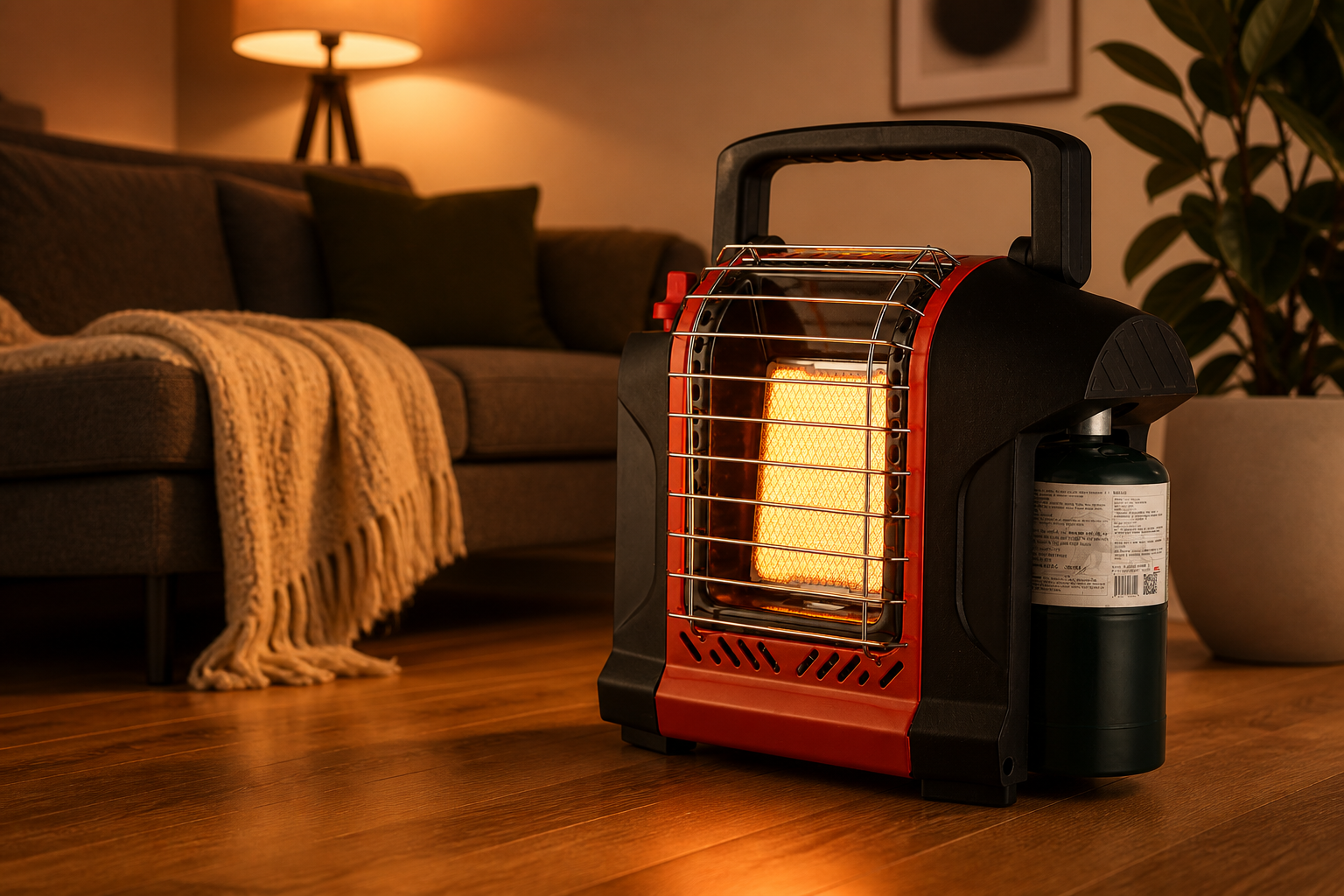
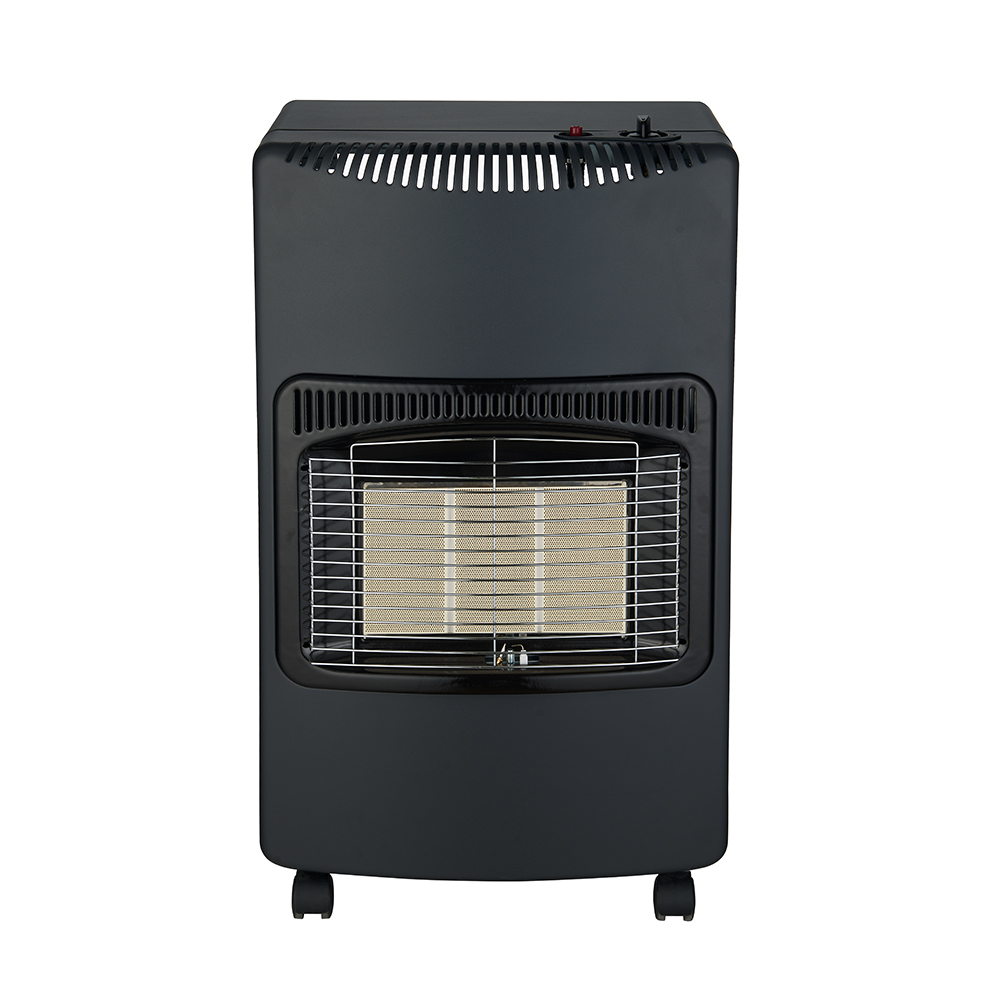
Beberapa kategori sistem pemanas gas propana untuk dalam ruangan melayani kebutuhan pemanasan dan ukuran ruangan yang berbeda. Pemanas propana portabel menawarkan fleksibilitas dan kenyamanan, memungkinkan pengguna memindahkan sumber panas sesuai kebutuhan di seluruh rumah. Unit-unit ini biasanya terhubung ke tabung propana kecil dan dilengkapi fitur keselamatan bawaan yang dirancang untuk penggunaan rumah tangga. Pemanas propana yang dipasang di dinding menyediakan solusi pemanasan permanen untuk ruangan tertentu sambil mempertahankan ruang lantai dan menawarkan distribusi panas yang konsisten.
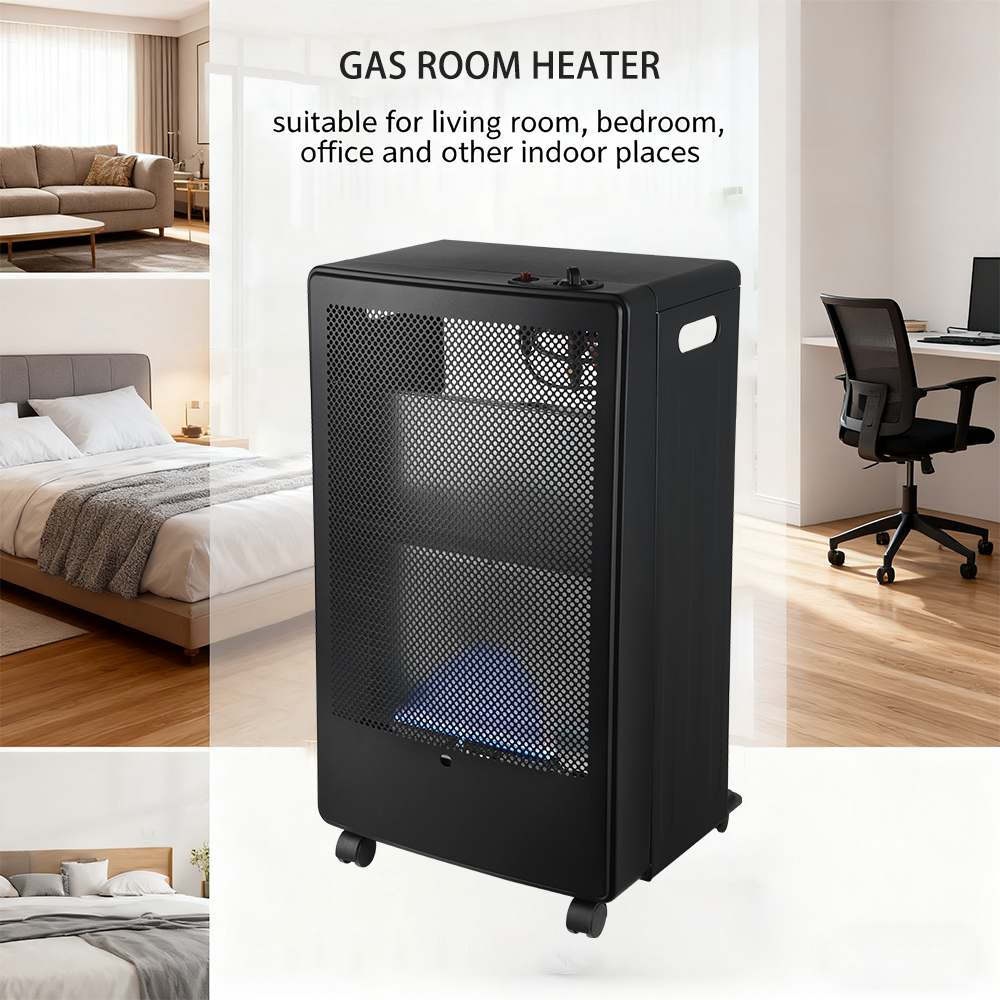
Pemanas propana tanpa saluran ventilasi mewakili kategori lain yang memerlukan perhatian khusus terhadap protokol keselamatan. Unit-unit ini beroperasi tanpa sistem ventilasi eksternal, mengandalkan udara ruangan untuk pembakaran dan melepaskan produk sampingan pembakaran ke dalam ruang hunian. Meskipun sistem tanpa ventilasi menawarkan kemudahan instalasi, sistem ini menuntut kepatuhan ketat terhadap panduan ukuran dan persyaratan ventilasi untuk menjaga kualitas udara dalam ruangan tetap aman.
Persyaratan dan Protokol Keselamatan yang Kritis
Standar Ventilasi untuk Penggunaan Propana di Dalam Ruangan
Ventilasi yang tepat merupakan dasar utama dalam operasi pemanas gas propana di dalam ruangan yang aman, memastikan pasokan oksigen yang cukup untuk pembakaran sekaligus mencegah penumpukan berbahaya dari hasil samping pembakaran. National Fire Protection Association merekomendasikan laju pergantian udara tertentu untuk ruangan yang menggunakan peralatan pemanas propana, biasanya mengharuskan minimal satu kali pergantian udara per jam sebagai standar minimum. Intake udara segar menjadi semakin penting saat menjalankan beberapa perangkat propana secara bersamaan atau di ruang tertutup yang lebih kecil.
Deteksi karbon monoksida merupakan komponen keselamatan penting untuk setiap instalasi pemanas propana dalam ruangan. Bahkan unit pemanas gas propana dalam ruangan yang berfungsi dengan baik tetap menghasilkan sejumlah kecil karbon monoksida sebagai hasil sampingan normal dari pembakaran. Memasang detektor karbon monoksida dengan tampilan digital memungkinkan pemilik rumah memantau kadar CO dan menerima peringatan dini terhadap kondisi yang berpotensi berbahaya. Detektor bertenaga baterai harus diuji setiap bulan dan diganti sesuai spesifikasi pabrikan.
Panduan Instalasi dan Penempatan
Pemasangan yang aman untuk setiap sistem pemanas gas propana di dalam ruangan memerlukan perhatian cermat terhadap persyaratan jarak bebas dan kedekatan dengan bahan mudah terbakar. Sebagian besar produsen menentukan jarak minimum dari dinding, furnitur, tirai, dan bahaya kebakaran potensial lainnya. Jarak-jarak ini memastikan sirkulasi udara yang memadai di sekitar unit pemanas sekaligus mencegah panas berlebih pada material di dekatnya. Pemasangan oleh tenaga profesional menjadi sangat penting untuk unit permanen atau yang dipasang di dinding, yang memerlukan sambungan saluran gas dan pemasangan struktural.
Pertimbangan permukaan lantai memainkan peran penting dalam penempatan pemanas gas propana di dalam ruangan secara aman. Permukaan non-kom-bustibel seperti ubin, beton, atau alas perapian yang disetujui memberikan fondasi stabil yang tahan terhadap kerusakan akibat panas. Karpet dan bahan lantai lunak lainnya memerlukan penghalang pelindung untuk mencegah perpindahan panas dan potensi bahaya kebakaran. Penempatan yang rata memastikan kinerja fitur keselamatan berfungsi dengan baik, termasuk sakelar anti-terguling dan mencegah gangguan aliran bahan bakar.
Pemeliharaan dan Praktik Operasional Terbaik
Prosedur Inspeksi dan Pembersihan Rutin
Jadwal perawatan yang konsisten membantu memastikan operasi sistem pemanas gas propana di dalam ruangan yang andal dan aman sepanjang masa pakainya. Pemeriksaan visual harus mencakup pemeriksaan sambungan gas untuk melihat tanda-tanda aus, korosi, atau kerusakan yang dapat menyebabkan kebocoran. Komponen burner memerlukan pembersihan berkala untuk menghilangkan debu, kotoran, atau sarang serangga yang dapat mengganggu pembakaran yang tepat. Perawatan profesional tahunan memberikan evaluasi sistem yang menyeluruh serta menangani potensi masalah sebelum menjadi risiko keselamatan.
Pemeliharaan filter secara langsung memengaruhi keselamatan dan efisiensi operasi pemanas gas propana dalam ruangan. Filter yang tersumbat atau kotor membatasi aliran udara, menyebabkan pembakaran tidak sempurna dan meningkatnya produksi zat sampingan berbahaya. Mengganti filter sesuai jadwal yang ditentukan oleh pabrikan menjaga kualitas udara tetap optimal sekaligus memperpanjang masa pakai peralatan. Beberapa sistem pemanas propana canggih dilengkapi filter yang dapat dicuci, yang perlu dibersihkan secara rutin menggunakan deterjen ringan dan dikeringkan sepenuhnya sebelum dipasang kembali.
Keamanan Penyimpanan dan Penanganan Bahan Bakar
Praktik penyimpanan dan penanganan tabung propana yang benar mencegah kecelakaan serta memastikan pasokan bahan bakar yang konsisten untuk aplikasi pemanas gas propana di dalam ruangan. Tabung propana harus disimpan dalam posisi tegak di area terbuka yang memiliki ventilasi baik, jauh dari sumber panas dan sumber pengapian. Penyimpanan tabung propana di dalam ruangan menimbulkan risiko yang tidak perlu dan melanggar sebagian besar peraturan pemadam kebakaran setempat. Pemeriksaan rutin tabung propana mencakup pengecekan adanya karat, penyok, atau kerusakan pada katup dan sambungan.
Prosedur deteksi kebocoran menggunakan larutan sabun membantu mengidentifikasi potensi kebocoran gas sebelum menciptakan kondisi berbahaya. Setiap kebocoran yang terdeteksi harus segera ditangani, termasuk mematikan suplai gas dan menghubungi teknisi servis yang berkualifikasi. Detektor gas elektronik memberikan keamanan tambahan dengan memantau secara terus-menerus konsentrasi propana di udara dalam ruangan. Perangkat ini harus dikalibrasi setiap tahun dan diuji setiap bulan untuk memastikan operasi yang andal.
Prosedur Darurat dan Protokol Keselamatan
Respons Kebocoran Gas dan Pemadaman Darurat
Mengembangkan dan mempraktikkan prosedur respons darurat untuk sistem pemanas gas propana dalam ruangan dapat mencegah kecelakaan dan meminimalkan risiko selama situasi tidak biasa. Deteksi kebocoran gas memerlukan tindakan segera, termasuk mematikan pasokan propana pada katup tangki dan mengevakuasi area yang terkena. Sakelar listrik tidak boleh dioperasikan saat diduga terjadi kebocoran gas, karena percikan api dapat menyulut uap propana yang terkumpul. Keadaan darurat hubungi informasi untuk perusahaan utilitas gas dan dinas pemadam kebakaran harus mudah diakses.
Perencanaan penanggulangan kebakaran secara khusus mengatasi tantangan unik dari kebakaran berbahan bakar propana. Alat pemadam api kelas B yang dirancang untuk cairan dan gas yang mudah terbakar menyediakan kemampuan penanggulangan yang sesuai untuk kebakaran propana. Namun, mematikan pasokan gas sering kali memberikan kendali kebakaran yang lebih efektif dibandingkan upaya penanggulangan sementara bahan bakar terus menyuplai api. Petugas darurat harus diberi informasi tentang lokasi peralatan pemanas propana dan ukuran tangki selama panggilan darurat kebakaran apa pun.
Pencegahan Keracunan Karbon Monoksida
Mengenali gejala awal paparan karbon monoksida membantu melindungi anggota rumah tangga dari gas tak berwarna dan tak berbau ini yang dapat dihasilkan oleh peralatan pemanas gas propana dalam ruangan yang mengalami malfungsi. Gejala awal seperti sakit kepala, pusing, dan mual sering kali menyerupai penyakit umum lainnya tetapi memburuk saat terpapar sumber CO. Paparan berat dapat menyebabkan kehilangan kesadaran dan kematian, sehingga deteksi dan penanganan dini sangat penting.
Tanggapan segera terhadap alarm karbon monoksida mencakup evakuasi bangunan dan mencari udara segar, sambil menghindari masuk kembali hingga sumber teridentifikasi dan diperbaiki. Perawatan medis mungkin diperlukan bagi individu yang menunjukkan gejala paparan CO, terutama anak-anak, lansia, atau mereka dengan kondisi kesehatan yang sudah ada sebelumnya. Pemeriksaan oleh profesional terhadap peralatan pemanas gas propana dalam ruangan menjadi wajib dilakukan setelah kejadian karbon monoksida.
Kepatuhan Peraturan dan Standar
Kode Bangunan dan Peraturan Lokal
Kode bangunan lokal menetapkan standar keselamatan minimum untuk instalasi pemanas gas propana dalam ruangan, termasuk persyaratan ventilasi, jarak aman, dan prosedur inspeksi. Peraturan ini bervariasi menurut wilayah, tetapi umumnya mengacu pada standar nasional seperti NFPA 54 (National Fuel Gas Code) dan ketentuan International Residential Code. Persyaratan izin untuk instalasi pemanas propana memastikan pengawasan yang tepat dan kepatuhan terhadap protokol keselamatan yang telah ditetapkan.
Pertimbangan asuransi dapat memengaruhi cakupan perlindungan untuk rumah yang menggunakan sistem pemanas gas propana dalam ruangan, terutama di daerah dengan faktor risiko tertentu atau riwayat klaim. Beberapa penyedia asuransi menawarkan diskon untuk rumah dengan instalasi propana profesional dan catatan perawatan rutin. Pemegang polis harus memverifikasi rincian cakupan serta persyaratan khusus terkait peralatan pemanas propana guna menghindari sengketa klaim di kemudian hari.
Sertifikasi dan Pengujian dari Produsen
Pengujian dan sertifikasi pihak ketiga memberikan jaminan kualitas untuk pemanas gas propana dalam ruangan produk melalui evaluasi independen terhadap fitur keselamatan dan standar kinerja. Lembaga seperti CSA International dan Underwriters Laboratories menetapkan protokol pengujian yang memverifikasi kepatuhan terhadap standar keselamatan yang berlaku. Kesadaran konsumen terhadap tanda sertifikasi membantu memastikan pemilihan peralatan pemanas yang telah melalui pengujian dan disetujui secara tepat.
Cakupan garansi dan layanan dukungan pabrikan memberikan perlindungan tambahan untuk investasi pemanas gas propana dalam ruangan sekaligus memastikan akses ke teknisi layanan yang berkualifikasi. Program garansi perpanjangan dapat mencakup layanan pemeliharaan rutin yang membantu menjaga kepatuhan terhadap standar keselamatan dan keandalan peralatan. Program pelatihan pabrikan bagi teknisi layanan menjamin prosedur pemasangan dan pemeliharaan yang tepat diikuti selama masa pakai peralatan.
Analisis Biaya dan Pertimbangan Efisiensi
Biaya Operasional dan Efisiensi Bahan Bakar
Evaluasi ekonomi sistem pemanas gas propana dalam ruangan mencakup biaya peralatan awal dan pengeluaran bahan bakar berkelanjutan yang bervariasi tergantung harga propana lokal dan pola penggunaan. Harga propana umumnya lebih stabil dibandingkan biaya listrik, sehingga memberikan perkiraan pengeluaran pemanasan yang dapat diprediksi untuk keperluan perencanaan anggaran. Unit pemanas propana berkinerja tinggi dapat menyediakan solusi pemanasan yang hemat biaya, terutama di daerah dengan biaya listrik mahal atau ketersediaan gas alam yang terbatas.
Perhitungan konsumsi bahan bakar membantu pemilik rumah memperkirakan biaya operasional dan membandingkan pemanas propana dengan sumber energi alternatif. Unit pemanas gas propana dalam ruangan modern menyediakan rating output BTU yang memungkinkan penentuan ukuran secara akurat sesuai kebutuhan pemanasan tertentu. Unit yang terlalu besar akan menyia-nyiakan bahan bakar karena sering melakukan siklus hidup-mati, sedangkan unit yang terlalu kecil mungkin kesulitan menjaga suhu nyaman selama periode permintaan puncak.
Nilai Jangka Panjang dan Umur Peralatan
Peralatan pemanas gas propana berkualitas untuk dalam ruangan menawarkan masa pakai yang panjang dengan perawatan yang tepat, sering kali memberikan 15-20 tahun operasi yang andal. Perawatan profesional secara berkala membantu memaksimalkan umur peralatan sambil menjaga kepatuhan terhadap keselamatan dan efisiensi operasional. Ketersediaan suku cadang pengganti serta dukungan layanan memengaruhi biaya kepemilikan jangka panjang dan harus dipertimbangkan saat pemilihan peralatan awal.
Manfaat kemandirian energi dari sistem pemanas propana memberikan nilai lebih dari sekadar perbandingan biaya semata, terutama selama pemadaman listrik atau bencana alam. Sistem pemanas gas propana dalam ruangan tetap beroperasi saat terjadi gangguan listrik, menyediakan kemampuan pemanasan penting ketika sistem pemanas listrik tidak dapat digunakan. Faktor keandalan ini menambah nilai dalam perencanaan kesiapsiagaan darurat dan ketahanan rumah secara keseluruhan.
Tanya Jawab
Apakah aman menggunakan pemanas gas propana di dalam ruangan semalaman?
Menggunakan pemanas gas propana di dalam ruangan semalaman memerlukan pertimbangan cermat terhadap fitur keselamatan dan ventilasi yang memadai. Banyak produsen secara khusus menyarankan untuk tidak mengoperasikan perangkat tanpa pengawasan, terutama selama jam tidur ketika penghuni tidak dapat memantau kemungkinan masalah. Jika penggunaan semalaman diperlukan, pastikan unit dilengkapi sensor kekurangan oksigen, fitur pemadaman otomatis, serta ventilasi ruangan yang cukup. Detektor karbon monoksida menjadi sangat penting saat operasi semalaman, dan unit pemanas harus sesuai ukuran dengan ruangannya untuk mencegah terjadinya panas berlebih.
Apa saja tanda bahwa pemanas propana dalam ruangan saya perlu perawatan?
Beberapa indikator menunjukkan bahwa unit dalam ruangan pemanas gas propana memerlukan perhatian atau perawatan profesional. Nyala api berwarna kuning atau oranye alih-alih biru menandakan pembakaran tidak sempurna yang dapat menghasilkan kadar karbon monoksida berbahaya. Bau yang tidak biasa, endapan jelaga di sekitar unit, atau kesulitan menyalakan pemanas menjadi pertanda adanya masalah potensial. Penurunan output panas, siklus kerja yang sering terjadi, atau suara bising juga memerlukan pemeriksaan oleh tenaga profesional. Setiap kali detektor karbon monoksida aktif, segera matikan perangkat dan gunakan jasa layanan profesional sebelum melanjutkan pengoperasian.
Seberapa sering saya harus mengganti tabung propana untuk pemanas dalam ruangan saya?
Frekuensi penggantian tangki propana tergantung pada ukuran pemanas, pola penggunaan, dan kapasitas tangki, bukan mengikuti jadwal tetap. Sebagian besar unit pemanas gas propana portabel indoor menggunakan silinder 20 pon yang menyediakan operasi selama 15-20 jam pada pengaturan tinggi. Pantau tingkat bahan bakar menggunakan pengukur bawaan atau pengukuran berat untuk menghindari kehabisan bahan bakar selama periode pemanasan puncak. Siapkan silinder cadangan tetapi simpan di luar ruangan sesuai dengan peraturan keselamatan. Pemeriksaan tangki selama setiap pergantian membantu mengidentifikasi potensi masalah keselamatan pada katup atau kondisi tangki.
Apakah saya dapat memasang unit pemanas gas propana indoor sendiri?
Persyaratan pemasangan untuk sistem pemanas gas propana dalam ruangan bervariasi tergantung pada jenis unit dan peraturan setempat. Unit portabel yang terhubung ke tabung propana eksternal biasanya memungkinkan pengguna melakukan pemasangan sendiri sesuai petunjuk pabrikan. Namun, pemasangan permanen yang memerlukan sambungan saluran gas atau pemasangan di dinding umumnya harus dilakukan oleh tenaga profesional serta memerlukan inspeksi. Izin setempat mungkin diperlukan untuk beberapa jenis pemasangan, dan pemasangan yang tidak benar dapat menimbulkan bahaya keselamatan serius. Pemasangan oleh profesional memastikan kepatuhan terhadap kode bangunan dan spesifikasi pabrikan, sekaligus memberikan perlindungan garansi.