EN
EN


ЖАҢАЛЫҚТАР
Газдық су қыздырғыштағы кеңістік ақауларды қалай жоюға болады?
Газдық су қыздырғыштар — ваннаға, ас әзірлеуге және тазалауға арналған сенімді ыстық су қамтамасыз ететін, дүниежүзі бойынша миллиондаған үйлерде қолданылатын негізгі құрылғылар. Дегенмен, басқа механикалық жүйелер сияқты, олар да уақыт өте келе өз жұмысы мен пайдалы әсер коэффициентіне әсер ететін ақауларға ұшырайды. газовый водонагреватель осындай ақауларды анықтау мен жою әдістерін түсіну үй иелеріне жөндеу шығындарын қатты үнемдеуге және ыстық су қорын тұрақты қамтамасыз етуге мүмкіндік береді. Бұл толық кілттік нұсқаулықта газдық су қыздырғыштардың ең көп тараған ақаулары қарастырылады және көптеген үй иелері өздері орындай алатын практикалық шешімдер ұсынылады.
Газдық су қыздырғыштардың компоненттерін түсіну
Негізгі бөліктер және олардың функциялары
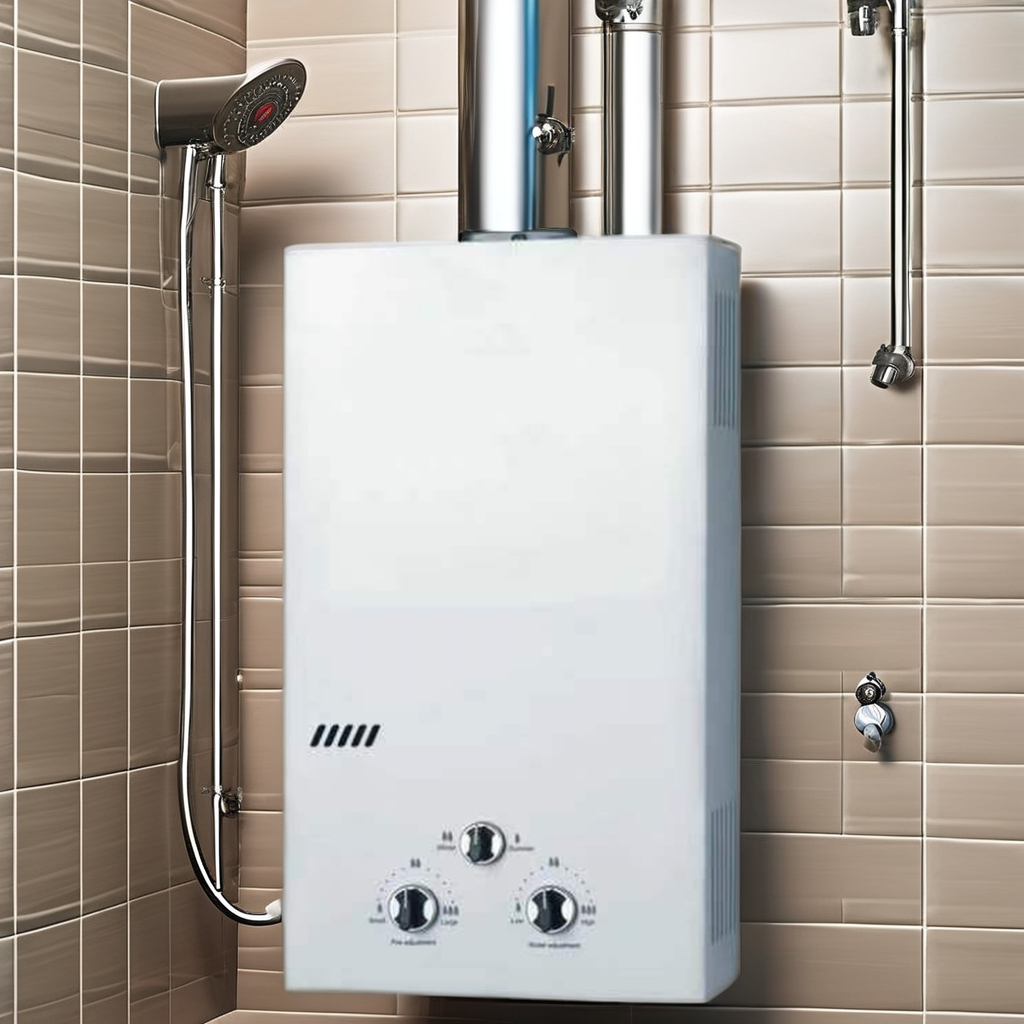
Кез келген ақаулықтарды жоюға әрекет жасамас бұрын, газды су қыздырғышыңыздың негізгі компоненттерін түсіну өте маңызды. Резервуар қыздырылған суды сақтайды және изоляция арқылы температураны ұстайды, ал газды жанғыш құрылғы су қыздыру үшін жылу көзін қамтамасыз етеді. Термостат су температурасына қарай жанғыш құрылғының тұтануын бақылайды, ал пилот шамы ескі моделдерде негізгі жанғыш құрылғыны тұндату үшін тұтандыру көзі болып табылады.
Қазіргі заманғы газды су қыздырғыштарына қауіпсіздік функциялары да кіреді, мысалы, температура мен қысымды реттейтін клапан — ол қауіпті қысымның жиналуын болдырмауға көмектеседі, сонымен қатар түтін немесе желдету жүйесі — ол жану өнімдерін үйіңізден қауіпсіз шығаруға мүмкіндік береді. Анодтық стержень резервуарды коррозиядан қорғайды, ал су түтігі (дип-труба) су қыздырудың тиімділігін қамтамасыз ету үшін суық суды резервуардың түбіне бағыттайды. Бұл компоненттерді түсіну ақауларды тиімдірек диагностикалауға көмектеседі.
Газды су қыздырғыштарының жұмыс істеу принципі
Газдық су қыздырғыш қарапайым, бірақ тиімді принцип бойынша жұмыс істейді. Үйіңізде ыстық су пайдаланылған кезде су қыздырғышқа су деңгейін төмендететін су түтігі арқылы су түседі, сондықтан су температурасы төмендейді. Термостат осы температураның өзгеруін сезінеді және газдық реттегіш клапанды ашуға сигнал береді, сол арқылы газ горелкаға барады.
Пилот шамы немесе электрондық от алғызғыш жүйесі газды жағады, сондықтан ыдыстың табанын қыздыратын ашық от пайда болады. Судың температурасы орнатылған деңгейге дейін көтерілген кезде термостат газ клапанын жабады және горелканы сөндіреді. Бұл цикл қажетті судың температурасын ұстап тұру үшін үздіксіз қайталанады, сондықтан газдық су қыздырғыш үйіңіздің қажеттіліктері үшін ыстық су беруге тиімді және сенімді көз болып табылады.
Ыстық су жоқтығын диагностикалау
Пилот шамының ақаулығы
Газдық су қыздырғышы ыстық су бермейтінінің ең көп таралған себептерінің бірі — жанып кеткен пилот шамы. Бұл кішкентай жалын қыздыру қажет болған кезде негізгі жанғыштың тұтануы үшін өте маңызды. Егер сіз ыстық су болмайтынын байқасаңыз, алдымен пилот шамы жанып тұрғанын немесе жанбағанын құрылғының төменгі бөлігіндегі қарау терезесі арқылы немесе қол жетімділік панелі арқылы тексеріңіз.
Егер пилот шамы өшірілген болса, оны әдетте құрылғының бетіне басылып тұрған өндірушінің нұсқаулығы бойынша қайта жағуға болады. Газдың реттеу тұтқасын «пилот» режиміне қойыңыз, пилот түймесін басып тұрыңыз және пилот шамын жағу үшін ұзын жағыш немесе сіріңке қолданыңыз. Пилот шамы жандықтан кейін түймені туралы термопара қызуды толық қамтамасыз ету үшін 30 секунд басып тұрыңыз. Егер түймені босатқаннан кейін пилот шамы өшіп қалса, мүмкін термопара ақаулы болып, оны алмастыру қажет.
Газдың берілуінде ақаулар
Қыздырылған судың болмауының тағы бір мүмкін себебі — газдық су қыздырғышыңызға жеткізілетін газдың жеткіліксіздігі. Пешіңіз немесе жылу бергішіңіз сияқты үйіңізде басқа газдық құрылғылар да дұрыс жұмыс істей ме, соны тексеріңіз. Егер олар да ақаулықтарға ұшыраған болса, байланыс бұл үйіңіздің барлығын қамтитын газдың берілуінің тоқталуы немесе санағыштағы ақаулық болуы мүмкін, сондықтан газ қызметін көрсететін компанияға хабарласыңыз.
Егер басқа газдық құрылғылар дұрыс жұмыс істесе, су қыздырғышыңызға жақын орналасқан газдың өткізу клапанын тексеріңіз — оның толығымен ашық екендігіне көз жеткізіңіз. Клапанның тұтқасы ашық кезде газ өткізгішіне параллель орналасуы керек. Сонымен қатар, газ өткізгішінде көрінетін зақымдану немесе газдың өте күшті иісі бар ма, соны тексеріңіз — бұл газдың ағуын көрсетуі мүмкін, оған дер кезінде мамандардың көмегі қажет. Қауіпсіздік шарттарын сақтау үшін газ өткізгіштерін өзіңіз жөндеуге тырысқан жөн емес, бұл жұмысты тек лицензияланған мамандар орындай алады.
Қыздырылған судың жеткіліксіздігін шешу
Температураның орнатылуын реттеу
Сіздің газдық су қыздырғышыңыз қандай да бір ыстық су береді, бірақ үй шаруашылығыңыздың қажеттіліктерін қанағаттандыру үшін жеткіліксіз болса, мәселе жиі температураның орнатылуында жатады. Көптеген құрылғыларда ағындағы температураны көрсететін бұрғы немесе цифрлық дисплей орналасқан, ол әдетте газдық реттеу клапанында орналасады. Көптеген үй шаруашылықтары үшін ұсынылатын температура орнатуы — 120°F пен 140°F арасында, бұл энергия тиімділігі мен жеткілікті ыстық су қорын теңестіреді.
Егер температура тым төмен орнатылған болса, оны кішкентай қадамдармен біртіндеп көтеріңіз және су қызығанша бірнеше сағат күтіңіз, сосын сынақтан өткізіңіз. Жоғары температуралар энергия шығынын және қайнатып алу қаупін арттыратынын есте ұстап, өз қажеттіліктеріңізді қанағаттандыратын ең төменгі температураны табыңыз. Кейбір заманауи газдық су қыздырғыштары оптималды температура басқаруы үшін дәл цифрлық басқару элементтерін ұсынады.
Шаң-тозаң жиналуы және ыдыстың күтуі
Уақыт өте келе су құбырыңыздан түсетін минералдар мен шаң-тозаң газдық су қыздырғышыңыздың резервуарының табанында жиналуы мүмкін, бұл қыздыру тиімділігін төмендетеді және ыстық су қорын азайтады. Бұл жиналу отындың және судың арасында изоляциялық кедергі болып табылады, сондықтан жүйе қажетті температураны қол жеткізу үшін қосымша күш пен уақыт жұмсайды.
Бұл мәселені шешу үшін құрылғының төменгі бөлігіндегі резервуардың тазарту кранынан бірнеше галлон су ағызыңыз. Егер шаң-тозаң жиналуы аз болса, бірнеше галлон су ағызғаннан кейін су таза болуы тиіс. Егер су әлі де бұлыңғыр болса немесе көрінетін бөлшектер болса, сізге резервуарды толығымен жуу немесе терең тазарту үшін маманға керек болуы мүмкін. Газдық су қыздырғышыңызда ауыр шаң-тозаң жиналуын болдырмау үшін әрбір алты айда реттік техникалық қызмет көрсету қажет.
Су сапасы мәселелерін шешу
Қызылдаған немесе боялған су
Сіздің газдық су қыздырғышыңыздан шығатын ыстық су тозаңдай немесе боялған болса, бұл әдетте резервуарда немесе су құбыры жүйесінде коррозия бар екенін көрсетеді. Резервуарды қорғау үшін коррозиялық элементтерді тартатын анодтық стержень тозған болуы мүмкін және оны алмастыру қажет. Бұл құрбан болатын компонент әдетте 3–5 жылға созылады, бірақ агрессивті су химиясы бар аймақтарда ол тезірек тозуы мүмкін.
Анодтық стерженьді тексеру үшін резервуардан біраз суды төгіп, одан кейін құрылғының жоғарғы жағынан стерженьді бұрап алу қажет. Егер стержень күшті коррозияға ұшыраған немесе жіңішке сымдық негізге дейін қысқарған болса, оны алмастыру қажет. Жаңа анодтық стержень орнату газдық су қыздырғышыңыздың қызмет ету мерзімін қатты ұзартып, судың сапасын жақсартады. Егер судағы коррозия әсері өте күшті болса, алюминий/цинк анодтық стерженьге ауысуға болады.
Қатерлі дәм немесе иіс
Қыздырылған судағы ащы немесе жаман иістер газды су қыздырғышыңыздың жүйесіндегі әртүрлі көздерден пайда болуы мүмкін. Іріп кеткен жұмыртқа иісі көбінесе резервуарда бактериялардың өсуін көрсетеді, әсіресе сумен қоректенуңізде күкірт қосылыстары бар болса. Резервуарды сутегі пероксиді ерітіндісімен жуу бұл бактерияларды жоюға және судың қалыпты сапасын қалпына келтіруге көмектеседі.
Металдық дәмдер көбінесе су қыздырғышыңыздың газды жүйесіндегі коррозияланған су құбырлары немесе анодты стерженьнің бұзылуынан пайда болады. Регулярлық техникалық қызмет көрсету мен уақтылы компоненттерді алмастыру осы ақаулардың пайда болуын болдырмауға көмектеседі. Егер техникалық қызмет көрсетуден кейін проблемалар сақталса, нақты ластанған заттарды анықтау үшін суды зерттеуге беріңіз — оларға арналған арнайы сүзгілеу немесе тазарту шешімдері қажет болуы мүмкін.
Газды су қыздырғышындағы дыбыстарды жою
Қырқылып, соғылып тұрған дыбыстар
Сіздің газдық су қыздырғышыңыздан келетін ерекше дыбыстар жиі қалыңдықтың жиналуын немесе басқа механикалық ақауларды көрсетеді, оларға мән беру қажет. Құдықтағы қалыңдықтың бу көпіршіктерін қамтитын және су арқылы көтерілген кезде қатты жарылып кететін түбінде жиналуы салдарынан әдетте қызықтыру немесе соққы дыбыстары пайда болады. Бұл процесс «қайнау» деп аталады және уақыт өте келе қоймаға зиян келтіруі мүмкін, егер оған назар аударылмаса.
Бұл дыбыс ақауларын жою үшін газдық су қыздырғышыңыздың қоймаға жиналған қалыңдықты толық тазартыңыз. Алдымен газды өшіріңіз және судың салқындайтынын күтіңіз, одан кейін бағалау шлангын тазарту клапанына қосыңыз және су таза ағып кеткенше тазартыңыз. Бұл техникалық қызмет көрсету жұмысын қалыңдыққа байланысты проблемаларды болдырмау және тыныш жұмыс істеуді қамтамасыз ету үшін жылына бір рет орындау қажет.
Үрлеу және құлақ түйсігін титыртатын дыбыстар
Газдық су қыздырғыштан шу немесе жіңішке үн естілуі әртүрлі ақаулардың белгісі болуы мүмкін, оларды зерттеу қажет. Шу дыбысы вентиляциялық жолдың бөлшектей тұйықталуы немесе газ қысымының дұрыс еместігінен пайда болуы мүмкін, ал жіңішке үн газдың сорылуын немесе қысымды түзететін клапандағы ақауларды көрсетуі мүмкін. Бұл дыбыстарды ешқашан елемеу керек, себебі олар қауіпсіздікке қатысты мәселелерді көрсетуі мүмкін.
Егер сіз газ қосылыстары немесе басқару клапанының жанында жіңішке үн естісеңіз, газдың берілуін дер кезінде тоқтатыңыз және сауатты техникке хабарласыңыз. Вентиляциялық жүйеден шу естілсе, ауа ағысын шектейтін құстардың ұялары немесе басқа ластанулар бар-жоғын тексеріңіз. Қауіпсіз газдық су қыздырғыштың жұмыс істеуі үшін дұрыс вентиляция өте маңызды, ал кез келген вентиляциялық ақаулар көміртегі монооксидінің жиналуын болдырмау үшін уақытылы мамандардың назарын қажет етеді.
Су ағып кетуін реттеу
Сыйымдылықтың табанынан су ағып кетуі
Суыңыздан газдық су қыздырғышыңыздағы су ағып шығуын уақытылы жоюға көңіл бөлмесеңіз, құрылысқа қатты зиян келтіруі мүмкін. Текшенің табанынан ағып шығатын су көбінесе ішкі коррозияны көрсетеді және оның алмастырылуы қажет екенін білдіреді. Дегенмен, табаннан ағып шығатын судың көрінісі кейде қондырғының жоғарғы бөлігіндегі қосылыстардан басталып, төменге тамшылап төгілуі мүмкін, сондықтан мұқият тексеру маңызды.
Текшенің өзі сорылып тұрғанын шешуге дейін су қосылыстарын, соның ішінде су кірісін, ыстық су шығысын және температура/қысымды реттейтін клапанды тексеріңіз. Тісті бекітпе элементтердің босағанын ұстап тұру үшін оларды ұқыпты бұрыңыз, бірақ артық бұру арқылы тістердің зақымдануын болдырмаңыз. Қосылыстардан ағып шығатын суды жойғаннан кейін де газдық су қыздырғышыңыздың астында су жинала берсе, онда текшенің орнын сауатты маман алмастыруы керек.
Қысымды реттейтін клапан мәселелері
Температура мен қысымды реттейтін клапан газды су қыздырғышыңыздағы маңызды қауіпсіздік компоненті болып табылады және ыдыстың жарылуына әкелуі мүмкін қауіпті қысымның жиналуын болдырмауға көмектеседі. Бұл клапаннан кейде су қыздыру циклы кезінде аз мөлшерде сұйықтықтың ағуы қалыпты құбылыс болып табылады, бірақ үздіксіз тамшылау – назар аударуды қажет ететін ақаулықтың белгісі.
Алдымен су температурасы тым жоғары орнатылған ба, соның нәтижесінде клапанды іске қосатын артық қысым пайда болған ба, тексеріңіз. Егер температураның орнатылу деңгейі дұрыс болса, онда клапанның өзі ақаулы болуы мүмкін және оны алмастыру қажет. Сіз ешқашан ағып тұрған қысымды реттейтін клапанды тығып немесе бекітпейсіз, себебі бұл қауіпсіздіктің маңызды қызметін жояды. Орнына сараптамалық бағалау жүргізіп, қажет болса жаңа клапан орнату үшін сараптамалық маман шақырыңыз, сонда газды су қыздырғышыңыз қауіпсіз жұмыс істейді.
Превентивті техникалық қызмет беру сипаттамалары
Регулярлы тексеру кестесі
Газдық су қыздырғышыңыз үшін редеулі техникалық қызмет көрсету режимін орнату көптеген жиі кездесетін ақауларды болдырмауға және құрылғының пайдалану мерзімін қатты ұзартуға мүмкіндік береді. Айлық көрінетін тексерулерге сорғыларды, коррозия белгілерін және пилот шамының дұрыс жұмыс істеуін тексеру кіруі тиіс. Дамып келе жатқан ақауларды көрсетуі мүмкін қандай да бір ерекше дыбыстар, иістер немесе ыстық су сапасындағы өзгерістерге назар аударыңыз.
Жылдық техникалық қызмет көрсету кезінде тезекті тұнбаға қарсы шайып тазарту, қысымды түсіретін клапанды сынау және желдету жүйесін кедергілерден тексеру кіреді. 3–5 жылда бір рет анодтық стерженьді маманға тексертіп, қажет болса, оны алмастырыңыз. Техникалық қызмет көрсету туралы толық жазбаларды сақтау газдық су қыздырғышыңыздың жұмыс істеу сапасын бақылауға көмектеседі және кепілдік бойынша талаптарды немесе қайтадан сату мақсатында пайдалы болуы мүмкін.
Энергия тиімділігін оңтайландыру
Газдық су қыздырғышыңыздың тиімділігін арттыру қолдану шығындарын және экологиялық әсерін азайтады, сонымен қатар сенімді жұмыс істеуін қамтамасыз етеді. Қыздырылған су құбырларын дұрыс жылыту құбырлар бойымен су таратылған кезде жылу жоғалтуын болдырмағанда, ыдыстың өзін жылыту көне моделдерде тиімділікті арттыруға көмектеседі. Қазіргі заманғы құрылғыларда әдетте зауытта орнатылған жеткілікті жылыту болады, бірақ көне газдық су қыздырғыштарына жылыту жапсырмалары пайдалы болуы мүмкін.
Қыздырылған судың сұранысын ыңғайлылықты төмендетпей-ақ азайту үшін төмен ағыс құйылатын душ басылары мен шүмектерге аэрациялық қондырғылар орнатуды қарастырыңыз. Термостатты ең төмен ыңғайлы температураға, әдетте шамамен 49°C (120°F) дейін, орнату тиімділікті қамтамасыз етіп, қажетті қыздырылған су қорын сақтайды. Регулярлық техникалық қызмет көрсету газдық су қыздырғышыңыздың қызмет көрсету мерзімі бойынша ең жоғары тиімділікте жұмыс істеуін қамтамасыз етеді.
Жиі қойылатын сұрақтар
Газдық су қыздырғышымды қанша жиі тазартуым керек?
Сіз газдық су қыздырғышыңыздың тиімділігін төмендетіп, қызмет көрсету мерзімін қысқартуы мүмкін шаң-тозаңдың жиналуын болдырмау үшін оны кемінде жылына бір рет тазартып отыруыңыз керек. Қатты суды қолданатын үйлерде тазартуды одан да жиі, яғни әрбір алты айда бір рет жасау қажет болуы мүмкін. Бұл процесстің мақсаты — су қыздырғыштың төменгі тазарту клапанынан бірнеше галлон су құйып, су таза ағып шығанша жалғастыру; бұл құрылғының оптималды жұмыс істеуін қамтамасыз етеді және қызмет көрсету мерзімін ұзартады.
Егер газдық су қыздырғышыңыздың пайлот жанары үнемі сөніп тұрса, не істеу керек?
Пайлот жанары қайталанып сөніп тұрса, ең көп тараған себебі — ауыстыруға тиісті ақаулы термопара болып табылады. Бұл қауіпсіздік құрылғысы пайлот жанары дұрыс жанбаған кезде газ ағысын өшіреді. Басқа да мүмкін себептерге құрылғының жанындағы желдер, ластанған пайлот тесігі немесе газдың берілуіндегі ақаулар жатады. Алдымен пайлот құрылғысын тазартып көріңіз, бірақ проблема жойылмаса, дұрыс диагностикалау мен жөндеу үшін сауатты техникке хабарласыңыз.
Газдық су қыздырғышы қанша уақыт жұмыс істейді?
Жақсы күтілетін газды су қыздырғыштар әдетте 8-12 жылға созылады, бірақ бұл көрсеткіш су сапасына, пайдалану режиміне және күтім жиілігіне байланысты өзгеруі мүмкін. Қатты су немесе жоғары пайдалану деңгейі бар аймақтарда орнатылған қондырғылардың қызмет ету мерзімі қысқарақ болуы мүмкін, ал редовды күтім қызмет ету мерзімін ұзартуға көмектеседі. Алмастыру қажеттілігін көрсететін белгілерге жиі жүргізілетін жөндеулер, қоңыр түсті су, жеткіліксіз қыздыру немесе көрінетін резервуардың коррозиялануы жатады.
Газды су қыздырғыштағы ақауларды өзім табу қауіпсіз бе?
Пилот шамын тексеру, температура орнатуын реттеу және резервуарды шаю сияқты көптеген негізгі ақауларды анықтау жұмыстарын үй иелері дұрыс әдістерді ұстана отырып қауіпсіз орындай алады. Дегенмен, газдық жолдармен, негізгі компоненттерді алмастырумен немесе электр қосылыстарымен байланысты жұмыстарды лицензиялы қызметкерлер орындауы керек. Егер сіз газ иісін сезсеңіз немесе газдың ақуын шүбәлensesеңіз, онда ешқашан жөндеу жұмыстарын өзіңіз жүргізбеңіз; сонымен қатар, газды су қыздырғышыңызға кез келген күтім жұмыстарын жүргізген кезде өндірушінің қауіпсіздік нұсқауларын міндетті түрде орындаңыз.