EN
EN


ЖАҢАЛЫҚТАР
Кемпинг газдық пешінің өндірушісі: опт сатып алуға дейін тексеруге тиісті нәрселер
Тасымалданатын газдық пештер сырттағы тауарлар санатындағы ең сенімді тауарлардың бірі. Олар компактты, қоймада сақтауға аз қаупі бар және олар үш нақты маусымда — көктемдегі кемпингте, жаздағы автокемпингте және қыстағы авариялық жиынтықтарда — сатылады. Сыртқы тауарлар жинағын құратын опттауыштар мен импорттаушылар үшін сұрақ газдық пештерді әкелу керек пе емес пе емес, ал қай фабрика тұрақты сапа беріп, барлық тарату каналына пайда қалдыратын бағамен жеткізе алады.
Бұл нұсқаулық сіз кемпингтегі газдық пештерді опттан сатып алмас бұрын тексеруге тиісті нәрселерді қамтиды: құрылыс стандарттары, газмен үйлесімділік, фабриканың сапа бақылауы және ретейл клиенттеріңіз күтетін құжаттама.
Неге кемпингтегі газдық пештер импорттаушылар үшін тұрақты санат болып табылады
Портативті газдық пештердің таратушыға тартымдылығы қарапайым: қайталанатын сұраныс және төмен мода қаупі. Киім немесе электроника сияқты емес, негізгі өнім баяу өзгереді — осы жылғы жеңіл, бүктелетін пеш келесі жылы да әлдеқайда тиімді өнім болып қалады. Бұл санатта сұраныстың бірнеше бағыттары бар, олар әртүрлі уақытта шыңға көтеріледі:
- Кемпинг пен жаяу жүру маусымы жеңіл, бір конфоркалық құрылғылардың сатысын қозғайды.
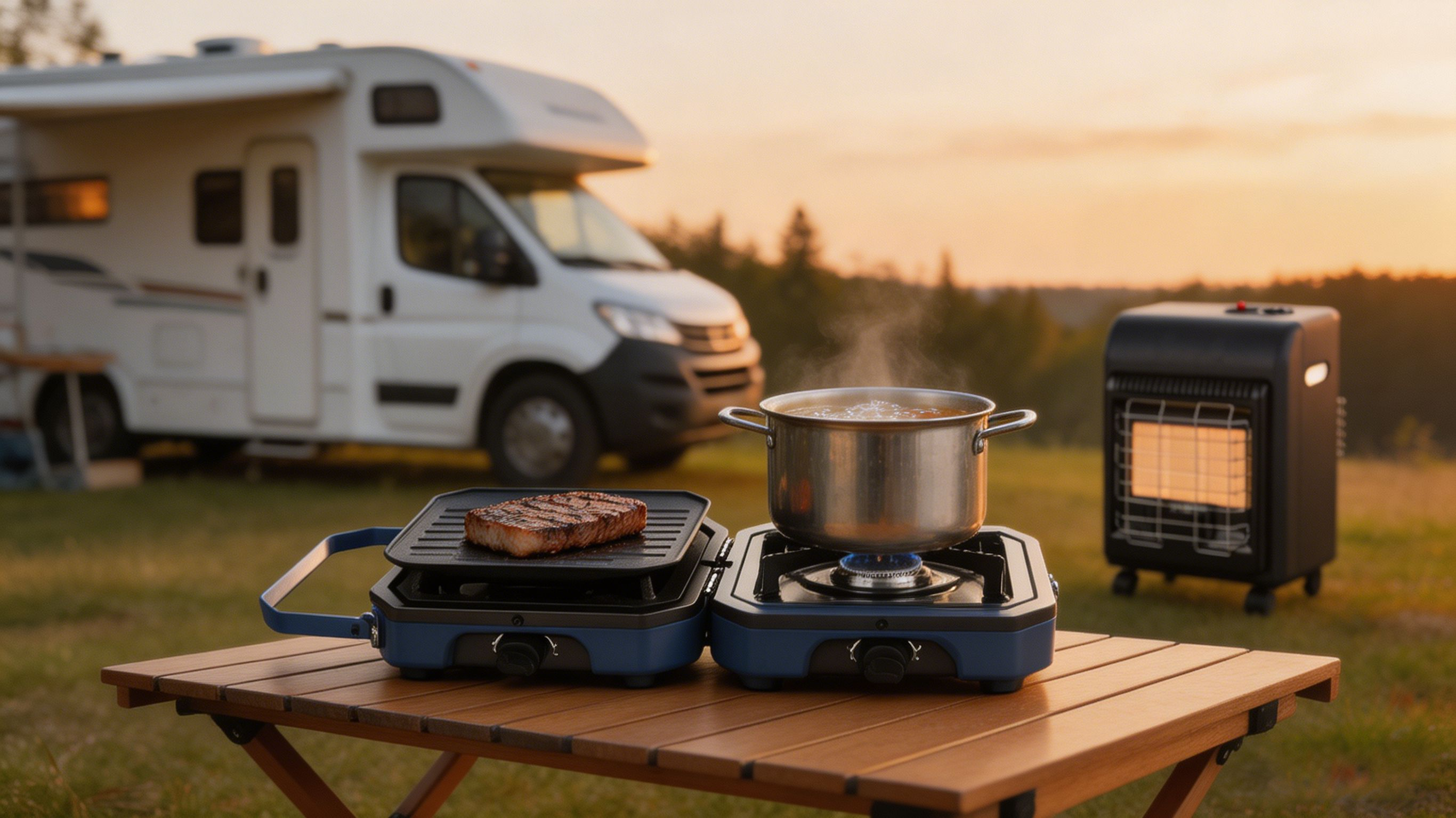
- Автокемпинг пен автопоездарды пайдалану желден қорғалған, компакт екі конфоркалық пештерге қолайлы.
- Төтенше жағдайларға дайындық бұл — жаңбырлы ауа райы мен электр қысымының болуы мүмкін аймақтарда жыл бойы әсер ететін фактор; соңғы кездегі Еуропа мен Солтүстік Америкадағы ауа райы оқиғаларынан кейін бұл санат тұрақты өсті.
- Қыстағы ашық аспан астындағы демалыс (мұзда балық аулау, қыстағы кемпинг) көптеген дүкендер үшін маусымдық болып саналатын өнімге қысқы қосымша қабатын қосады.
Импортер үшін бұл ауқым — жақсылап таңдалған модельдердің бір контейнерін тоғыз ай бойы сатуға болады, ал бір ғана шыңға көтерілу орнына.
Кемпингтегі газдық пештердің түрлері және олардың опт-сату тартымдылығы
Жеңіл бір жалғыз оташылық пештері
Өте жеңіл, бүктелетін пештер — жиі 300 г-нан жеңіл — бағдаршамдық сегментті басқарады. Олар тісті цилиндрлерде жұмыс істейді және ыдысқа сыйып кету үшін бүктеледі. Топтау сатысының тартымдылығы — көлем: дүкендер оларды кіріс деңгейіндегі тауар ретінде сатады, ал отын цилиндрлері үшін өте жоғары бекіту көрсеткіші бар.
Екі оташылық үстел үсті пештері
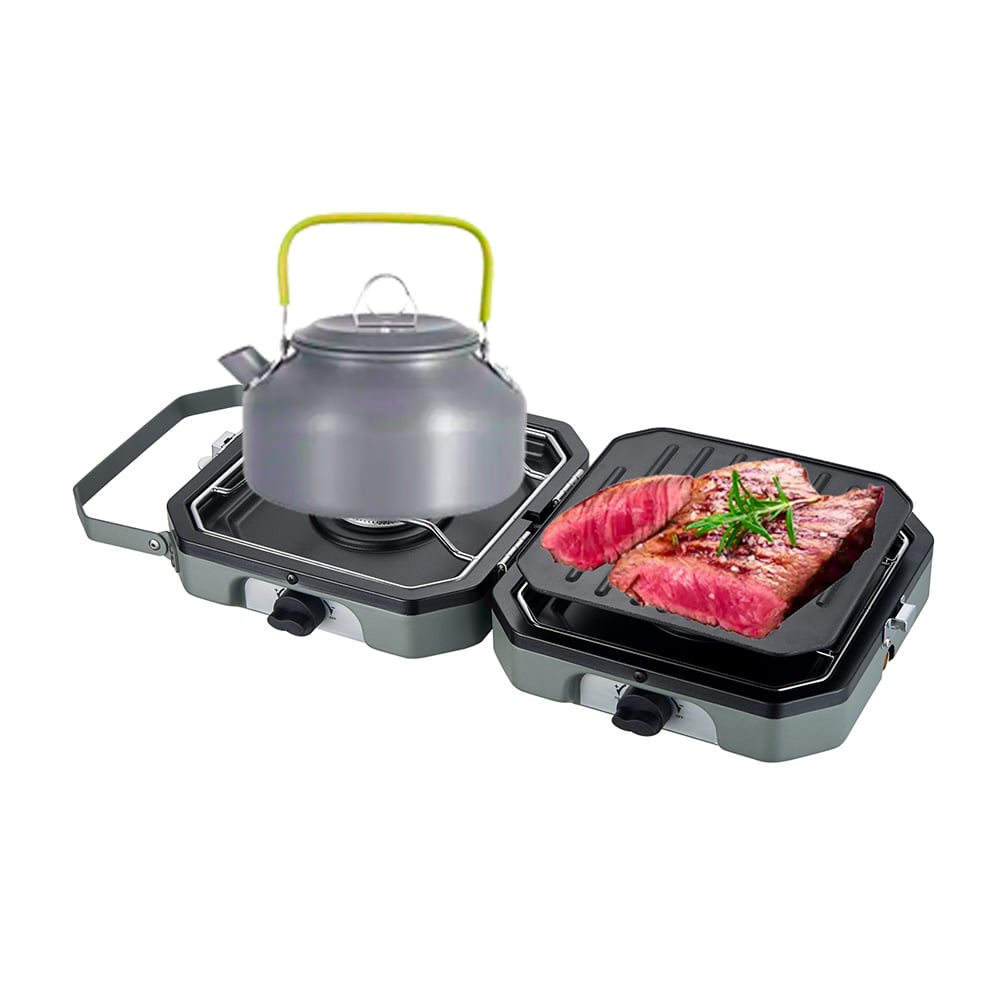
Отбасылық кемпинг сегменті екі оташылық пештерге, жел қорғағыштары мен бүктелетін аяқтары бар пештерге негізделген. Бұлар — құндылығы жоғары құрылғылар, олар бір уақытта гриль табақтарын, гриль тақтайшаларын және ыдыстарды қолдайды. Олар бір оташылық моделдерден табиғи жоғары деңгейге көтерілу болып табылады және көптеген кемпинг тауарларының негізін құрайды.
Пеш-жылыту құрылғыларының комбинациясы
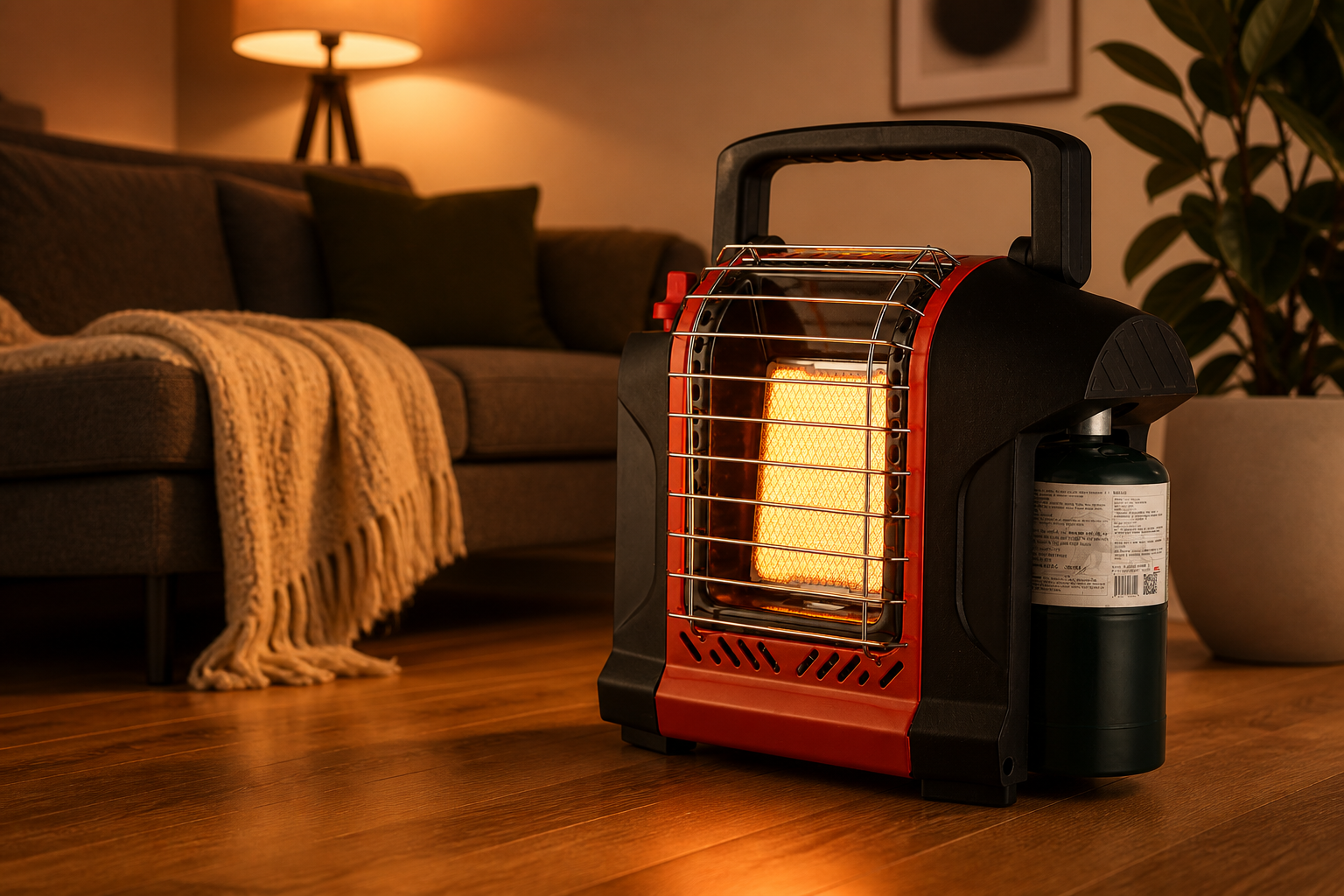
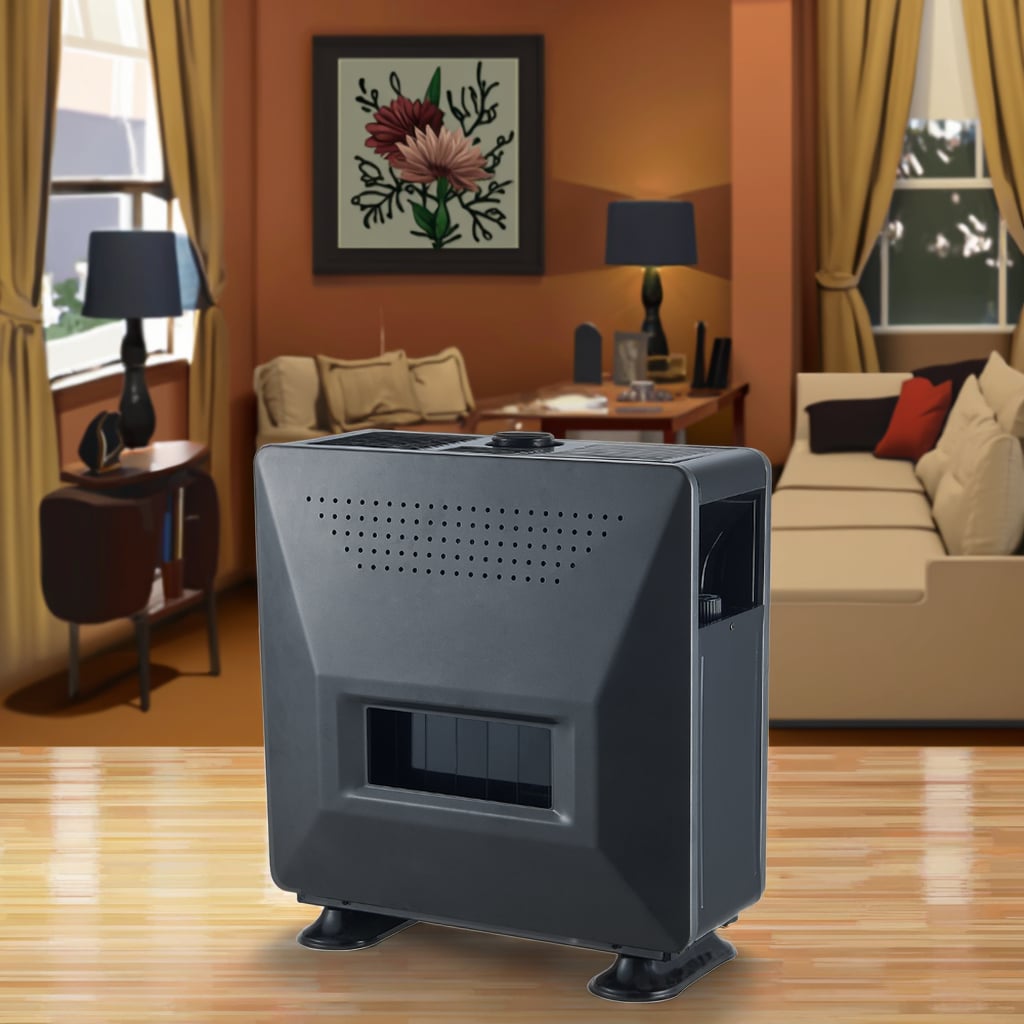
Комбинациялық құрылғылар — бір уақытта сәулелі газдық жылытушы ретінде де жұмыс істейтін пеш — осы санаттағы ең тез өсетін ниша. Бір өнім қосымша азық-түлік дайындау мен суық кезеңдегі жылу беруді қамтамасыз етеді, сондықтан ол салмағын азайтқысы келетін кемпірлерге және жоғары бағалы өнімді сатқысы келетін сауда нүктелеріне тартымды болып табылады. LQ-KB9 2-in-1 кемпірлік жылытушы мен пеш сияқты құрылғылар өндірушілердің екі қызметті бір сертификатталған құрылғыға біріктіру жолдарын көрсетеді.
Қосымша құрылғылар мен отын
Отын сыйымдылықтары, қосымша реттегіштер, шланг адаптерлері мен гриль тақтайшалары қайталанатын табыс әкеледі. Пештерді сататын сауда нүктелері өзінің жеткізушісінен сәйкес қосымша құрылғыларды ұсынуын күтеді; зауыттың осы бөлшектерді бірге жинақтауы немесе жеткізуі дистрибьютордың логистикасын жеңілдетеді.
Материалдар мен құрылыс: Тұрақты пештерді қайтарылғандардан ажырататын не?
Оптовик сатушылар көбінесе ақаулық туралы хабарламаларды көрмейді — оларды сауда нүктесі қабылдайды. Төменде келтірілген құрылыс таңдаулары сіздің тұтынушыларыңыз жылдар бойы қызмет көрсететін өнімді көре ме немесе қайтарылу бөліміне бар ма — соны анықтайды:
- Жанғыш басының материалы: мыс және коррозияға төзімді болаттан жасалған отынды жағатын құрылғылар боялған болатқа қарағанда көпке дейін коррозияға төзеді. Су аймақтары мен ылғалдылығы жоғары аймақтарда бұл айырмашылық шешуші болып табылады.
- Регулятор мен клапанның сапасы: газ клапаны — кез келген пештің ең қауіпсіздікке қатысты маңызды бөлігі. Сертификатталған регуляторларды қолданатын және әрбір клапанды жинақтаудан бұрын сынақтан өткізетін өндірушіні іздеңіз.
- Жел қорғағыш пен ыдыс ұстайтын тірек: қат-қатталатын ыдыс ұстайтын тіректер жүздеген циклдан кейін де өз орнын сақтауы керек. Үлгі бірліктегі шарнир дизайны мен серіппенің керілуін тексеріңіз.
- Қаптау және жабылу: пеш денесіндегі порошокты бояу беті тасымалдау кезінде және дүкендердегі сақтау кезінде сызылуға төзеді.
- Қаптама: экспорт үшін жәшік контейнерлік жеткізу мен дүкендегі сөредегі көрсетуге шыдамды болуы керек. Баспа сапасы дүкен сатушылары үшін маңызды — жәшік олардың көретін алғашқы өнім.
Газға сыйымдылық және картридж жүйелері
Газдың сыйымдылығы — бұл импорттаушылар қымбатқа түсетін қателер жасайтын жер. Қолданылатын отын жүйелері аймақтар бойынша әртүрлі болатын қозғалмалы кемпінг пештері; дұрыс емес жүйеге құрылған пешті өрісте оңай түрлендіруге болмайды:
- Тісті картридждер (EN 417 стандарты): еуропада жаяу бағытта және кемпінгте пештер үшін басым жүйе, өзін-өзі герметикалайтын тісті картридждерді қолданады.
- Пирс-тәрізді картридждер: кейбір нарықтарда кең тараған, арнайы пирс клапанының дизайнын талап етеді.
- Пропан шлангты қосылулары: екі жанартағылы пештер үшін, олар толтырылатын пропан баллондарынан шланг пен редуктор арқылы жұмыс істейді.
Тапсырыс бермес бұрын мақсатты нарығыңызда қажетті дәл отын жүйесі мен газ түрін (бутан, пропан немесе бутан-пропан қоспасы) растаңыз. Жобалауы өте жақсы болса да, жергілікті картридждермен сыйымды емес пеш сатылмайды.
Қауіпсіздік, стандарттар және құжаттама
Кемпингтік пештер газдық құрылғылар — сертификаттау міндетті талап, оның болмауына рұқсат етілмейді. Қолданыстағы талаптар нарыққа байланысты әртүрлі болады, бірақ Еуропа үшін алып жүрілетін газдық құрылғылар EN 521 сияқты гармонияланған стандарттарға сай келуі тиіс, сонымен қатар құрылғы жергілікті жерде қолданылатын газ санатына сәйкес келуі керек. Солтүстік Америка үшін CSA немесе оған теңестірілген сертификат іздеңіз. Австралия үшін AGA сертификаты қолданылады.
Импортердің зауыттан сұрауы керек нәрселер:
- Сіз импорттайтын дәл модель мен газ түрін қамтитын сертификат — сертификаттар модельге арналған.
- Сынақ нәтижелері қысымды реттеуге, соруларға қарсы төзімділікке және жалынның тұрақтылығына.
- The қолдану мақсаты тағайындалған нарықтың тілінде — бұл қазір құқықтық сәйкестіктің шарты, тек қана ыңғайлылық емес.
- Дәлелдеме: әрбір өнімнің қорапқа салынғаннан бұрын өткізілген зауыттағы соруларға қарсы сынақ. әрбір өнім бойынша газға қарсы сынақ пеш зауытындағы ең маңызды сапа бақылау (QC) қадамы.
Зауыттың сапа бақылауы: Сұрауға болатын сұрақтар
Өндірушіні бағалаған кезде, брошюралардан тыс қозғалып, процесті растаңыз:
- Әрбір өнім суықтыруға тексеріледі ме? Портативті газды құрылғылар үшін қораптау алдында әрбір өнімге газдың ағуын тексеру — негізгі талап. Оны қалай жасайтынын сұраңыз және сынақ стандартын талап етіңіз.
- Клапандар мен реттегіштер сериялық тәртіппен тексеріледі ме? Жабдықтаушылардан келген компоненттерді жинақтау алдында қағаз бетіндегі деректерге сенбеу керек, оларды тексеру керек.
- Дайын пештерге қанша пайызда «жанғызу» немесе тексеру жүргізіледі? Жанғызу кезіндегі тексеру көрінетін тексеруден қалып кететін жану және жалын үлгісіндегі ақауларды анықтайды.
- Іздегіштік қамтамасыз етілген бе? Горелкалар мен клапандардағы партия нөмірлері зауытқа дүкендерден хабарланған ақауларды шектеуге мүмкіндік береді — және сізді толық контейнерлік шақырудан қорғайды.
- Үлгі тапсырыстар қалай өңделеді? Өндіріс басталмас бұрынғы үлгіге зауыттың жауабы сізге көп нәрсе айтады туралы сіз контейнер көлемін растамас бұрын оның сапа мәдениеті туралы.
Импорттаушылар мен таратушыларға арналған кәсіби кеңестер
- Екі баға деңгейін ұстап тұрыңыз. Жеңіл кіріс пеші мен премиум екі жанармайлық блогы бірінші рет кемпингке шығатындар мен ауыр қолданысқа арналған адамдардың екеуін де қамтиды — екі SKU, екі раф, бір тараптан тұратын жеткізуші.
- Газ санатын өз нарығыңызбен екі рет тексеріңіз. Бірінші рет үлгі кезеңінде, екінші рет өндіріс басталмас бұрын. Газ конфигурациясындағы қателер осы санатта жіберілген жеткізулердің ең көп таралған себебі.
- Сәйкес қосымша заттарды тапсырыс беріңіз. Отын цилиндрлері мен қосымша бөлшектер орташа тапсырыс құнын көтереді және дүкендерде қайталанатын сатып алуларды ынталандырады.
- Сертификаттағы модель тізімін растаңыз. Кейбір сертификаттар модельдер отбасын қамтиды; дәл сіздің модель нөміріңіз оның үстінде көрсетілгенін растаңыз.
- Қысқы сұранысқа дайындалыңыз. Авариялық жағдайлар мен суық ауа-райы үшін қолдану сатып алу маусымын ұзартады; қоймаңыз бірінші тоңнан кейін келмеуі керек.
Жиі қойылатын сұрақтар
Сұрақ 1: Бутан мен пропандық кемпинг пештерінің айырмашылығы қандай?
Бутан жылы ауа-райында жақсы жұмыс істейді, бірақ суықта қысымы төмендейді; пропан тіпті қатып қалған температурада да қысымын сақтайды. Көптеген портативті пештер екеуінің теңдестірілген араласпасында жұмыс істейді. Сіздің нарығыңызға сәйкес дұрыс газ ауа-райы жағдайлары мен картридждердің қолжетімділігіне байланысты.
Сұрақ 2: Кемпинг газдық пештерін теңіз жолымен жеткізуға бола ма?
Иә, егер құрылғы отынсыз жеткізілсе және жеткізу мақсатына сай газ құрылғылары үшін импорт ережелеріне сай келсе. Отындық банкалар — бұл өзіндік нормалары бар жеке логистикалық тауар; жүктелген банкаларды пештермен бірге, маман кеңесінсіз бір жеткізу құжатына біріктірмеңіз.
Сұрақ 3: Еуропаға арналған төбетілген газдық пештер қандай сертификатқа ие болуы керек?
Еуропада сатылатын қозғалмалы газдық құрылғылар қолданыстағы гармонияланған стандартқа — қозғалмалы LPG құрылғылары үшін EN 521 стандартына — сәйкес келуі және дұрыс газ санатына сәйкестендірілуі тиіс. Өндірушінің сертификаты мен техникалық құжаты нақты модельіңізді қамтуы тиіс.
Сұрақ 4: Типтік төбетілген газдық пештің қанша уақыт жұмыс істеуі мүмкін?
Тиісті ұқыптылықпен пайдаланғанда, сапалы пеш 10 жыл немесе одан да көп уақыт жұмыс істейді. Тозатын бөлшектерге реттегіш, клапандық тығыздағыштар және (орнатылған жағдайда) шланг жатады — осы бөлшектерді дистрибьютор қосымша бөлшек ретінде сақтауы тиіс.
Сұрақ 5: OEM сатып алушылар пештің түсі мен қаптауын тәжірибелік түрде өзгерте ала ма?
Көптеген OEM қызметін ұсынатын зауыттар порошкалық бояу түстерін, басқару түймесінің дизайнын, қаптауды және басылған нұсқаулықтарды тәжірибелік түрде өзгерте алады. Таңдалған бренділеу мен қаптау ерекшеліктері өндіріске кірмей тұрып, үлгі кезеңінде анықталуы тиіс, сонда өндіріс кезінде күтпеген жағдайлар болмайды.
Сұрақ 6: OEM төбетілген пештер үшін ең аз тапсырыс мөлшері қанша?
MOQ model menen kastama derejesine baylanysy. Standart modellerde zhağdaylar kóp, tolyq kastamizatsiya qilinğan modellerge qarağanda az mólsherlik talypty. MOQ-nı model boyynsha satyp alu ushin sorawda soraydyńyz — ol satyp alushylar kútkeninen kóp ózgeredi.
Súraq 7: Eki jandyrғyshy bar peshkeler qaytadan toltyrylatyn gaz shishelerinden isleydi ma?
Kópshilik stol ustindegi eki jandyrғyshy bar peshkeler qaytadan toltyrylatyn propan shishesine shlanga menen retseptor arqyly qosylady, bul karavanning ortasynda jayly ornatylғan ornatu. Sizdin bazarǵa uyғysatyn shisha qosyluyshy qamtyly ya da opciyaly qosyluyshy komplekti bar ekenin tekserińiz.
Súraq 8: Öndiristikten berilgen usterden neyleri tekseru kerek?
Tolyq funkciyalyq synaq otkizińiz: 20–30 rettegi jandyrudyń senimdiligi, jeldiń áseri astynda alovdyń túraqlylığı, klapan menen toqtatudyn dəlilik, qazan tayğaqtarynyń qaytalanyp ashyluyshy menen jabylyshy, sońyra qaplama menen qutylaýdyń sapa. Sonınan sizdin bazarǵa ózindik gazdyń sızyp shyғuyn tekseru talap etiletugyn bolса, usterdi ózindik sızyp shyғuyn tekseru ushin berińiz.
Қорытынды
Кемпингтегі газдық пештерді сатып алу үшін ұқыпты таңдау қажет. Өнім қарапайым, сұраныс жыл бойы және әртүрлі аймақтарда кең таралған, ал сенімді өнім сериясы мен қайтарылатын өнімдер мәселесі арасындағы айырмашылық конструкция сапасына, газдың үйлесімділігіне және зауыттағы өндіріс процесіне — орамның түсіне емес — байланысты.
Тағайындаушылар мен таратушылар қамтамасыз етушілерді бағалаған кезде, әрбір модельге арналған сертификатты сұраңыз, әрбір бірлік бойынша сорғылау сынағын растаңыз және үлгілер сатысында өз нарығыңызға арналған газ жүйесін растаңыз. Егер сіз кемпинг пен ашық ауада қолданылатын тауарлар жинағын құрып, біздің сертификатталған портативті газдық пештерімізді, комбинирленген жылыту-пеш құрылғыларын және OEM нұсқаларын қарағыңыз келсе, байланыс біздің команда — біз әлем бойынша опт-сатушылар мен таратушыларға стандартты моделдер бойынша 20 күн ішінде жеткізумен қамтамасыз етеміз.