EN
EN


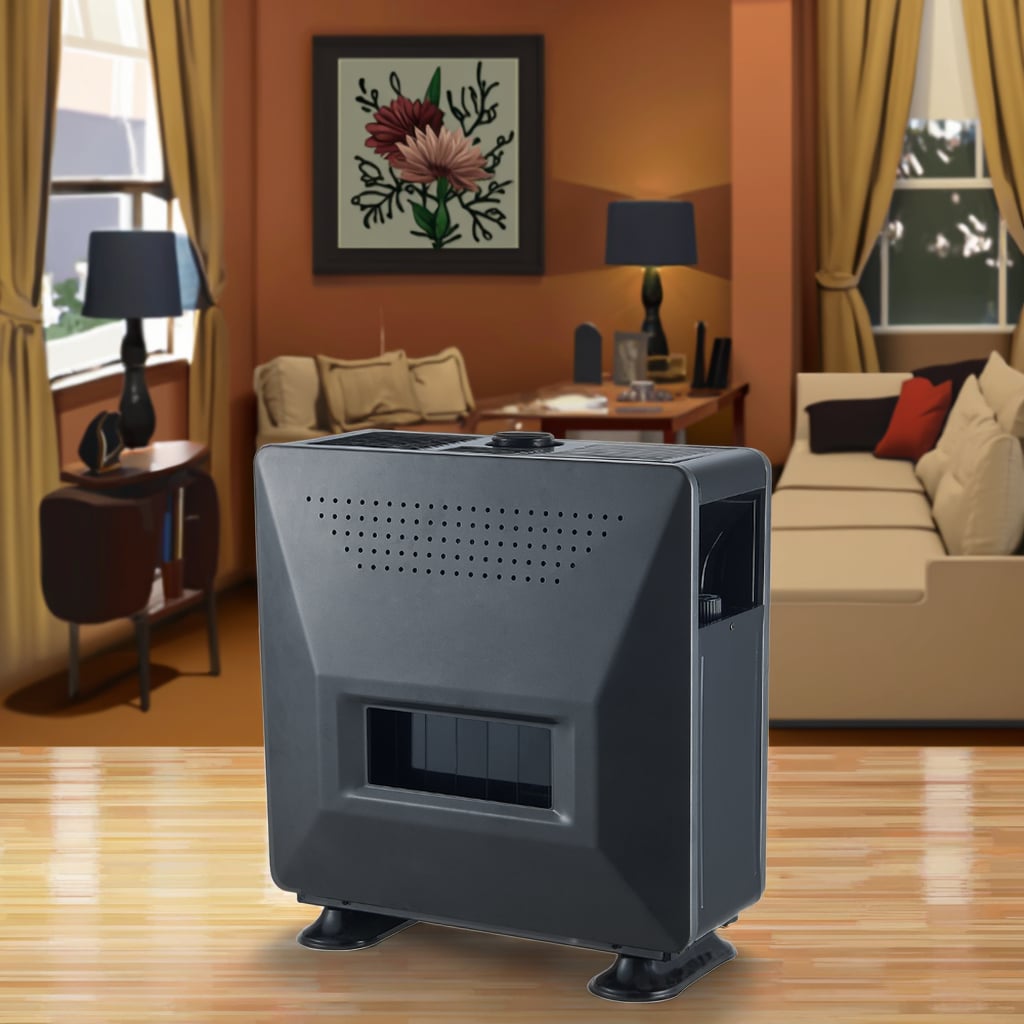
Zbulimi i përfitimeve të ngrohësit inteligjent me infrigjerë
Zgjidhjet moderne të ngrohjes janë zhvilluar në mënyrë të konsiderueshme, me ngrohës infratermik inteligjent teknologjinë që udhëheq nismën në sistemet e ngrohjes energjetikisht efikase për shtëpi dhe zyra. Këto pajisje inovative kombinojnë parimet tradicionale të ngrohjes me infrigjirku me kontrollues inteligjentë, duke krijuar një përvojë ngrohjeje që është njëkohësisht e rehatshme dhe ekonomike. Spre ndryshe nga metodat konvencionale të ngrohjes që ngrohin ajrin, ngrohësit me infrigjirku ngrohin direkt objektet dhe sipërfaqet, ofrojnë ngrohje menjëhershe ndërkohë që harxhojnë më pak energji. Integrimi i teknologjisë inteligjente lejon përdoruesit të kontrollojnë cilësimet e temperaturës, planifikimin dhe konsumin e energjisë nga distanca, duke bërë këto ngrohës një zgjedhje ideale për mjediset e jetës dhe të punës sot.
Kuptimi i Teknologjisë së Ngrohjes me Infra të Kuq
Shkenca Pas Rrezatimit Infra të Kuq
Ngrohja me rreze infrarenje funksionon në bazë të parimit të rrezatimit elektromagnetik, ngjashëm me mënyrën se si Dielli ngroh natyrshëm Tokën. Këto ngrohëse emetojnë valë infrarenje që udhëtojnë përmes ajrit pa e ngritur atë, por duke ngrohur drejtpërdrejt objektet, mobiljet dhe njerëzit brenda rrezes së tyre. Ky metodë e ngrohjes direkte krijon një ngrohtësi më të natyrshme dhe të këndshme që imiton ngrohjen diellore. Valët e gjatësi që prodhojnë ngrohësit me rreze infrarenje penetron sipërfaqet dhe krijojnë nxehtësi nga brenda, duke rezultuar në një ngrohtësi që zgjat më shumë madje edhe pasi pajisja është fikur. Ky dallim themelor nga ngrohja me konveksion e bën teknologjinë infrarenje veçanërisht efektive në hapësira me tavan të lartë ose në zona me qarkullim të shpeshtë ajri.
Efikasiteti i ngrohjes me infrakuqëzim rrjedh nga aftësia e saj për të kthyer pothuajse tërë energjinë elektrike në energji nxehtësie pa humbjet e lidhura me sistemet e qarkullimit të ajrit. Sistemet tradicionale të ngrohjes duhet së pari të nxehin ajrin, i cili më pas ngroh gradualisht objektet dhe njerëzit përmes konveksionit. Ky proces është nga natyra më pak efikas sepse ajri i nxehtë ngjitet lart dhe ikën, duke kërkuar hyrje të vazhdueshme energjie për të ruajtur temperatura të rehatshme. Ngrohësit me infrakuqëzim eliminon këtë joefikasitet duke krijuar nxehtësi rrezatuese që ndikon drejtpërdrejt në hapësirën e ngrohur pa u mbështetur në lëvizjen e ajrit.
Llojet e Elementëve të Ngrohjes me Infrakuqëzim
Njësitë e ngrohjes inteligjente me infrigjeri përdorin elemente të ndryshme nxehtësie, ku secili ka karakteristika dhe aplikime të veçanta. Elementët prej shkëmbi karboni ofrojnë shpërndarje të butë dhe të barabartë të nxehtësisë me kohë të shkurtër ngrohjeje, gjë që i bën idealë për aplikime rezidenciale. Këta elementë ruajnë temperatura të qëndrueshme dhe kanë jetëgjatësi më të gjatë krahasuar me sistemet tradicionale me spirale. Elementët keramikë të nxehtësisë ofrojnë mbajtje të shkëlqyeshme të nxehtësisë dhe qëndrueshmëri, duke siguruar ngrohje të vazhdueshme për periudha të gjata. Ata janë veçanërisht efikas në hapësira më të mëdha ku kërkohet ngrohje e vazhdueshme.
Elementët e ngrohjes me kuarc ofrojnë nxehtësi të fortë dhe të fokusuar shpejt, gjë që i bën të përshtatshëm për nevojat e menjëhershme të ngrohjes. Këta elementë përdoren zakonisht në ngrohës banjo dhe aplikime ngrohjeje vendi, ku dëshirohet rritje e shpejtë e temperaturës. Çdo lloj elementi mund të integrohet me kontrollues inteligjentë, duke lejuar përdoruesit të optimizojnë përvojën e tyre të ngrohjes bazuar në kërkesat specifike të dhomës dhe modelet e përdorimit. Zgjedhja e elementit të ngrohjes ka një ndikim të konsiderueshëm si në performancën e ngrohjes ashtu edhe në efikasitetin energjetik të sistemit në përgjithësi.
Veprime të Hirë dhe Lidhje
Sisteme Avansuara e Larg
Integrimi i teknologjisë inteligjente e transformon ngrohjen tradicionale me infra të kuqe në një sistem të sofistikuar të kontrollit të klimës. Modelet moderne të ngrohësve inteligjentë me infra të kuqe kanë lidhje WiFi, duke u lejuar përdoruesve të monitorojnë dhe rregullojnë cilësimet përmes aplikacioneve të telefonave inteligjentë nga kudo. Këto aplikacione ofrojnë të dhëna të konsumit të energjisë në kohë reale, monitorim të temperaturës dhe orare të personalizueshme të ngrohjes që përshtaten me rutinat e përditshme. Modelet e përparuara përfshijnë algoritme mësimore që studiojnë modelet e përdorimit dhe optimizojnë automatikisht ciklet e ngrohjes për efikasitet dhe rehati maksimale.
Termostati inteligjentë të integruar në këto sisteme ofrojnë kontroll të saktë të temperaturës me nivele saktësie që tejkalojnë sistemet tradicionale ngrohjese. Disa njësi kanë disa sensorë temperaturë që monitorojnë zona të ndryshme brenda një dhome, duke siguruar shpërndarje të njëtrajtshme të nxehtësisë dhe parandalimin e pikave të nxehta. Kompatibiliteti me kontroll me zë në platforma si Amazon Alexa dhe Google Assistant shton konveniencë, duke lejuar funksionimin pa dore dhe integrimin me ekosisteme më të gjera shtëpiake inteligjente.
Menaxhimi dhe Monitorimi i Energjisë
Ngrohësit inteligjentë me infra të kuqe shkëlqejnë në menaxhimin e energjisë përmes sistemeve të sofistikuara të monitorimit dhe kontrollit. Gjurmimi i energjisë në kohë reale i ndihmon përdoruesit të kuptojnë kostot e tyre të ngrohjes dhe të identifikojnë mundësitë e optimizimit. Shumë modele ofrojnë raporte të hollësishme përdorimi që e ndajnë konsumin e energjisë sipas periudhave kohore, duke lejuar planifikim më të mirë të buxhetit dhe strategji për kursimin e energjisë. Karakteristikat e planifikimit adaptiv e rregullojnë automatikisht ngrohjen bazuar në modelet e banimit, kushtet e motit dhe strukturat e tarifave të shërbimeve.
Disa sisteme të avancuara integrohen me metera inteligjentë dhe programe të kompanive të energjisë për të shfrytëzuar çmimet e ulëta gjatë orëve të pazbarkuara dhe stimujt për përgjigjeje ndaj kërkesës. Këto veçori mund të zvogëlojnë në mënyrë të konsiderueshme shpenzimet për ngrohje, duke ruajtur njëkohësisht nivelin e komoditetit. Aftësia për të krijuar zona ngrohjeje brenda hapësirave më të mëdha lejon një ngrohje të synuar, duke eliminuar humbjen e energjisë në zonat e papërdorura. Ky qasje zonale mund të zvogëlojë konsumin e përgjithshëm të energjisë deri në tridhjetë përqind në krahasim me sistemet e ngrohjes së shtëpisë së tërë.
Efikasitet Energjetik dhe Larg dhe Larg të Kostit
Përfitimet e Efikasitetit Operativ
Efikasiteti operativ i teknologjisë së ngrohësit inteligjent me infrigjirë rrjedh nga metoda e ngrohjes direkte dhe kontrolluesit inteligjentë. Këto sisteme zakonisht arrijnë vlerësime efikasiteti prej nentëdhjetë e pesë për qind ose më të larta, gjë që do të thotë se pothuajse krejt hyrja elektrike shndërrohet në nxehtësi të përdorshme. Eliminimi i humbjeve të kanalizimeve, të cilat mund të përbëjnë njëzet deri në tridhjetë për qind të energjisë së ngrohjes në sistemet tradicionale, kontribon në mënyrë të konsiderueshme për efikasitetin e përgjithshëm. Kontrolluesit inteligjentë e rrisin më tej efikasitetin duke parandaluar ngrohjen e tepërt dhe duke eliminuar nevojën për rregullime të vazhdueshme të temperaturës.
Së bashku me sistemet me ajër të detyruar që duhet të ngrohin vëllime të tëra ajri, ngrohësit me infrigjirinë krijojnë rehati në temperatura më të ulëta ambientale sepse ngrohin direkt banorët dhe sipërfaqet. Kjo i lejon përdoruesve të ruajnë rehatinë duke vendosur termostatet tre deri pesë gradë më të ulëta sesa sistemet e ngrohjes konvencionale, gjë që rezulton në kursime të mëdha energjie. Mundësia e ndezjes së menjëhershme eliminon periudhat e ngrohjes, ofron rehati të menjëhershme pa humbje energjie gjatë cikleve të nisjes.
Analiza e Kostos në Afat të Gjatë
Përfitimet financiare të sistemeve inteligjente të ngrohësve me infrigjirinë shtrihen përtej konsumit të reduktuar të energjisë. Kërkesat më të ulëta për mirëmbajtje rrjedhin nga numri më i vogël i pjesëve lëvizëse dhe mungesa e sistemeve të filtrimit të ajrit që kërkojnë zëvendësim të rregullt. Jetëgjatësia tipike e elementëve të ngrohjes me infrigjirinë tejkalon njëzet vitet me mirëmbajtje minimale, krahasuar me sistemet tradicionale të ngrohjes që mund të kërkojnë riparime të mëdha ose zëvendësim çdo dhjetë deri pesëmbëdhjetë vjet.
Kostot e instalimit të ngrohësve infratermikë janë në përgjithësi më të ulët sesa ato të sistemeve të nxehtësisë qendrore, sepse nuk kërkojnë kanale ajri ose infrastrukturë komplekse. Kjo i bën veçanërisht tërheqëse për shtesa dhomash, hapësira të konvertuara ose ndërtesa ku instalimi i një sistemi tradicional do të ishte i shtrenjtë ose jo i praktikueshëm. Natyra modulare e nxehtësisë infratermike lejon zgjerim gradual të sistemit kur nevojat ndryshojnë, duke shpërndarë kështu kostot e investimit në kohë, ndërkohë që ofron përfitime menjëhershe në zonat e reja të nxehta.
Marrëveshjet për Shëndetin dhe Komoditetin
Përfitimet për Cilësinë e Ajrit të Brendshëm
Sistemet e ngrohjes inteligjente me infrigjerë ofrojnë përfitime të konsiderueshme për cilësinë e ajrit brenda ambientit në krahasim me metodat konvencionale të ngrohjes. Mungesa e qarkullimit të ajrit të detyruar elimikon shpërndarjen e pluhurit, alergjenëve dhe grimcave të tjera të ajrit që mund të rëndojnë gjendjet respiratore. Kjo e bën ngrohjen me infrigjerë veçanërisht të dobishme për individët me alergji, ashtma ose ndjeshmëri respiratore të tjera. Mungesa e lëvizjes së ajrit parandalon gjithashtu efektin e thatësisë të shoqëruar me sistemet me ajër të detyruar, duke ruajtur nivele më të këndshme lagiesh.
Ngrohja me infrarenjë nuk krijon kurrante konveksioni që mund të ngulin pluhurin e depozituar dhe ta shpërndajnë nëpër hapësirat e jetës. Kjo rezulton me ajër më të pastër dhe nevojë më të ulët për pastrim të mobilieve dhe sipërfaqeve. Ngrohja e butë, e rrezatshme nuk krijon mbushjen që lidhet zakonisht me sistemet e nxehtësisë së ajrit, duke ruajtur një mjedis më të këndshëm dhe të frymëmarrshëm. Shumë përdorues raportojnë përmirësim të cilësisë së gjumit dhe zvogëlim të irritimeve respiratore kur kalohen në sisteme ngrohjeje me infrarenjë.
Përfitime terapeutike dhe të mirëqenies
Nxehtësia e shkëlqyeshme që prodhohet nga ngrohësit me infra të kuq ofron përfitime terapeutike potenciale të ngjashme me ato që sigurohen nga saunat me infra të kuq dhe pajisjet mjekësore. Ngrohtësia e thellë mund të ndihmojë në përmirësimin e qarkullimit, zvogëlimin e tensionit muskulor dhe lehtësimin e ngurtësisë së nyjeve. Kjo bën që sistemet e ngrohësve inteligjentë me infra të kuq të jenë veçanërisht tërheqëse për përdoruesit e moshuar ose individët me artrozë dhe kushte të tjera inflamatore. Ngrohtësia e vazhdueshme dhe e butë krijon një ambient më të rehatshëm për terapi fizike dhe aktivitete rehabilitimi.
Së bashku me nxehtësinë të thatë dhe të fortë të disa sistemeve konvencionale, ngrohja me infrigjërmbë gjendet natyrale dhe e këndshme. Efekti i drejtpërdrejtë i nxehtësisë do të thotë që përdoruesit ndihen të ngrohtë menjëherë pas hyrjes në një hapësirë të ngrohur, pa pritur që temperatura e ajrit të ngrihet. Ky komoditet i menjëhershëm është veçanërisht i vlefshëm në banjo, dhoma gjumi dhe zona të tjera ku dëshirohet ngrohje e shpejtë. Mungesa e zonave të nxehta dhe të ftohta krijon një ambient më uniformisht të këndshëm në tërë hapësirat e ngrohura.
Marrëveshje të instalimit dhe zbatimit
Opsione Instalimi për Zonat Banesore
Opsionet e instalimit të ngrohësit inteligjent me infrigjirë variojnë nga njësitë e thjeshta me plug-in deri te sistemet e lidhura me kabllon që montohen në tavan, duke ofruar fleksibilitet për aplikime të ndryshme rezidenciale. Njësitë portative ofrojnë përfitimin e relokimit të lehtë dhe nuk kërkojnë instalim, gjë që i bën ideale për qiranuesit ose nevojat e ngrohjes së stinës. Njësitë e montuara në mur ofrojnë zgjidhje të përhershme ngrohjeje, ruajnë hapësirën e dyllit dhe ofrojnë shpërndarje të mirë nxehtësie. Panelet e montuar në tavan ofrojnë shpërndarjen më të efikete të nxehtësisë dhe janë ideale për dhomat me hapësirë të kufizuar muri.
Procesi i instalimit për shumicën e ngrohësve infratermikë është i thjeshtë dhe shpesh mund të kryhet nga pronarët me njohuri bazike elektrike. Megjithatë, sistemet e lidhura me kabllon dhe instalimet në tavan zakonisht kërkojnë punë elektrike profesionale për të siguruar sigurinë dhe përputhshmërinë me kodet. Vendosja e duhur është e rëndësishme për performancën optimale, duke përfshirë konsiderata si vendosja e mobilieve, modeli i lëvizjes në dhomë dhe veçoritë arkitekturore që mund të ndikojnë në shpërndarjen e nxehtësisë.
Aplikime komerciale dhe zyrtare
Në mjediset komerciale, sistemet e mençura të ngrohësve infratermikë ofrojnë zgjidhje ngrohjeje të synuara që mund të ulin në mënyrë të konsiderueshme koston operative. Ndërtesat e zyrave përfitojnë nga mundësia e ngrohjes së zonave ose kateve të veçanta pavarësisht nga njëra-tjetra, duke lejuar nivele të personalizuara kënaqësie, ndërkohë që minimizohen humbjet e energjisë në zonat e pabanuara. Funksionimi i heshtur i ngrohësve infratermikë i bën të përshtatshëm për mjediset e hapura të zyrave, ku zhurmat nga sistemet tradicionale HVAC mund të jenë të shqetësueshme.
Hapësirat e tregtisë përfitojnë veçanërisht nga ngrohja me infrigjërëm sepse mund të krijojnë mjedise të rehatshme blerjeje pa shpenzimet e energjisë që lidhen me ngriturjen e vëllimeve të mëdha ajri. Ngrohtësia e menjëhershme e ofruar nga sistemet me infrigjërëm është veçanërisht e vlefshme në zonat me hapje të shpeshta dyresh, ku sistemet tradicionale të ngrohjes kanë vështirësi të ruajnë temperatura të qëndrueshme. Magazinat dhe aplikimet industriale përfitojnë nga aftësia për të ofruar ngrohje pikësore për vendet e punës pa i ngritur tërë objektet.
Mirëmbajtja dhe zgjidhja e problemeve
Kërkesat e mirëmbajtjes rutinë
Kërkesat e mirëmbajtjes së ngrohësit inteligjent me infra të kuq janë minimale në krahasim me sistemet tradicionale ngrohëse, gjë që i kontribuon efektivitetit të tyre të kostos në afat të gjatë. Pastroja e rregullt e elementëve ngrohës dhe sipërfaqeve reflektuese siguron daljen më të mirë të nxehtësisë dhe parandalon grumbullimin e pluhurit që mund të zvogëlojë efikasitetin. Shumica e njësive kërkojnë vetëm pastrim periodik me një leckë të butë kur njësia është e ftohtë dhe e çlidhur. Mungesa e pjesëve lëvizëse eliminon nevojën për vajosje, zëvendësim të rripave ose mirëmbajtje motori, gjëra të zakonshme te sistemet konvencionale.
Funksionet inteligjente përfshijnë kapacitete diagnostikuese që monitorojnë performancën e sistemit dhe njoftojnë përdoruesit për probleme potenciale para se të bëhen probleme serioze. Shumë modele ofrojnë kujtesa mirëmbajtjeje përmes aplikacioneve mobile, duke siguruar që detyrat e zakonshme të kujdesit të mos injorohen. Zëvendësimi i filtrave nuk kërkohet pasi ngrohësit me infra të kuq nuk rrotullojnë ajër, duke eliminuar një tjetër shpenzim dhe detyrë të zakonshme mirëmbajtjeje të lidhur me sistemet tradicionale ngrohëse.
Probleme Të Renditura dhe Zgjidhje
Edhe pse sistemet e ngrohësve inteligjentë me infra të kuq janë në përgjithësi të besueshëm, njohja e problemeve të zakonshme mund t'i ndihmojë përdoruesit të ruajnë performancën optimale. Problemet e lidhjes WiFi janë mes shqetësimeve më të shpeshta, të cilat shpesh zgjidhen përmes përmirësimit të afërsisë me router-in ose përmes diagnostikimit të rrjetit. Përditësimet e software-it nganjëherë shkaktojnë probleme të përkohshme funksionaliteti, por këto zakonisht zgjidhen përmes mbështetjes së prodhuesit ose përditësimeve automatike. Dëmtimi i elementit të ngrirjes me kalimin e kohës është i rregullt, por mund të vonohet përmes përdorimit dhe mirëmbajtjes së duhur.
Kalibrimi i sensorit të temperaturës nganjëherë mund të zhvendoset, duke kërkuar rikalibrim përmes kontrollave inteligjente ose shërbimit profesional. Shumica e njësive moderne përfshijnë veçori vetëdiagnostikuese që identifikojnë dhe raportojnë probleme specifike, duke e bërë diagnostikimin më të thjeshtë. Mbështetja e prodhuesit për veçoritë inteligjente është zakonisht e gjerë, me mundësi diagnostikimi nga distanca dhe udhëzime të hollësishme diagnostikimi në dispozicion përmes aplikacioneve celularë ose portaleve online.
Faqja kryesore
Sa shumë elektricitet konsumon një ngrohës inteligjent me infrigjërëse në krahasim me ngrohjen tradicionale
Ngrohësit inteligjentë me infra të kuqe zakonisht konsumojnë njëzet deri në dyzet përqind më pak energji elektrike sesa sistemet konvencionale të ngrohjes për nivele ekuivalente komoditeti. Ky efikasitet vjen nga ngrohja direkte që eliminon humbjet në kanale dhe lejon cilësime më të ulëta të termostatit duke ruajtur komoditetin. Kursimet e sakta varen nga faktorë duke përfshirë madhësinë e dhomës, cilësinë e izolimit, modelet e përdorimit dhe kushtet lokale klimatike. Kontrollet inteligjente zvogëlojnë më tej konsumin përmes planifikimit të optimizuar dhe rregullimeve automatike bazuar në banim dhe kushtet e motit.
A mund të ngrohin me efikasitet dhoma të mëdha ose shtëpi të tëra me ngrohës inteligjentë me infrigjërëse
Ngrohësit inteligjentë me infrigjërkanë mund të ngrohin në mënyrë efektive dhoma të mëdha dhe shtëpi të plota, kur janë të përzgjedhur me madhësi të duhur dhe të vendosur strategjikisht. Disa njësi mund të koordinohen përmes kontrollave inteligjentë për të krijuar sisteme të kompletuara ngrohjeje me mundësi kontrolli zonal. Kyç i kësaj është zgjedhja e vlerave të duhura të fuqisë në vat për madhësinë e dhomave dhe sigurimi i mbulimit të mjaftueshëm përmes vendosjes së duhur. Panelët e montuar në tavan janë veçanërisht efikas për hapësira më të mëdha, duke ofruar shpërndarje të barabartë nxehtësie nga lart. Një vlerësim profesional mund të jetë i dobishëm për aplikimet në shtëpi të plota, për të optimizuar dizajnin dhe performancën e sistemit.
A ka shqetësime për sigurinë me teknologjinë e ngrohjes me infrigjërkanë
Ngrohësit inteligjentë modernë me infrigjerër përfshijnë veçori të plota të sigurisë, përfshirë mbrojtje nga nxehtësia e tepërt, çelësa kundër rrëzimit dhe sipërfaqe që mbeten të ftohta. Elementët e ngrohjes zakonisht funksionojnë me temperatura më të ulëta në sipërfaqe krahasuar me ngrohësit tradicionalë hapësinorë, duke zvogëluar rreziqet e djegies. Kontrolluesit inteligjentë shtojnë përfitime sigurie përmes monitorimit nga distanca dhe mundësisë së fikjes automatike. Ngrohësit me infrigjerër nuk prodhojnë gaze djegie apo nuk konsumojnë oksigjen, duke eliminuar rreziqet e monooksidit të karbonit që lidhen me ngrohjen me gaz. Instalimi i duhur dhe respektimi i udhëzimeve të prodhuesit garantojnë funksionim të sigurt për aplikime rezidenciale dhe komerciale.
Sa kohë zgjasin zakonisht elementët e ngrohjes me infrigjerër para se të zëvendësohen
Elementët e ngrohjes me infrigjerë të cilësisë zakonisht zgjasin pesëmbëdhjetë deri në njëzet e pesë vjet me përdorim normal, shumë më tepër se komponentët e sistemeve të ngrohjes konvencionale. Elementët nga fibra karboni dhe elementët keramikë ofrojnë në përgjithësi jetëgjatësinë më të gjatë, ndërsa elementët prej kuarc mund të kërkojnë zëvendësim më të shpeshtë por ende i tejkalon qëndrueshmërinë e elementëve tradicionalë të ngrohjes. Sistemet inteligjente të monitorimit mund të gjurmojnë performancën e elementeve dhe të parashikojnë nevojat për zëvendësim, duke lejuar planifikimin proaktiv të mirëmbajtjes. Dizajni modular i shumicës së ngrohësve me infrigjerë lejon zëvendësimin e veçantë të elementeve në vend të zëvendësimit të tërësisht të pajisjes, duke ulur koston afatgjatë dhe duke zgjatur jetëgjatësinë e përgjithshme të sistemit.