EN
EN


Si Mund ta Zgjidhni Problemet e Zakonshme me Ngrohësin tuaj Gazi për Dhomë?
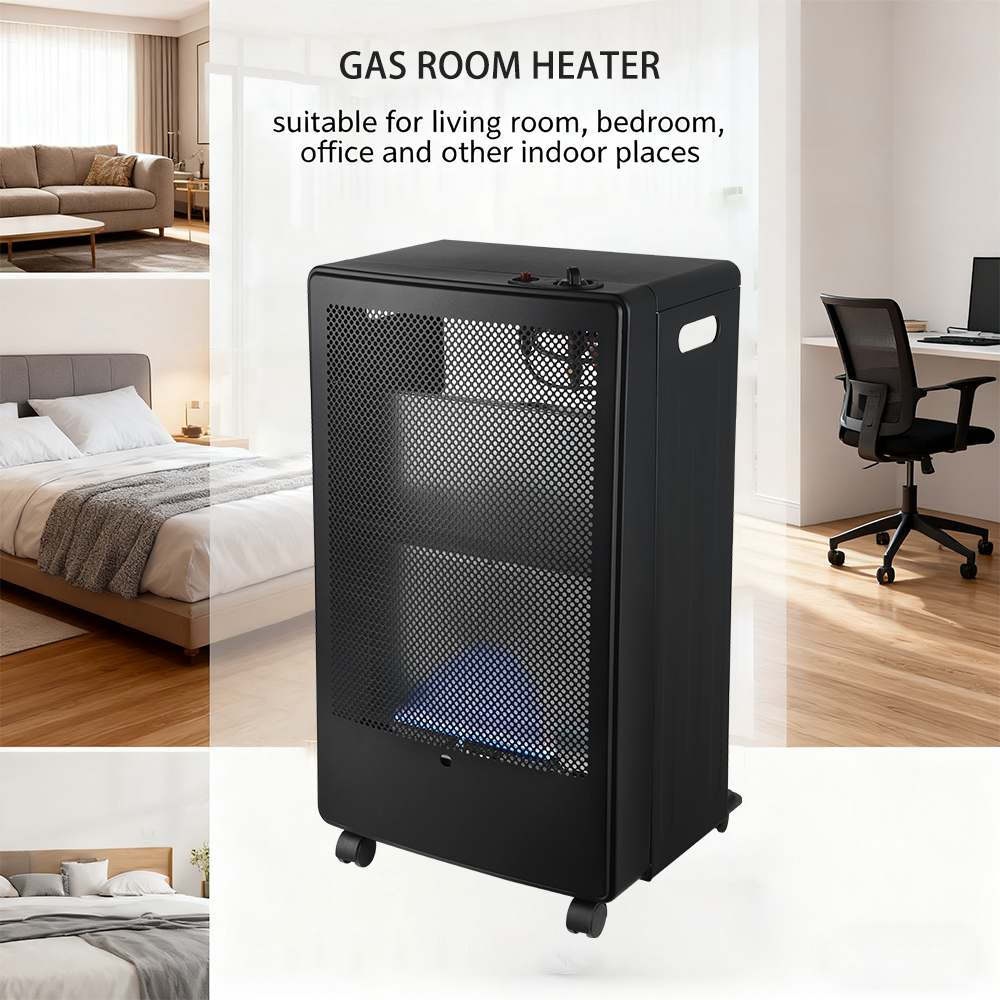
Kur vjen dimri dhe temperaturat bëhen të ulëta, një shllakues Gaze për Dhomë bëhet një komponent i thelbëshëm i çdo ambienti të brendshëm të këndshëm. Këto sisteme ngrohjese efikase ofrojnë ngrohtësi të qëndrueshme, duke ofruar një funksionim ekonomik në krahasim me alternativat elektrike. Megjithatë, siç ndodh me çdo pajisje mekanike, ngrohësit gaz mbi siperfaqe mund të pësojnë sfida të ndryshme operative që mund të komprometojnë performancën ose sigurinë e tyre. Njohja e mënyrës së identifikimit dhe zgjidhjes së problemeve të zakonshme garanton që sistemi juaj i ngrohjes të vazhdojë të funksionojë në mënyrë efikase gjatë muajve të ftohtë, ruajtje e standardeve optimale të sigurisë për shtëpinë apo vendin e punës tuaj.
Njohja e Parimeve Bazë të Ngrohësve me Gaz
Përbërësit Themelorë dhe Parimet e Funksionimit
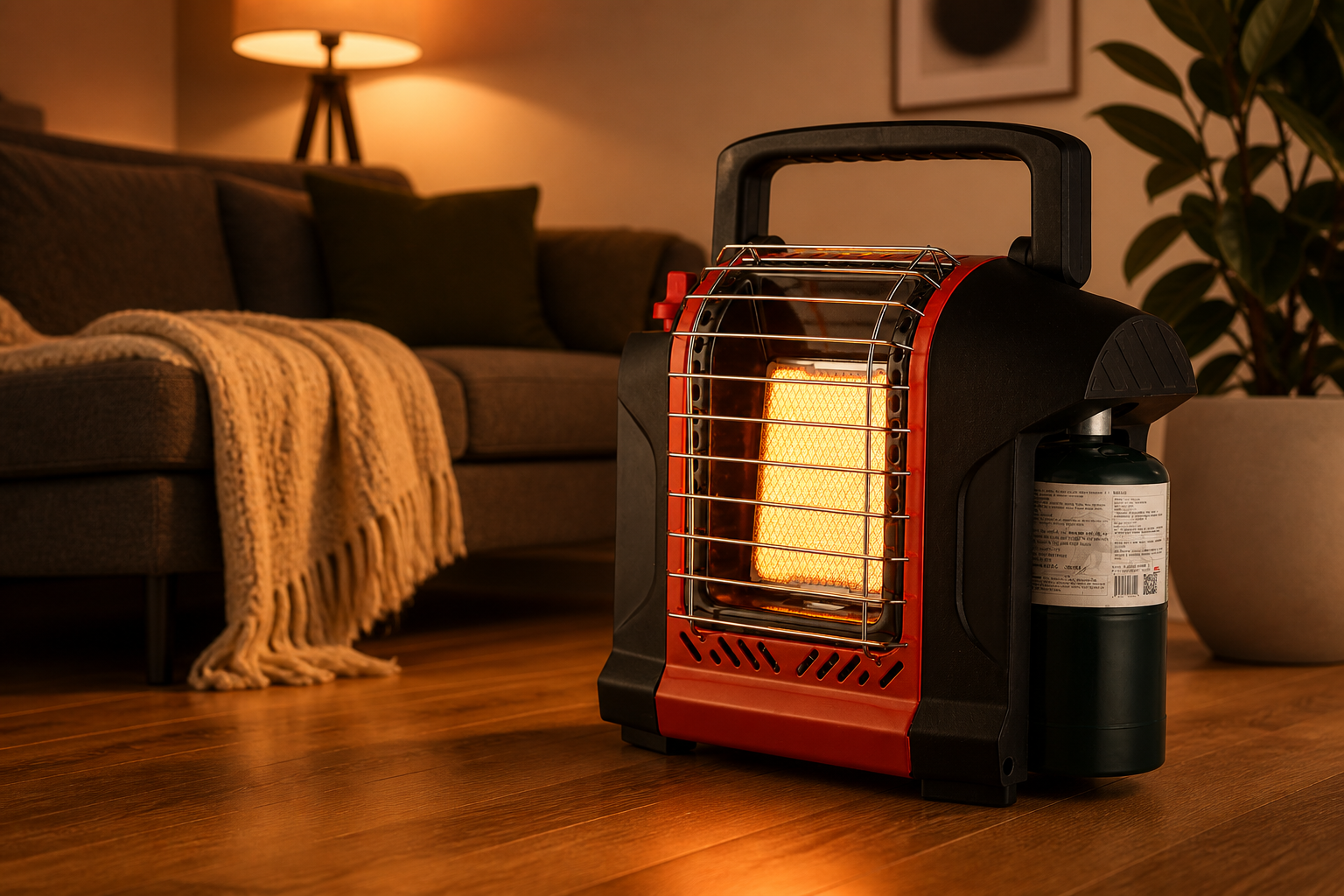
Një ngrohës gaz në dhomë funksionon përmes një sistemi të sofistikuar komponentësh të ndërlidhur që punojnë së bashku për të kthyer gazin natyral ose propanin në energji nxehtësie. Elementët kryesorë përfshijnë grupin e djegësit, shkëmbyesin e nxehtësisë, sistemin e ndezjes, kontrollat e sigurisë dhe mekanizmat e ventilimit. Djegësi krijon një flakë të kontrolluar që nxehtëzon shkëmbyesin e nxehtësisë, i cili më pas transmeton energjinë termike ajrit rrethues përmes proceseve të konveksionit dhe të radiacionit. Kuptimi i këtyre operimeve themelore i ndihmon pronarët e shtëpive të vërejnë kur disa komponentë specifik mund të jenë duke funksionuar keq dhe kërkojnë vëmendje.
Sistemi i ndezjes shërben si pikë kritike fillestare për njësitë tuaja të ngrohjes, duke përdorur një dritë pilot ose ndezje elektronike për të nisur djegien. Njësitë moderne zakonisht kanë sisteme ndezjeje elektronike që ofrojnë nisje më të besueshme dhe eficiencë më të mirë energjetike në krahasim me konfigurimet tradicionale me dritë pilot. Kontrollot e sigurisë monitorojnë parametra të ndryshëm operativë, përfshirë praninë e flakës, shtypjen e gazit dhe nivelet e temperaturës, duke çaktivizuar automatikisht sistemin nëse zbulohen kushte të rrezikshme.
Mekanizma Sigurie dhe Sisteme Kontrolli
Ngrohësit e dhomës me gaz të kohëve të sotme përfshijnë shumë veçori të sigurisë që janë të dizajnuara për të parapritur aksidentet dhe për të siguruar një funksionim të besueshëm. Sensori i epërsisë së oksigjenit monitoron cilësinë e ajrit dhe e çaktivizon automatikisht pajisjen nëse niveli i oksigjenit bëhet rrezikshëm i ulët. Çelësi i rrëzimit e ndërpret menjëherë rrjedhën e gazit nëse ngrohësi rëndom rëzon, duke parapritur mundësi të zjarreve. Për më tepër, sistemet e mbrojtjes kundër ngrohjes së tepërt monitorojnë temperatën e brendshme dhe paraprisin ngarkesën e tepërt të nxehtësisë që mund të dëmtojë pjesët ose të krijojë rrethe të rrezikshme.
Kontrolluesit e termostatit lejojnë një menaxhim të saktë të temperatës, duke ulur konsumin e energjisë përmes ciklimesh automatike. Këto sisteme vazhdimisht monitorojnë temperatën e ambientit dhe rregullojnë rrjedhën e gazit sipas nevojës, duke mbajtur një nivel të qëndrueshëm të komoditetit pa konsum të panevojshëm të karburit. Kuptimi i mënyrës se si funtojnë këto mekanizma kontrolli i bën të mundur për përdoruesit të identifikojë kur problemet e kalibrimit ose dëmtime të pjesëve mund të kenë efekt negativ në performancë.
Diagnozimi i Problemave të Ndizjes dhe Fillimit
Probleme dhe Zgjidhje të Dritës së Pilotit
Një nga problemet më të shpeshta që hasen me sistemet e ngrohjes me gaz lidhet me problemet e dritës së pilotit që pengojnë ndjenjtën e duhur. Nëse drita juaj e pilotit nuk rri e ndezur, disa faktorë mund të jenë përgjegjës, përfshirë orificet e ndotura ose të bllokuara të pilotit, termokupla të defecte ose presion i pavolitshëm i gazit. Filloni diagnostikimin duke pastruar me kujdes pjesën e pilotit duke përdorur një furçë të vogël ose ajër të komprimuar për të hequr pluhurin dhe mbeturinat e akumuluara që mund të pozojnë rrjedhjen e gazit.
Termokupla, një pajisje sigurie që zbulon praninë e flakës së pilotit, mund të kërkojë zëvendësim nëse nuk gjeneron mjaftueshëm rrymë elektrike kur ngrohet. Kjo pjesë zakonisht tregon shenja ftiheje pas disa vjetëve funksionimi, gjë që rezulton në dështime të ndërprera ose të plota të ndezjes. Kur zëvendësoni një termokuplë, sigurohuni që pozicionimi i saj të jetë i saktë, në mënyrë që majëzja e sensorit të mbetet në flakën e pilotit, duke ruajtur një lidhje elektrike të mjaftueshme me valvulën e kontrollit.
Zgjidhja e Problemeve të Sistemit të Ndizjes Elektronike
Sistemet e ndizjes elektronike ofrojnë besueshmëri të përmirësuar, por mund të përjetojnë sfida unike që kërkojnë qasje të ndryshme për zgjidhjen e problemeve. Nëse pajisja juaj nuk ndizet, verifikoni së pari se rryma elektrike po arrij tek moduli i ndizjes, duke kontrolluar ndërprerësit e qarkut dhe duke u siguruar që lidhjet e prizës janë të sakta. Elektrodët e shkëndijes mund të grumbullojnë depozita karboni ose të zhvendosen, gjë që pengon ndezjen e besueshme të përzierjes së gaz-it me ajrin.
Përshtjellja e sipërfaqeve të elektrodave me letrë të imët ose rëndë mund të rikthejë aftësinë e duhur të shkëndërimit, ndërkohë që rregullimi i boshllëkut midis elektrodave siguron intensitetin optimal të shkëndërisë. Moduli i kontrollit të ndezjes vetëm mund të dështojë pas përdorimit të gjatë, duke kërkuar zëvendësim profesional për të rikthyer funksionimin normal. Gjithmonë ta largoni energjinë para se të kryeni çdo mirëmbajtje të komponentëve elektrikë për të parapritur rreziqet e goditjes elektrike.
Zgjidhja e Problemeve të Performancës së Ngrohjes
Diagonsimi i Nxehtësisë së Pavdekshme
Kur mashina juaj shllakues Gaze për Dhomë nuk prodhon ngrohtësinë e duhur, disa shkaqe të fshihura mund të jenë përgjegjëse për performimin e ulët. Portat e prera të ndotura ose të bllokuara përmbanin shkakun më të zakonshëm, pasi pluhuri i akumuar, lënda ose mbeturina e kufizojnë rrjedhjen e gazit dhe paraprisin djegien e plotë. Përcjellja e këtyre komponentëve me mjete dhe teknika të duhura mund të rikthejë nxehjen optimale dhe të përmirësojë efikasitetin e përgjithshëm të sistemit.
Presioni i pavolitshëm i gazit nga vija e furnizimit mund të ketë një ndikim të konsiderueshëm në performancën e ngrohjes, veçanërisht gjatë periudhave të kërkesës maksimale kur shumë pajisje garojnë për karburantin e disponueshëm. Kontaktoni furnizuesin tuaj të gazit për të verifikuar nëse presioni i furnizimit i përshtatet specifikimeve të prodhuesit, pasi kushtet me presion të ulët kërkojnë rregullim profesional për të rikthyer funksionimin e duhur. Për më tepër, kontrolloni regulatorin e gazit për shenja dëmtimi ose fërcimi që mund të ndikojnë në rregullimin e presionit.
Zgjidhje për Shpërndarjen Jo të Njëtrajtshme të Nxehtësisë
Modelet jo të njëtrajtshme të nxehtësisë shpesh tregojnë probleme me rrjedhën e ajrit brenda sistemit ose me prishjen e shkëmbimit të nxehtësisë që pengon transferimin e duhur termik. Hyrjet e bllokuara të ajrit ose daljet e ajrit të nxjerrë mund të krijojnë probleme qarkullimi që rezultojnë me zona të nxehta afër pajisjes, ndërsa lejojnë hapësira të largëta të ngrohen keq. Inspektoni të gjitha hapjeve ventiluese për pengesa dhe pastrojini me kujdes për të rikthyer modele të sakta rrjedhje ajri.
Sipërfaqet e përkëmbësit të nxehtësisë mund të grumbullojnë tym ose depozita korrozive që izolojnë metalin dhe zvogëlojnë efikasitetin e kalimit të nxehtësisë. Mund të jetë e nevojshme pastrimi profesional ose zëvendësimi i pjesëve të dëmtuara të përkëmbësit të nxehtësisë për të rikthyer shpërndarjen uniforme të nxehtësisë në tërë hapësirën. Konsideroni gjithashtu vendosjen e pajisjes tuaj ngrohëse, pasi pozicionimi i gabuar mund të krijojë zona të qëndrueshme shtytëse që pengojnë shpërndarjen efektive të nxehtësisë.
Zgjidhja e Shqetësimeve të Sigurisë dhe Sinjaleve Paralajmëruese
Zbulimi dhe Parandalimi i Çarjeve të Gazit
Çarjet e gazit paraqesin rrezik serioz sigurie që kërkojnë vëmendje menjëhershe dhe procedura të duhura reagimi. Erëra karakteristike e gazit natyror, e cila shpesh përshkruhet si e ngjashme me vezët e prishura, shërben si sinjal kryesor paralajmërues për çarjet e mundshme. Nëse vini re këtë erë afër sistemit tuaj të ngrohjes, fikni menjëherë furnizimin me gaz, ventiloni hapësirën dhe kontakti teknikët e kualifikuar shërbimi para se të provoni ndonjë riparim.
Inspektimi vizual i lidhjeve të gazit mund të zbulojë montime të lira, tuba të korrozuar ose konektorë të dëmtuar që mund të lejojnë daljen e gazit. Përdorni solucione me ujë të perret në zonat e dyshuara për rrjedhje dhe mbani sytë hapur për formimin e flluskave që tregojnë daljen e gazit nga sistem. Kurrëmos përdorni flaka të hapura ose pajisje elektrike për të testuar rrjedhjet e gazit, pasi këto mund të shkaktojnë zjarr ose eksploziona të rrezikshme.
Mirëmbajtja e rregullt përfshin kontrollin e tërë lidhjeve të gazit për ngurtësinë dhe zëvendësimin e konektorëve të vjetër që mund të zhvillojnë cracks ose të konsumohen me kalimin e kohës. Instalimi profesional dhe inspektimet vjetore të sigurisë ndihmojnë të identifikohen burimet e mundshme të rrjedhjeve para se të bëhen rreziqe të rënda.
Masat e Parandalimit të Monoksidit të Karbonit
Intoksikimi me monooksid karboni përfaqëson një kërcënim të fshehtë por vdekjeprurës nga pajisjet gazore që funksionojnë keq dhe pësojnë djegie të paplotë. Ky gaz i pangjyrë dhe pa erë mund të grumbullohet në hapësira të mbyllura dhe të shkaktojë probleme serioze shëndetësore ose vdekje, nëse nuk zbulohet me shpejtësi. Instaloni detektorë monooksidi karboni në zona pranë ngrohësit tuaj gaz dhe kontrolloni i rregullisht për të siguruar funksionimin e duhur.
Shenjat e djegies së paplotë përfshijnë flaka të verdha ose portokalli në vend të ngjyrës normale blu, grumbullim hiri rreth zonës së djegies dhe kondensim i tepërt në dritare ose sipërfaqe afër ngrohësit. Këto kushte tregojnë se janë nevojitur rregullime ose riparime për të rikthyer djegien e rregullt dhe për të parandaluar prodhimin e monooksidit të karbonit.
Ventilimi i mjaftueshëm mbetet themelor për funksionimin e sigurt, pasi një furnizim i pakëndshëm me ajër mund të shkaktojë djegie të paplotë edhe në pajisje që funksionojnë si duhet. Sigurohuni që hyrjet dhe daljet e ajrit të mbeten të papashira, dhe kurrë mos përdorni ngrohës gaz në dhoma të mbyllura pa dispozitive adekuate ventilimi.
Praktikat Më të Mirë për Mirëmbajtje Për Performancë Optimale
Pasterimi i Rregullt dhe Kujdesi për Pjesët
Mirëmbajtja e rregullt zgjat në mënyrë të konsiderueshme jetëgjatësinë e ngrohësit tuaj gaz për dhomë, duke garuar një funksionim të sigurt dhe efikas gjatë gjithë sezonit të ngrohjes. Filloni çdo sezon me një pastrim të thellë të të gjitha pjesëve të arritshme, përfshirë kapakun e jashtëm, regullatorët dhe grate e ventilimit. Hiqni pluhurin dhe mbeturinat e grumbulluara që mund të pengojnë funksionimin e duhur ose të krijojnë rreziqe zjarri.
Pjesa e gjuajtësit kërkon pastrim periodic për të hequr depozitat e tymit dhe për të siguruar rrjedhjen e duhur të gazit nëpër të gjitha portat. Përdor shkresa dhe mjete pastruese të përshtatshme të dizajnuara për mirëmbajtjen e pajisjeve me gaz, dhe ndiqi udhëzimet e prodhuesit për procedurat e montimit dhe demontimit. Pastro ose zëvendëso filtra të ajrit nëse njësia juaj i ka, pasi filtrat e bllokuar kufizojnë rrjedhjen e ajrit dhe zvogëlojnë efikasitetin e ngrohjes.
Kontrollo lidhjet elektrike për shenjat e korrozionit ose të lëshimit që mund të shkaktojnë probleme në funksionim ose rreziqe për sigurinë. Ngushto lidhjet e lëshuara dhe zbatoni yndyrë dielektrike për të parandaluar korrozionet në të ardhmen. Kontrollo pjesët që lëvizin si motorët e ventilatorit dhe dampat për funksionimin e tyre të duhur dhe i vajtojnë siç rekomandon prodhuesi.
Shërbimi Profesional dhe Planet e Inspektimit
Ndërsa pronarët e shtëpisë mund të kryejnë shumë detyra të thjeshta mirëmbajtjeje, mirëmbajtja profesionale garzon që pjesët komplekse të marrin vëmendjen e duhur dhe sistemet e sigurisë të funksojnë si duhesh. Planifikoni kontrolla vjetore me teknikët e kualifikuar që mund të kryejnë vlerësime të plota të sistemeve, përfshirë testet e shtypjes së gazit, analizen e djegies dhe verifikimin e sistemeve të sigurisë.
Teknikistët profesional posedojnë mjete të specializuara dhe trajnim të nevojshëm për të diagnostikuar probleme komplekse që mund të mos jenë të dukshme gjatë mirëmbajtjes rutinë nga përdoruesi. Ata mund të identifikojnë modele fërcimi, degradim komponentësh dhe çështje sigurie që kërkojnë vëmendje menjëhershe ose mbikëqyrje në të ardhmen. Këto kontrollime shpesh zbulojnë probleme të vogla para se të bëhen dështime të mëdha që kërkojnë riparime të shtrenjta ose zëvendësim sistemi.
Mbajni regjistrime të hollësishme mirëmbajtjeje që dokumentojnë datat e shërbimit, riparimet e kryera dhe zëvendësimet e pjesëve. Kjo informacion ndihmon në identifikimin e problemeve të rikthitura dhe i bën teknikët të diagnostikojnë më efikasisht problemet gjatë thirrjeve të ardhshme për shërbim.
Strategjitë për Optimiçimin e Efikasitetit Energjetik
Analiza dhe Përmirësimi i Konsumit të Karburantit
Monitorimi i modeleve të konsumit të karburantit ndihmon në identifikimin e problemeve të efikasitetit dhe mundësive për përmirësim në funksionimin e ngrohësit tuaj me gaz. Gjurmoni përdorimin mujor të gazit dhe krahasojeni atë me ditët e nxehtësisë për të vendosur modele bazë të konsumit. Rritjet e papritura në përdorimin e karburantit zakonisht tregojnë probleme që po zhvillohen dhe që kërkojnë vëmendje para se të përkeqësohen.
Përcaktimi i madhësisë së duhur siguron që sistemi juaj i ngrohjes funksionon brenda diapazit të efikasitetit për të cilin është dizajnuar, pa cikle të shumta ose funksionim të vazhdueshëm. Njësitë me madhësi të madhe humbasin karburin përmes cikleve të shpeshta të nisjes dhe ndaljes, ndërsa sistemet me madhësi të vogla funksionojnë vazhdimisht pa arritur nivelet e dëshirëshme të temperatës. Llogaritjet profesionale të ngarkesës ndihmojnë në përcaktimin e madhësisë optimale për aplikime dhe konfigurime të dhomave të caktuara.
Programimi i termostatit dhe strategjitë e kontrollit të zonave mund të reduktojnë në mënyrë të konsiderueshme konsumin e karburantit, ruajtje të nivelit të komoditetit. Vendosni temperatura pak më të ulëta gjatë periudhave kur nuk ka prani dhe shfrytëzoni kontrollet programues për t'i rregulluar automatikisht oraret e ngrohjes bazuar në modele të pranisë.
Modifikime për Përmirësimin e Performancës
Disa modifikime mund të përmirësojnë efikasitetin dhe performancën e ngrohësve ekzistues të dhomës me gaz pa nevojën për zëvendësim të plotë të sistemit. Instalimi i pengesave reflektuese pas njësive të montuara në mur i ridrejton nxehtësinë në dhomë, në vend që t'i lejojë asaj të ikë përmes mureve të jashtëm. Këto shtesa të thjeshta mund të rrisin kapacitetin efektiv të ngrohjes duke ridrejtuar energjinë radiante aty ku ofron fitimin maksimal.
Ventilatorët e qarkullimit ndihmojnë në shpërndarjen më të barabartë të ajrit të ngrohur në tërë hapësirën, duke lejuar vendosjen e vlerave më të ulëta të termostatit, por duke ruajtur komoditetin. Këta ventilatorë mund të integrohen brenda njësitës së ngrohjes ose të instalohen veçmas për të përmirësuar modeleve të lëvizjes së ajrit. Ventilatorët e tavanit që funksionojnë me shpejtësi të ulëta gjatë stinës së ngrohjes ndihmojnë në përzierjen e ajrit të ngrohtë që ngjitet natyrshëm me ajrin më të ftohtë pranë nivelit të dyllkosë.
Përmirësimet e izolimit dhe sigurimi i ajrit zvogëlojnë kërkesën për ngrohje dhe lejojnë sisteme më të vogla dhe efikase ngrohjese të ruajnë kushte të rehatshme. Identifikoni dhe bllokoni rrjedhjet e ajrit rreth dritareve, derëve dhe përfshirjeve të tjera që lejojnë daljen e ajrit të ngrohur dhe hyrjen e ajrit të ftohtë në hapësirën e kondicionuar.
Pyetje të shpeshta
Pse ngrohësi im me gaz bën zhurma të pazakonta gjatë funksionimit?
Zhurmat e pazakonta nga ngrohësit me gaz mund të tregojnë probleme të ndryshme, në varësi të llojit dhe kohës së zërit. Zhurmët si thyerje ose crackling gjatë nisjes janë zakonisht normale, pasi pjesët metalike zgjerohen nga nxehtësia, por zhurmët e vazhdueshme si ringallëzim mund të tregojnë pajisje të liruara ose pluhur brenda njësisë. Zërat si fishekëzim shpesh sugjerojnë rrjedhë të kufizuar ajri përmes ventilave të marrjes ose të nxjerrjes, ndërsa zërat e klikimit gjatë funksionimit mund të tregojnë probleme me sistemin e ndezjes ose valvulën e gazit. Nëse zhurmat vazhdojnë ose rëndohen me kalimin e kohës, rekomandohet inspektimi profesional për të identifikuar dhe eliminuar shkaqet themelore.
Sa shpesh duhet të zëvendësoj bateritë në kontrolluesit elektronikë të ngrohësit me gaz?
Frekuenca e zëvendësimit të baterisë varet nga sistemi specifik i kontrollit dhe modeli i përdorimit, por shumica e prodhuesve rekomandojnë zëvendësimin vjetor në fillim të sezonit të ngrohjes. Niveli i ulët i tensionit të baterisë mund të shkaktojë funksionim të parregullt, dështime ndezjeje ose çaktivizim të plotë të sistemit, kështu që zëvendësimi i parashikuar parandalon këto probleme. Disa pajisje përfshijnë tregues të tensionit të ulët të baterisë që sinjalizojnë përdoruesit kur është e nevojshme zëvendësimi, ndërsa të tjerat mund të tregojnë simptoma operacionale si ndezje e vonuar ose ciklizim i ndërprerë. Përditni gjithmonë llojin e baterisë të specifikuar nga prodhuesi për të siguruar tensionin e duhur dhe funksionimin të besueshëm gjatë sezonit të ngrohjes.
Çfarë duhet të bëj nëse ngrohësi im me gaz në dhomë prodhon një flakë të verdhë ose të portokalltë në vend të të blu?
Një flamuj i verdhë ose portokalli tregon djegien e papërsosur që mund të prodhojë monokarbon të rrezikshëm dhe të zvogëlojë efikasitetin e ngrohjes. Kjo gjendje zakonisht rrjedh nga furnizimi i pakët me ajër, portat e ndotura të djegësit ose rregullimi i papërshtat i shtypjes së gazit. Menjëherë sigarohuni që ka ventilim të mjaftueshëm në zonë dhe kontrolloni për ventilat e hyrjes së ajër të bllokuara ose filtra që mund të kufizojnë rrjedhën e ajërit. Pastro portat e djegësit me kujdesi duke përdorur mjete të duhura për heqjen e mbeturinave të grumbulluara, dhe verifikoni që shtypja e gazit i plotëson specifikimet e prodhuesit. Nëse problemet me ngjyrën e flamujt vazhdojnë pas këtyre hapat, kontaktoni një teknikian të kualifikuar për diagnostifikimin dhe rregullimin profesional, pasi kjo paraqet një shqetje të rëndësishme për sigurinë.
A mund ta përdor ngrohësin e gazit në kushte të lagështa ose gjatë motit të keq?
Ngrohësit me gaz në dhomë mund të funksionojnë sigurt në kushte të lagështisë, duke pasur ventilim të duhur dhe masa kontrolli të lagështisë. Megjithatë, lagështia e tepërt mund të ndikojë në efikasitetin e djegies dhe të shkaktojë probleme kondensimi që mund të dëmtojnë pjesët me kalimin e kohës. Sigurojini një qarkullim të mjaftueshëm ajri për të parandaluar grumbullimin e lagështisë rreth pajisjes dhe konsideroni përdorimin e tharëseve të ajrit nëse kondensimi bëhet i problemshëm. Asnjëherë mos përdorni ngrohës me gaz në vende me ujë të gjendur ose ku ekspozohen direkt ndaj lagështisë, sepse kjo krijon rrezik serioz për sigurinë. Nëse zona juaj e ngrohjes përjeton përgjithmonë lagështi të lartë, një vlerësim profesional mund të përcaktojë modifikime të duhura të ventilimit ose zgjidhje alternative të ngrohjes.