EN
EN


NYHETER
Hur jämför sig en gasdriven vattenuppvärmare med elmodeller?
Att välja mellan en gasvattenberedare och en elektrisk modell är ett av de mest avgörande besluten en bostadsägare, anläggningsansvarig eller byggherre kan fatta. Valet påverkar daglig komfort, långsiktiga driftkostnader, installationskomplexitet och energieffektivitet på sätt som inte alltid är uppenbara vid första anblicken. Att förstå hur dessa två tekniker skiljer sig åt i verklig drift är avgörande innan man gör ett slutgiltigt val av system.
En gasvattenuppvärmare använder naturgas eller propan som bränslekälla för att snabbt värma vatten genom förbränning, medan elektriska modeller använder motståndsvärmeelement eller värmepumpsteknologi som drivs av el. Båda metoderna kan leverera pålitlig varmvattenförsörjning, men de gör det genom fundamentalt olika mekanismer, och dessa skillnader leder till olika fördelar och avvägningar beroende på din specifika situation. I den här artikeln jämförs de två systemen i alla dimensioner som är relevanta för en praktisk köpare.
Hur varje system värmer vatten
Förbränningsmekanismen i en gasvattenuppvärmare
En gasvattenuppvärmare fungerar genom att antända en gasbrännare som är placerad under eller runt lagertanken, eller i fallet med tanklösa enheter direkt i flödesbanan för inkommande vatten. Förbränningsprocessen genererar intensiv värme nästan omedelbart, vilken överförs till vattnet genom tankens väggar eller en värmeväxlare. Denna direkta värmeöverföring är mycket effektiv när det gäller hastighet, vilket gör att en gasvattenuppvärmare återställer sin fulla tankkapacitet betydligt snabbare än de flesta elektriska alternativen.
Återställningshastigheten är en av de mest anförda fördelarna med en gasvattenuppvärmare i miljöer med hög efterfrågan. I ett hushåll med flera badrum eller i en kommersiell miljö, till exempel en restaurang eller tvättanläggning, är förmågan att uppvärma en full tank på under en timme en praktisk nödvändighet. Gasförbränning levererar denna förmåga konsekvent, oavsett elnätets villkor eller tid på dygnet.
Ventilation är en obligatorisk komponent vid installation av alla gasdrivna vattenuppvärmare. Förbränning ger upphov till avgaser, inklusive koldioxid och vattenånga, som måste ledas säkert ut ur byggnaden. Detta lägger till en lager av installationskomplexitet som elektriska modeller inte har, men moderna system med försluten förbränning och direkt ventilation har gjort denna process mycket säkrare och mer flexibel än äldre atmosfäriska ventilationssystem.
Hur elektriska modeller genererar värme
Standard elektriska vattenuppvärmare använder ett eller två resistiva uppvärmningselement som är nedsänkta direkt i tanken. När el passerar genom dessa element värms de upp och överför den energin till det omgivande vattnet. Processen är enkel och kräver ingen ventilation, ingen gasledning och inga förbränningsprodukter, vilket avsevärt förenklar installationen på platser där gasinfrastruktur inte finns tillgänglig.
Värmepumpsdrivna el-vattenuppvärmare utgör en mer avancerad kategori. Istället for att generera värme direkt extraherar de omgivande luftens värme och överför den till vattnet, vilket innebär ett betydligt lägre elförbrukning under processen. De kräver dock tillräcklig volym omgivande luft och fungerar mindre effektivt i kalla miljöer, vilket begränsar deras lämplighet i vissa klimat eller trånga maskinrum.
Den främsta begränsningen hos standardmodeller med elektrisk motstånd är deras långsammare återställningshastighet. Värmeelementen arbetar vanligtvis med lägre effekt (i watt) än vad gasbrännare producerar i BTU, vilket innebär att en tömd tank tar längre tid att återställa till full temperatur. I situationer med hög efterfrågan kan detta leda till avbrott med kallt vatten – något som en gasdriven vattenuppvärmare skulle undvika.
Energieffektivitet och driftkostnader
Effektivitetsbetyg och vad de betyder i praktiken
Både gas- och eldrivna varmvattenberedare bedöms med hjälp av den enhetliga energifaktorn (UEF), som mäter hur effektivt en enhet omvandlar sin energiinmatning till användbart varmt vatten. Elmotståndmodeller uppnår vanligtvis UEF-värden över 0,90, medan värmepumpsmodeller kan nå 3,0 eller högre. En gasdriven varmvattenberedare ligger i regel mellan 0,60 och 0,80 för konventionella lagringsmodeller, medan kondenserande gasmodeller kan uppnå värden över 0,90.
Dessa siffror kan vara missledande utan sammanhang. Ett högre UEF innebär inte automatiskt lägre driftkostnader, eftersom kostnaden per energienhet skiljer sig åt betydligt mellan el och naturgas. I de flesta regioner är naturgasen avsevärt billigare per BTU än el, vilket innebär att en gasdriven varmvattenberedare med ett lägre UEF fortfarande kan kosta mindre att driva årligen än en högeffektiv elmotståndmodell.
Beräkningen ändras vid jämförelse av en gasvattenberedare mot en elmodell med värmepump. Värmepumpsaggregat kan vara två till tre gånger mer effektiva än motståndsvärmning, och i regioner med måttliga elpriser kan de möjligen matcha eller underskrida driftskostnaderna för gas. Rätt jämförelse beror på lokala el- och gaspriser, vilka varierar beroende på geografi och ändras över tid.
Installationskostnader och infrastrukturkrav
En gasvattenuppvärmare kräver en gasslang, ett avloppssystem och i många jurisdiktioner en certifierad gastekniker för installation. Om det inte redan finns en gasslang vid installationsplatsen innebär att dra ny gasinfrastruktur betydande startkostnader. Dessa krav gör att installationen av en gasvattenuppvärmare är mer komplicerad och ibland dyrare än installationen av en grundläggande elektrisk enhet.
Elvattenuppvärmare kräver en dedicerad elkrets, vanligtvis 240 volt för modeller med lagringsbehållare. I äldre byggnader där elpanelen saknar tillgänglig kapacitet kan en uppgradering vara nödvändig, vilket kan lägga till kostnader som motsvarar de för installation av gasledning. Värmepumpsmodeller kräver också tillräckligt med golvutrymme och luftvolym, vilket utgör en ytterligare planeringsaspekt.
Under en ägarperiod på tio år överstiger skillnaden i driftkostnad mellan en gasdriven vattenuppvärmare och en elektrisk modell ofta skillnaden i installationskostnad. Köpare som endast fokuserar på inköpspriset underskattar ofta den kumulativa effekten av månatliga energikostnader, vilket gör totalägarkostnaden till en mer tillförlitlig jämförelseparameter.
Prestanda i verkliga förhållanden
Tillgänglighet av varmt vatten och toppbelastningar
I hushåll eller anläggningar med förutsägbara perioder med hög efterfrågan, till exempel morgonrutiner eller duschar efter träning i ett gym, ger återhämtningshastigheten för en gasvattenberedare en mätbar fördel. En gasvattenberedare på 40 liter kan normalt återhämta sig på 30 till 40 minuter, medan en jämförbar elektrisk motståndsmodell kan ta 60 till 80 minuter. Denna skillnad blir betydande när flera användare drar upp varmt vatten i nära följd.
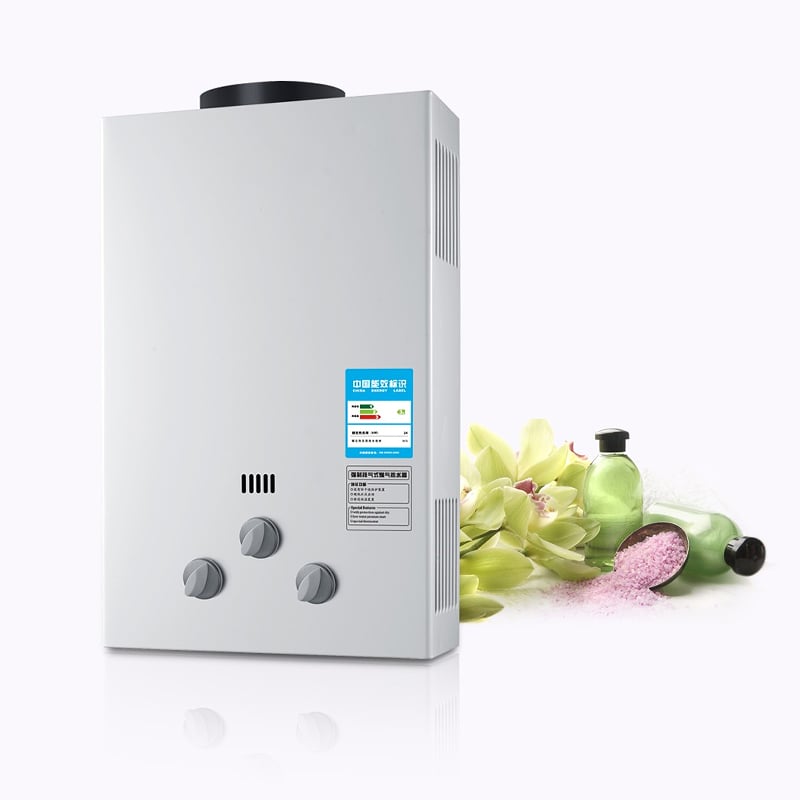
Tanklösa gasvattenberedare eliminerar återvinningsproblemet helt genom att värma upp vatten efter behov. En gasvattenberedare i tanklös konfiguration kan leverera ett kontinuerligt flöde av varmt vatten vid en konstant temperatur, vilket gör den lämplig för stora familjer, kommersiella kök eller alla tillämpningar där efterfrågan är oförutsägbar. Det finns också elmodeller utan tank, men de kräver mycket höga elektriska belastningar som många bostadspaneler inte kan klara utan kostsamma uppgraderingar.
För applikationer med låg eller intermittenta behov av varmt vatten, till exempel ett litet kontorsbadrum eller en semesterbostad, minskar prestandagapet mellan en gasdriven vattenuppvärmare och en elektrisk modell betydligt. I dessa scenarier kan den enklare installationen och lägre startkostnaden för en elektrisk enhet vara det mer praktiska valet.
Överväganden rörande tillförlitlighet och underhåll
En gasdriven vattenuppvärmare har fler mekaniska komponenter än en grundläggande elektrisk modell, inklusive en gasventil, en termoelement, en pilotmontage eller elektronisk tändning samt ett avgassystem. Var och en av dessa komponenter kräver periodisk granskning och kan utgöra en källa till fel. Gasdrivna vattenuppvärmare har dock en lång historia av pålitlighet, och reservdelar är allmänt tillgängliga och relativt billiga.
Elvattenuppvärmare har färre rörliga delar, vilket kan leda till lägre underhållsfrekvens. De vanligaste felkällorna är uppvärmningselementen och termostaten, båda av vilka är enkla att byta ut. Avsättning av slam i tanken är en gemensam underhållsfråga för båda typerna, och årlig spolning rekommenderas oavsett bränslekälla.
I områden som är benägna för strömavbrott kan en gasdriven vattenuppvärmare med stående pilotlåga eller batteridriven ignition fortsätta att fungera även när elnätet är nere. Denna motståndskraft är en betydelsefull fördel i regioner med opålitlig elkraftinfrastruktur och är en faktor som kommersiella och industriella köpare ofta noggrant väger in i sina inköpsbeslut.
Miljö- och säkerhetsaspekter
Koldioxidavtryck och emissionsprofil
En gasdriven varmvattenberedare genererar direkta förbränningsutsläpp vid användningsplatsen, inklusive koldioxid och små mängder kväveoxider. Den miljöpåverkan som uppstår beror på aggregatets verkningsgrad och den kolintensitet som är förknippad med naturgasförsörjningen. Kondenserande gasdrivna varmvattenberedare, som återvinner värme från avgaserna innan de avleds, minskar både bränsleförbrukningen och utsläppen jämfört med konventionella modeller.
El-drivna varmvattenberedare ger inga direkta utsläpp vid användningsplatsen, men deras miljöpåverkan beror helt på hur elen genereras. I regioner där elnätet drivs främst med kol eller naturgas kan de uppströms utsläpp som är förknippade med eldrivna varmvattenberedare överstiga de utsläpp som en direkt gasdriven varmvattenberedare ger upphov till. I regioner med hög andel förnybar energi i elnätet har elmodeller en betydligt lägre kolfotavtryck.
Eftersom elnätet fortsätter att avkoloniseras i många delar av världen stärks den långsiktiga miljöargumentationen för eldrivna vattenuppvärmningssystem. Köpare som fattar beslut med en tidshorisont på tio till femton år bör ta hänsyn till den troliga utvecklingen av sin lokala elnäts energimix när de utvärderar den miljömässiga jämförelsen mellan en gasdriven vattenuppvärmare och elalternativ.
Säkerhetsstandarder och installationsregler
En gasdriven vattenuppvärmare måste uppfylla lokala byggnadskoder för gasapparater, vilka vanligtvis inkluderar krav på avluftningsavstånd, dimensionering av gasledningar, jordbävningssäkring i jordbävningsbenägda områden samt koldioxidmontering. Dessa regler finns på grund av att felaktig installation av en gasdriven vattenuppvärmare kan medföra risker såsom gasläckor, kolmonoxidförgiftning och brand. Överensstämmelse är obligatorisk och ska verifieras av en certifierad installatör.
Elvattenuppvärmare omfattas av elkoder snarare än gaskoder, och deras säkerhetsprofil anses i allmänhet enklare att hantera. Det sker ingen förbränning, inga avgaser och inget risk för gasläckning. Elektriska fel, felaktig jordning och fel på tryckavlastningsventilen utgör dock fortfarande verkliga säkerhetsrisker som kräver korrekt installation och regelbunden inspektion.
Båda typerna av vattenuppvärmare måste vara utrustade med ett temperatur- och tryckavlastningsventil, som förhindrar farlig tryckuppbyggnad inuti tanken. Denna säkerhetsanordning måste testas regelbundet och bytas ut om den visar tecken på korrosion eller felaktig funktion. Oavsett om du väljer en gasdriven eller en elektrisk vattenuppvärmare bör denna grundläggande säkerhetskontroll ingå i din årliga underhållsrutin.
Vilka scenarier främjar respektive typ
När en gasdriven vattenuppvärmare är det starkare valet
En gasvattenuppvärmare är oftast bättre lämpad när naturgas redan finns tillgänglig på installationsplatsen, när behovet av varmt vatten är högt eller oförutsägbart, när snabb återställningstid är en prioritet eller när lokalkostnaden för el är betydligt högre än kostnaden för naturgas. Kommersiella kök, flerfamiljshus, tvättanläggningar och stora familjehem är miljöer där prestanda- och kostnadsfördelarna med en gasvattenuppvärmare är mest framträdande.
Områden med frekventa strömavbrott drar också nytta av en gasvattenuppvärmare, eftersom enheten kan fortsätta att fungera oberoende av elnätet. För köpare i dessa miljöer är driftsäkerheten hos en gasvattenuppvärmare inte bara en bekvämlighetsfunktion utan ett verkligt operativt krav.
Om den befintliga infrastrukturen redan inkluderar en gasledning och en avgasväg är den extra kostnaden för att välja en gasdriven varmvattenberedare framför en elektrisk modell minimal, och de långsiktiga driftsbesparingarna i de flesta elnät kommer att gynna gasalternativet. I detta scenario är en gasdriven varmvattenberedare ofta det enkla standardvalet.
När elektriska modeller är mer lämpliga
Elektriska varmvattenberedare är det praktiska valet när ingen gasinfrastruktur finns och kostnaden för att installera en sådan är för hög. De är också väl anpassade för mindre hushåll med begränsad efterfrågan på varmt vatten, fritidshus eller kompletterande installationer, till exempel en punkt-till-användning-enhet under ett diskbord. I dessa sammanhang väger enkelpåverkan och lägre installationskostnad för en elektrisk modell upp mot prestandafördelarna med en gasdriven varmvattenberedare.
Värmepumpsdrivna el-vattenuppvärmare är alltmer konkurrenskraftiga i klimat där lufttemperaturen utomhus förblir måttlig året runt. I dessa miljöer kan deras exceptionella verkningsgrad sänka driftkostnaderna till nivåer som är jämförbara med eller till och med lägre än en gasdriven vattenuppvärmare, särskilt när elpriserna stabiliseras eller sjunker i förhållande till gaspriserna på vissa marknader.
Byggnader som strävar efter ambitiösa energieffektivitetscertifieringar eller nollutsläppsmål kan också föredra elmodeller som en del av en bredare elektrifieringsstrategi. I dessa fall drivs valet av politiska och hållbarhetsmål snarare än av ren kostnadsoptimering, och en gasdriven vattenuppvärmare kan vara inkonsekvent med byggnadens miljömässiga åtaganden oavsett dess driftsekonomi.
Vanliga frågor
Är en gasdriven vattenuppvärmare alltid billigare att driva än en elmodell?
Inte alltid. I de flesta regioner kostar naturgas mindre per BTU än el, vilket ger en gasdriven varmvattenberedare en kostnadsfördel vid standardjämförelser. Värmepumpsdrivna elförda modeller är dock betydligt mer effektiva och kan minska eller eliminera denna skillnad beroende på lokala elpriser. Det enda tillförlitliga sättet att jämföra är att beräkna de årliga driftkostnaderna med hjälp av dina specifika lokala energipriser och UEF-värdena för de enheter du överväger.
Kan en gasdriven varmvattenberedare installeras var som helst i en byggnad?
En gasdriven varmvattenberedare kräver tillgång till en gasslang och en säker avgasledning till byggnadens utomhusmiljö. Detta begränsar placeringsoptionerna jämfört med elförda modeller, som endast behöver en elanslutning. Inomhusrum utan tillgång till en yttre vägg, höghuslägenheter och utrymmen med begränsad luftcirkulation kan vara olämpliga för en konventionell gasdriven varmvattenberedare utan ytterligare infrastrukturåtgärder.
Hur lång livslängd har en gasdriven varmvattenberedare vanligtvis jämfört med en eldriven modell?
Båda typerna har liknande livslängder under normala förhållanden. En väl underhållen gasdriven varmvattenberedare håller vanligtvis 8–12 år, medan eldrivna modeller med lagringstank i genomsnitt håller 10–15 år. Gasdrivna genomströmningsberedare kan med korrekt underhåll hålla 20 år eller längre. Vattenkvalitet, användningsvolym och underhållsfrekvens är de främsta faktorerna som påverkar livslängden för båda typerna.
Krävs det ett tillstånd för att byta från en eldriven till en gasdriven varmvattenberedare?
I de flesta jurisdiktioner krävs det det. Installation av en gasdriven varmvattenberedare innebär arbete med gasledning och ändringar av avgassystem, vilket båda vanligtvis kräver tillstånd och besiktningar enligt lokala byggregler. Även utbyte av en befintlig gasdriven varmvattenberedare mot en ny kräver ofta ett tillstånd. Det är viktigt att samarbeta med en certifierad entreprenör och kontrollera lokala krav innan installationen påbörjas, för att säkerställa efterlevnad och bibehålla försäkringsskyddet.