EN
EN


How to Choose an Outdoor Kitchen for Business Events
Business events require exceptional planning and attention to detail, particularly when it comes to catering and food service arrangements. An outdoor kitchen can transform your corporate gatherings, trade shows, product launches, and client entertainment events into memorable experiences that leave lasting impressions on attendees. The strategic selection of the right outdoor kitchen setup directly impacts the success of your business functions, affecting everything from operational efficiency to guest satisfaction and brand perception.
The demand for experiential business events has grown significantly as companies seek innovative ways to engage clients, partners, and employees. Traditional indoor venues often limit creativity and interaction opportunities, while outdoor settings provide flexibility and memorable atmospheres. Professional event planners increasingly recognize that well-equipped outdoor kitchens serve as focal points that facilitate networking, demonstrate company culture, and create unique brand experiences that differentiate businesses from competitors.
Essential Features for Professional Event Catering
Commercial-Grade Cooking Equipment
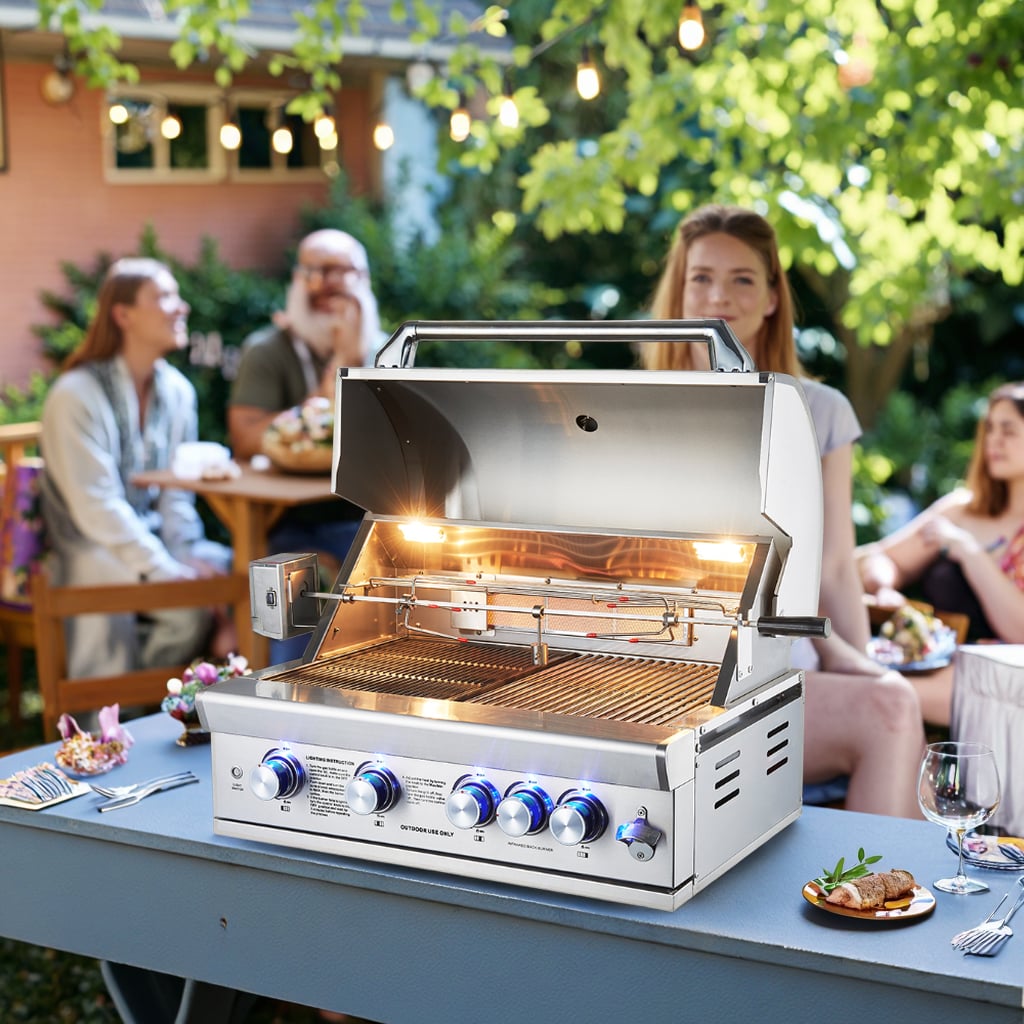
Professional business events demand reliable, high-capacity cooking equipment that can handle large groups efficiently. Commercial-grade burners, grills, and preparation surfaces ensure consistent food quality and service speed throughout your event duration. These systems must withstand heavy usage while maintaining temperature control and safety standards that meet professional catering requirements.
Industrial-strength materials like stainless steel construction provide durability and easy maintenance between events. Professional outdoor kitchen units feature powerful BTU ratings that deliver consistent heat distribution, enabling chefs to prepare multiple dishes simultaneously without compromising quality or timing. Advanced ventilation systems prevent smoke accumulation and ensure comfortable working conditions for catering staff.
Storage and Refrigeration Capabilities
Adequate storage space becomes critical when managing business event catering logistics. Professional outdoor kitchens must include sufficient refrigeration capacity to maintain food safety standards while storing ingredients, prepared items, and beverages at proper temperatures. Temperature-controlled storage prevents spoilage and ensures compliance with health department regulations during extended events.
Organized storage solutions maximize efficiency by providing designated areas for utensils, serving equipment, and supplies. Weather-resistant cabinet systems protect valuable equipment from environmental elements while maintaining accessibility for kitchen staff. Proper storage design minimizes setup time and reduces operational stress during high-pressure business functions.
Location and Space Planning Considerations
Site Assessment and Infrastructure Requirements
Successful outdoor kitchen deployment requires thorough site evaluation to identify optimal placement locations that balance accessibility, safety, and guest flow patterns. Professional assessment considers factors such as proximity to power sources, water connections, and waste disposal systems that support seamless kitchen operations. Ground stability and drainage capabilities affect equipment placement and long-term functionality during various weather conditions.
Infrastructure planning must account for utility connections including electrical power, natural gas or propane supply, and plumbing requirements. Professional installations often require permits and inspections to ensure compliance with local building codes and safety regulations. Early coordination with utility providers prevents delays and ensures adequate service capacity for peak operational demands during major business events.
Guest Flow and Service Efficiency
Strategic positioning enhances guest experience while maintaining operational efficiency throughout your business event. An outdoor kitchen should complement natural traffic patterns without creating congestion or blocking emergency access routes. Proper spacing between cooking areas and guest interaction zones prevents overcrowding while allowing attendees to observe culinary preparations that add entertainment value.
Service workflow design affects staff productivity and guest satisfaction levels during peak service periods. Efficient layouts minimize travel distances between preparation, cooking, and serving stations while maintaining clear sightlines for coordination between team members. Professional outdoor kitchen configurations incorporate dedicated pathways that separate staff operations from guest areas without compromising accessibility or visual appeal.
Weather Protection and Seasonal Adaptability
All-Weather Operation Systems
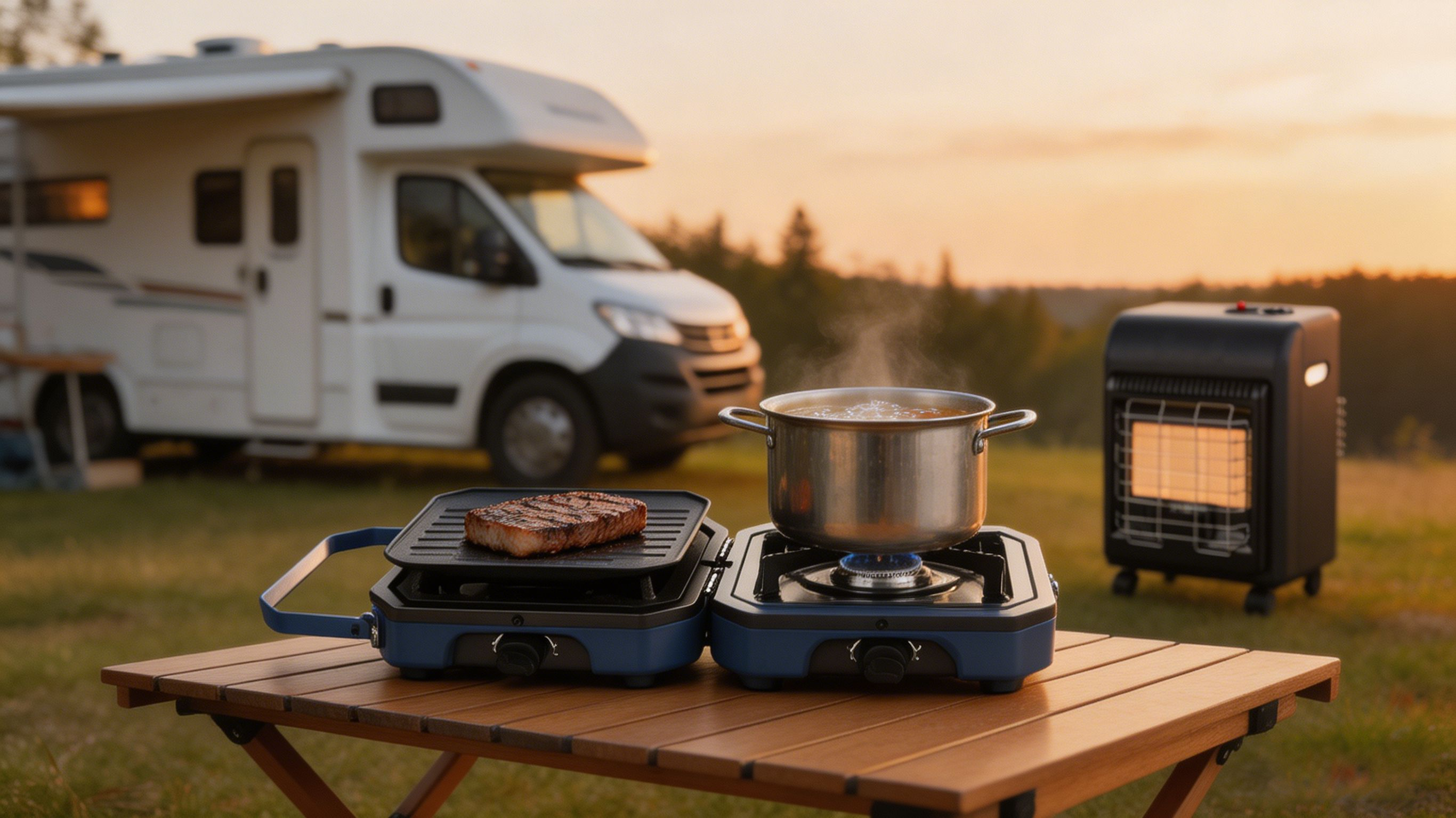
Business events often proceed regardless of weather conditions, making reliable protection systems essential for outdoor kitchen operations. Professional canopy systems and windbreaks maintain functionality during rain, wind, or extreme temperatures while protecting equipment and staff from environmental challenges. Weatherproof electrical systems ensure safe operation in various conditions without compromising performance or safety standards.
Climate control features extend operating seasons and improve working conditions for catering personnel. Heating elements and ventilation systems adapt to changing weather patterns while maintaining comfortable temperatures for food preparation and service activities. Professional outdoor kitchen designs incorporate drainage systems that prevent water accumulation and protect valuable equipment from moisture damage.
Seasonal Flexibility and Multi-Use Capabilities
Versatile outdoor kitchen configurations maximize return on investment by supporting various event types throughout different seasons. Modular designs allow customization for intimate executive meetings, large corporate gatherings, or seasonal celebrations that require different service approaches. Adaptable features enable quick reconfiguration between events while maintaining professional appearance and operational efficiency.
Multi-seasonal capabilities extend usage opportunities beyond traditional outdoor entertaining periods. Enclosed designs with removable panels provide protection during cooler months while opening completely for summer events. Professional outdoor kitchen systems incorporate heating and lighting elements that create inviting atmospheres regardless of time of day or season, expanding scheduling flexibility for business functions.
Budget Planning and Return on Investment
Initial Investment and Installation Costs
Professional outdoor kitchen investments require comprehensive budget planning that considers equipment costs, installation expenses, and ongoing maintenance requirements. High-quality commercial-grade systems represent significant initial investments but provide long-term value through durability, reliability, and professional appearance that enhances company image during business events.
Installation costs vary based on site preparation requirements, utility connections, and customization levels needed for specific business applications. Professional installation ensures proper setup, safety compliance, and warranty protection that protects your investment over time. Detailed cost analysis should include permits, inspections, and potential site modifications required for optimal outdoor kitchen functionality.
Long-Term Value and Event Savings
Outdoor kitchen investments generate substantial savings compared to recurring catering costs for regular business events. Professional installations eliminate rental fees, delivery charges, and service limitations associated with external catering services. Long-term ownership provides scheduling flexibility and quality control that enhances event outcomes while reducing per-event expenses significantly.
Revenue generation opportunities arise when outdoor kitchen capabilities enable hosting client events, partner meetings, and employee functions that strengthen business relationships. Professional outdoor kitchen facilities create competitive advantages by offering unique venue capabilities that differentiate your company from competitors while providing memorable experiences that support business development objectives.
Maintenance and Operational Requirements
Routine Maintenance Protocols
Professional outdoor kitchen systems require regular maintenance schedules to ensure optimal performance and extend equipment lifespan. Preventive maintenance includes cleaning procedures, system inspections, and component replacements that prevent unexpected failures during important business events. Established maintenance protocols protect your investment while ensuring reliable operation when professional reputation depends on flawless execution.
Seasonal maintenance procedures prepare outdoor kitchen systems for changing weather conditions and extended storage periods. Professional servicing includes deep cleaning, system winterization, and component protection that prevents damage during off-seasons. Regular maintenance documentation supports warranty claims and helps identify potential issues before they impact event operations or require expensive emergency repairs.
Staff Training and Safety Protocols
Proper staff training ensures safe, efficient outdoor kitchen operations during business events while maintaining professional service standards. Training programs should cover equipment operation, safety procedures, and emergency protocols that protect personnel and guests throughout event duration. Professional certification may be required for certain equipment types or local regulations governing commercial food service operations.
Safety protocol implementation protects against accidents, liability issues, and operational disruptions that could damage business reputation or event success. Regular safety reviews and updated training materials ensure compliance with evolving regulations and industry best practices. Emergency response procedures should be clearly documented and practiced regularly to ensure quick, appropriate responses to any incidents during business events.
FAQ
How much advance planning is required for outdoor kitchen installation
Professional outdoor kitchen installation typically requires 6-12 weeks of advance planning including site assessment, permit applications, utility coordination, and equipment ordering. Complex installations with extensive customization or challenging site conditions may require additional lead time. Early planning ensures proper installation completion before scheduled business events and allows time for staff training and system testing.
What permits and regulations apply to commercial outdoor kitchens
Commercial outdoor kitchen installations must comply with local building codes, health department regulations, and fire safety requirements that vary by jurisdiction. Required permits typically include electrical, plumbing, gas connections, and food service licenses depending on intended usage and local regulations. Professional installation companies can guide permit requirements and ensure compliance with applicable regulations for business event applications.
Can outdoor kitchens operate year-round in all climates
Professional outdoor kitchen systems can operate year-round with proper weatherization, heating elements, and protective enclosures designed for local climate conditions. Cold climate installations require freeze protection for plumbing systems, adequate heating for staff comfort, and weather barriers that maintain functionality during winter conditions. Seasonal accessories and climate-specific features enable reliable operation throughout varying weather patterns and temperature ranges.