EN
EN


Key Factors in Choosing Indoor Propane Gas Heaters
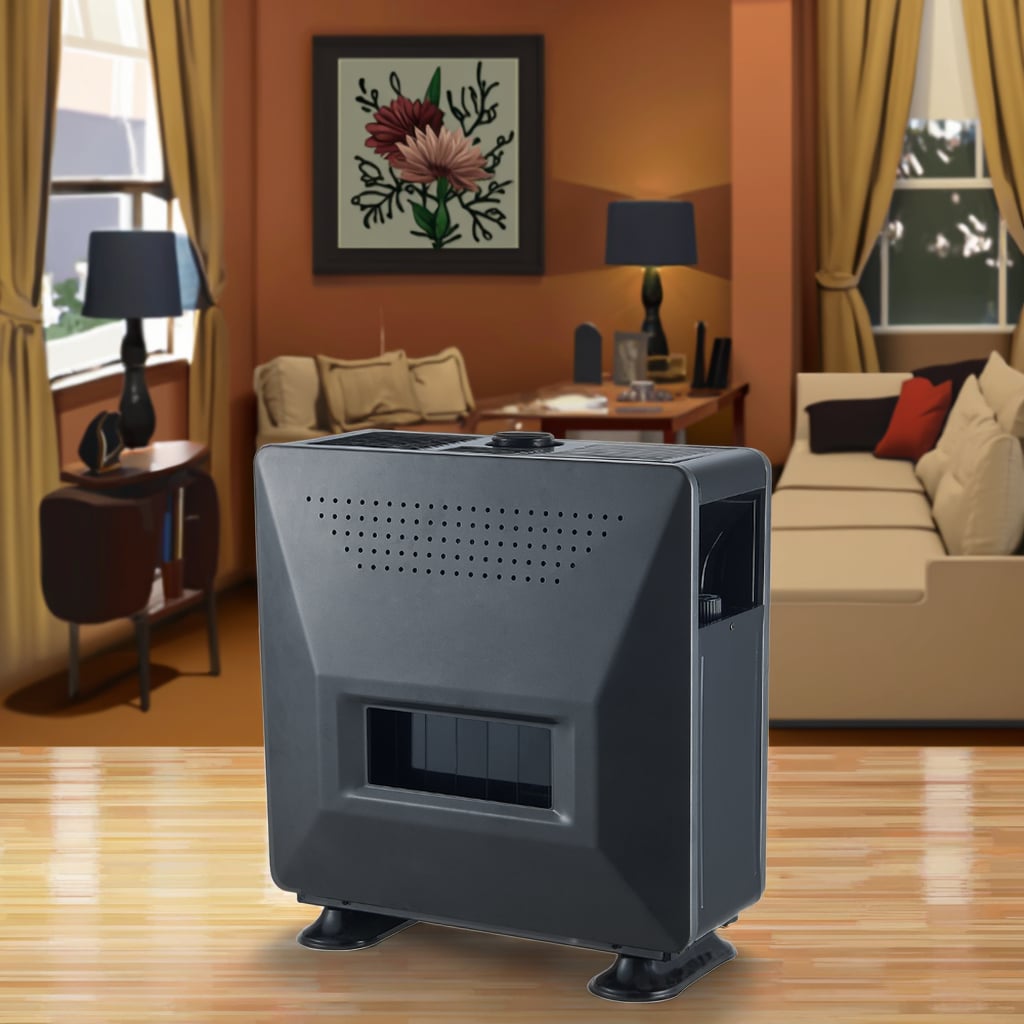
When winter temperatures drop and central heating systems struggle to maintain comfortable indoor environments, indoor propane gas heaters emerge as reliable and efficient supplemental heating solutions. These versatile devices offer immediate warmth, portability, and cost-effective operation for residential and commercial spaces. Understanding the essential factors that influence heater selection ensures optimal performance, safety, and long-term satisfaction with your heating investment.
The heating capacity of indoor propane gas heaters directly correlates with their ability to warm specific square footage effectively. Modern propane heaters typically range from 5,000 to 30,000 BTU output, with each BTU capable of heating approximately one square foot of space under standard insulation conditions. Selecting appropriate capacity prevents energy waste while ensuring adequate warmth distribution throughout target areas.
Safety Features and Certification Standards
Essential Safety Mechanisms
Contemporary indoor propane gas heaters incorporate multiple safety mechanisms designed to prevent accidents and ensure user protection. Oxygen depletion sensors automatically shut off gas flow when oxygen levels drop below safe thresholds, preventing carbon monoxide buildup. Tip-over switches immediately halt operation if units accidentally fall or become unstable, eliminating fire hazards.
Flame failure devices monitor pilot light status continuously, cutting gas supply instantly when flames extinguish unexpectedly. These integrated safety systems work collectively to create comprehensive protection protocols that exceed industry safety requirements. Quality manufacturers implement redundant safety measures, providing multiple layers of protection against potential operational risks.
Regulatory Compliance and Certifications
Certified indoor propane gas heaters must meet stringent regulatory standards established by recognized testing organizations. Underwriters Laboratories certification ensures products undergo rigorous safety testing protocols before market release. Canadian Standards Association approval indicates compliance with North American safety requirements for residential heating appliances.
European Conformity marking demonstrates adherence to EU safety directives for consumer heating products. These certifications validate product safety, performance reliability, and manufacturing quality standards. Purchasing certified heaters provides assurance that safety protocols meet or exceed established industry benchmarks for residential heating applications.
Heating Capacity and Room Size Calculations
BTU Requirements for Different Spaces
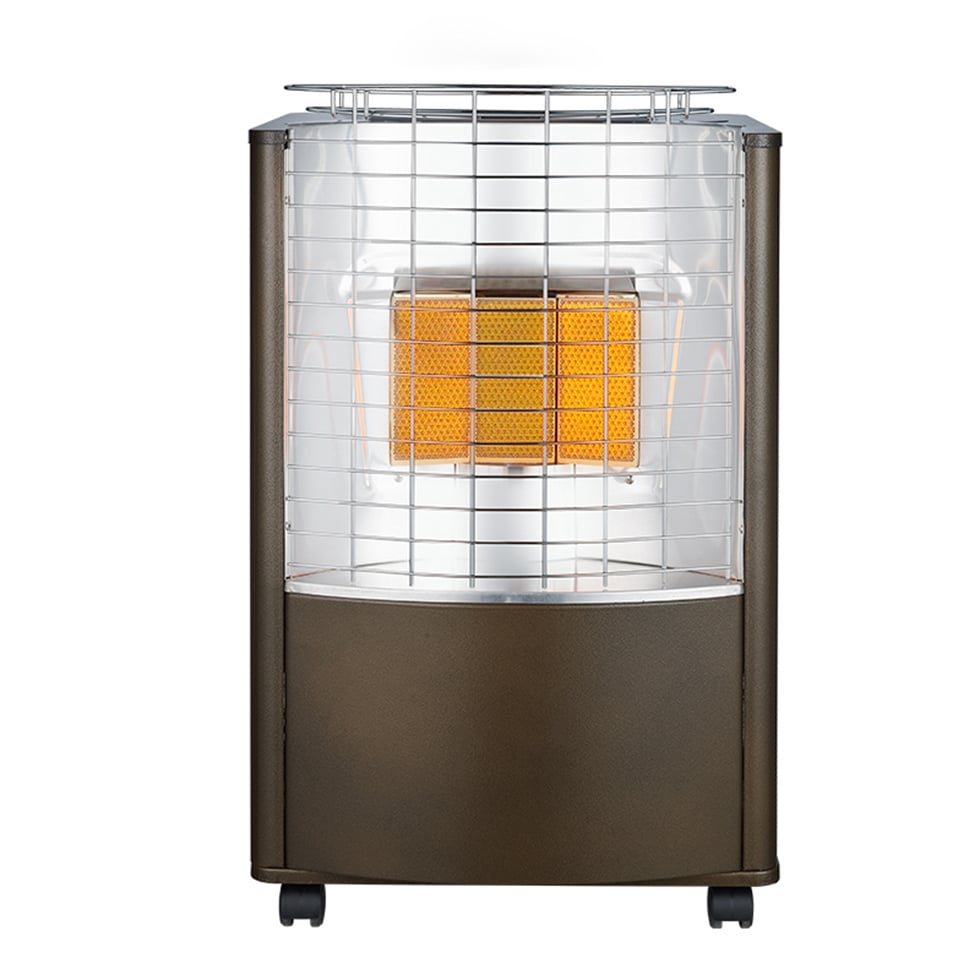
Determining appropriate BTU output requires careful consideration of room dimensions, insulation quality, and climate conditions. Standard calculations suggest 20 BTU per square foot for well-insulated spaces, while poorly insulated areas may require 30-35 BTU per square foot. Ceiling height affects heat distribution, with rooms exceeding eight-foot ceilings requiring additional capacity adjustments.
Geographic location influences heating requirements significantly, as colder climates demand higher BTU outputs for equivalent comfort levels. Windows, exterior doors, and architectural features create heat loss pathways that impact overall heating demands. Professional sizing calculations consider these variables to ensure optimal performance and energy efficiency for specific applications.
Efficiency Ratings and Performance Metrics
Energy efficiency ratings indicate how effectively indoor propane gas heaters convert fuel into usable heat output. Annual Fuel Utilization Efficiency ratings express the percentage of fuel energy converted to heat over typical operating seasons. Higher efficiency ratings translate to reduced fuel consumption and lower operating costs over time.
Thermal efficiency measurements evaluate instantaneous heat conversion rates during operation. Quality heaters achieve 85-95% thermal efficiency, maximizing heat output while minimizing fuel waste. Understanding efficiency ratings enables informed comparisons between different models and manufacturers, supporting cost-effective purchasing decisions.
Ventilation Requirements and Air Quality Considerations
Indoor Air Quality Management
Proper ventilation ensures safe operation of indoor propane gas heaters while maintaining acceptable air quality levels. Combustion processes consume oxygen and produce water vapor, carbon dioxide, and trace amounts of other byproducts. Adequate fresh air circulation prevents oxygen depletion and removes combustion byproducts effectively.
Minimum ventilation requirements vary based on heater capacity, room size, and local building codes. Generally, spaces require one square inch of permanent ventilation opening per 1,000 BTU of heater capacity. Cross-ventilation through strategically placed openings promotes optimal air circulation patterns and maintains healthy indoor environments.
Carbon Monoxide Prevention Strategies
Carbon monoxide detection systems provide critical safety monitoring for spaces utilizing indoor propane gas heaters. Battery-powered or hardwired detectors should be installed according to manufacturer specifications and local fire codes. Regular testing and maintenance ensure detection systems function properly when needed most.
Preventive maintenance schedules include annual professional inspections, regular cleaning of combustion chambers, and replacement of worn components. Proper heater maintenance reduces carbon monoxide production risks while extending equipment lifespan. Following manufacturer maintenance guidelines preserves safety features and operational reliability throughout heater service life.
Design Features and Construction Quality
Portability and Mobility Options
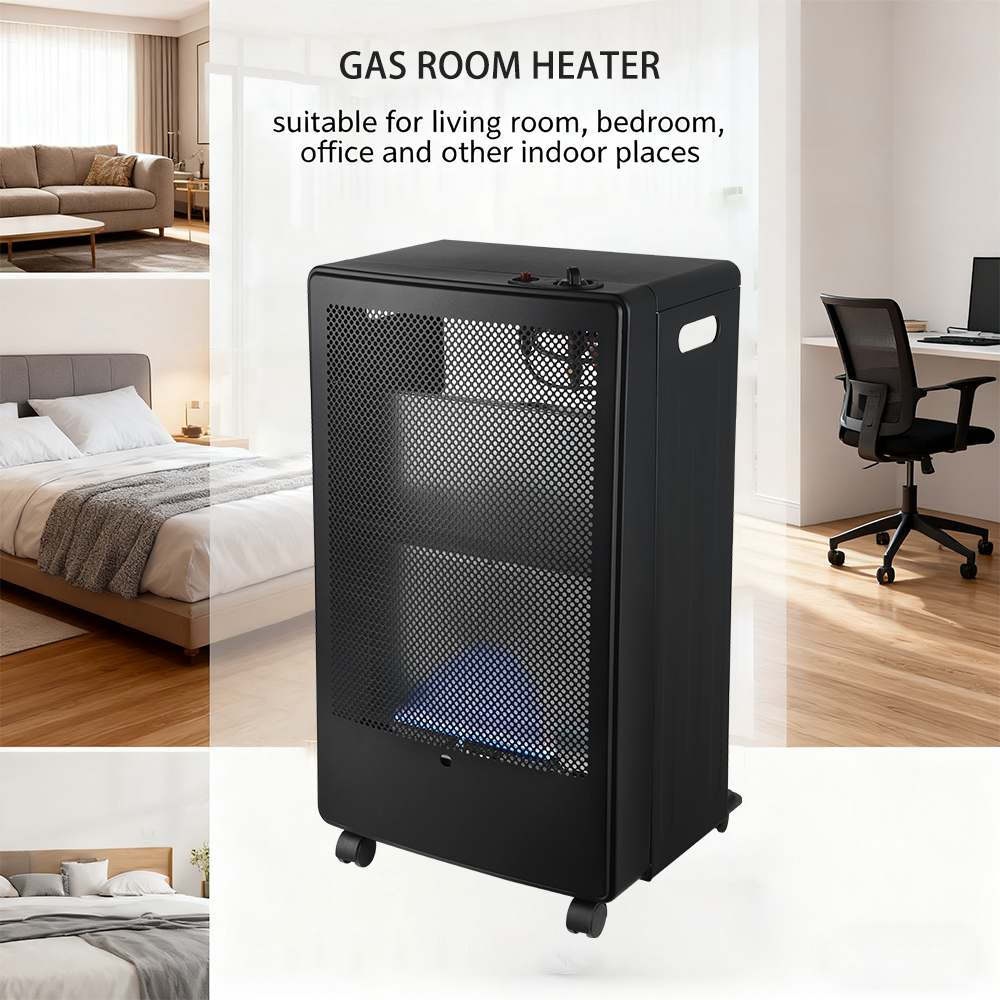
Portable indoor propane gas heaters offer flexibility for heating multiple locations as needs change throughout heating seasons. Integrated carrying handles, lightweight construction, and compact designs facilitate easy transportation between rooms or storage locations. Wheel assemblies enable effortless movement of larger capacity units without physical strain.
Quick-connect fittings simplify propane tank connections, reducing setup time and eliminating connection complications. Retractable power cords prevent tangling during transport and storage. These convenience features enhance user experience while maintaining safety and performance standards across diverse applications.
Durability and Construction Materials
Premium construction materials ensure long-term reliability and performance consistency for indoor propane gas heaters. Heavy-gauge steel heating chambers withstand repeated thermal cycling without warping or cracking. Powder-coated finishes resist corrosion, scratches, and fading while maintaining attractive appearances throughout extended service periods.
Quality control processes during manufacturing verify component fit, finish quality, and assembly precision. Reinforced protective grilles shield heating elements from accidental contact while allowing optimal heat radiation patterns. Superior construction quality translates to extended equipment lifespan and reduced maintenance requirements over time.
Installation and Setup Considerations
Space Requirements and Clearances
Safe installation of indoor propane gas heaters requires adequate clearances from combustible materials, furniture, and architectural elements. Manufacturer specifications define minimum distances from walls, ceilings, and floor surfaces necessary for safe operation. These clearances prevent overheating of surrounding materials while ensuring proper air circulation around heating units.
Floor surface compatibility affects heater stability and safety performance. Non-combustible surfaces such as tile, concrete, or stone provide optimal placement foundations. Carpet and wood flooring may require protective barriers or alternative placement strategies to prevent damage or fire hazards during operation.
Fuel Supply and Tank Management
Propane tank selection influences operational convenience, fuel costs, and storage requirements for indoor propane gas heaters. Standard 20-pound tanks provide extended operating times while remaining manageable for most users. Smaller tanks offer portability advantages but require more frequent replacement cycles.
Tank storage protocols ensure fuel availability while maintaining safety standards. Outdoor storage prevents propane accumulation in enclosed spaces while protecting tanks from temperature extremes. Regular tank inspections verify valve integrity, connection security, and overall condition before use.
Cost Analysis and Operating Economics
Initial Purchase Investment
Indoor propane gas heaters represent significant upfront investments that vary based on capacity, features, and construction quality. Entry-level models provide basic heating functionality at affordable price points, while premium units offer advanced safety features, enhanced efficiency, and superior durability. Comparing total cost of ownership includes purchase price, installation expenses, and projected maintenance costs.
Financing options through retailers or manufacturers make higher-quality heaters accessible to broader customer bases. Extended warranty programs protect investments while providing peace of mind regarding repair costs. Evaluating long-term value involves balancing initial costs against expected service life and operational savings.
Operational Cost Calculations
Fuel consumption rates determine ongoing operational expenses for indoor propane gas heaters throughout heating seasons. Propane prices fluctuate seasonally and regionally, affecting overall heating costs significantly. Calculating hourly operating costs enables accurate budgeting and comparison with alternative heating methods.
Energy efficiency improvements reduce fuel consumption without sacrificing comfort levels. Higher-efficiency indoor propane gas heaters consume less fuel per BTU output, generating substantial savings over multiple heating seasons. These efficiency gains often justify higher initial purchase prices through reduced operational expenses.
Maintenance and Service Requirements
Routine Maintenance Procedures
Regular maintenance ensures optimal performance and extends service life for indoor propane gas heaters. Monthly visual inspections identify potential issues before they compromise safety or efficiency. Cleaning procedures remove dust, debris, and combustion residues that accumulate during normal operation.
Annual professional servicing includes comprehensive system evaluations, component adjustments, and safety system testing. Qualified technicians verify proper combustion, check gas connections, and calibrate safety devices according to manufacturer specifications. Professional maintenance preserves warranty coverage while ensuring continued safe operation.
Component Replacement and Repairs
Replacement parts availability affects long-term serviceability of indoor propane gas heaters. Reputable manufacturers maintain extensive parts inventories and provide technical support for service providers. Common replacement components include thermocouples, gas valves, and protective screens that experience normal wear during operation.
Authorized service networks ensure proper repairs using genuine components and approved procedures. DIY repairs may void warranties and create safety hazards if performed incorrectly. Professional service providers possess specialized tools, technical knowledge, and safety training necessary for proper heater maintenance and repair.
FAQ
What size indoor propane gas heater do I need for my room
Room size determines appropriate heater capacity, with standard calculations requiring 20-30 BTU per square foot depending on insulation quality. Measure room length and width, multiply for total square footage, then apply the BTU factor. Consider ceiling height, window area, and insulation quality when selecting capacity, as these factors significantly impact heating requirements and overall comfort levels.
Are indoor propane gas heaters safe to use overnight
Modern indoor propane gas heaters include safety features like oxygen depletion sensors and automatic shutoffs, but manufacturer recommendations typically advise against unattended operation. Ensure adequate ventilation, install carbon monoxide detectors, and follow all safety guidelines. Consider programmable models with timer functions that automatically shut off after predetermined periods for enhanced overnight safety.
How much does it cost to operate indoor propane gas heaters
Operating costs depend on heater efficiency, local propane prices, and usage patterns. Average propane costs range from $2.50-4.00 per gallon, with typical heaters consuming 1-2 pounds per hour at full capacity. Calculate hourly costs by multiplying fuel consumption rate by local propane prices, then estimate monthly expenses based on expected usage hours and heating requirements.
Do indoor propane gas heaters require special ventilation
Proper ventilation prevents oxygen depletion and removes combustion byproducts safely. Most models require permanent ventilation openings sized at one square inch per 1,000 BTU capacity. Follow manufacturer ventilation guidelines, maintain adequate air circulation, and never operate heaters in completely sealed spaces. Professional installation ensures compliance with local building codes and safety requirements.