EN
EN


Maximizing Safety in Butane Portable Gas Heaters
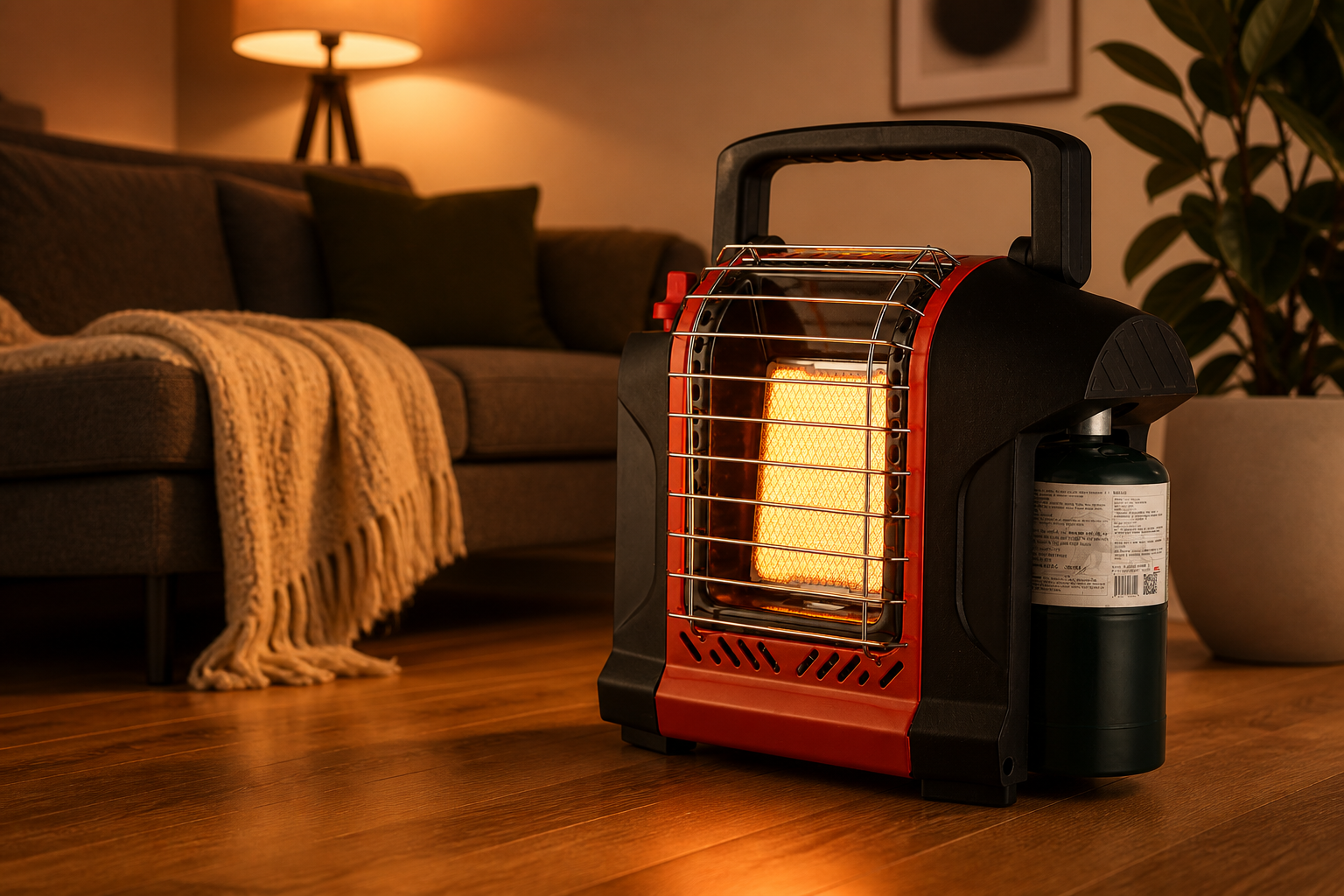
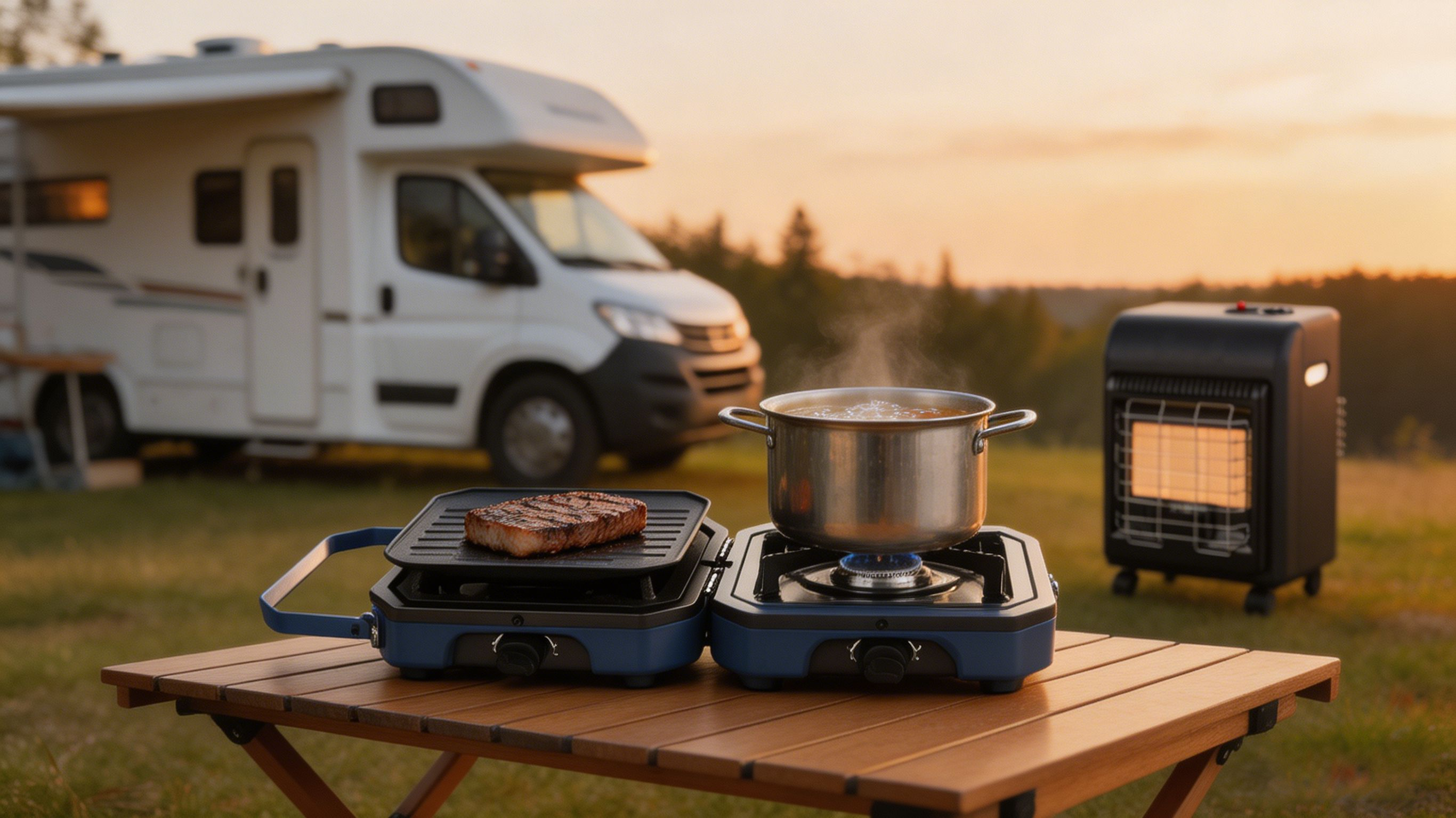
Butane portable gas heaters have become increasingly popular among outdoor enthusiasts, RV travelers, and industrial workers who need reliable heating solutions in remote locations. These versatile heating devices offer exceptional portability and efficiency, making them ideal for camping trips, emergency situations, and temporary heating needs. Understanding the safety considerations and proper usage of butane portable gas heaters is crucial for maximizing their benefits while minimizing potential risks.
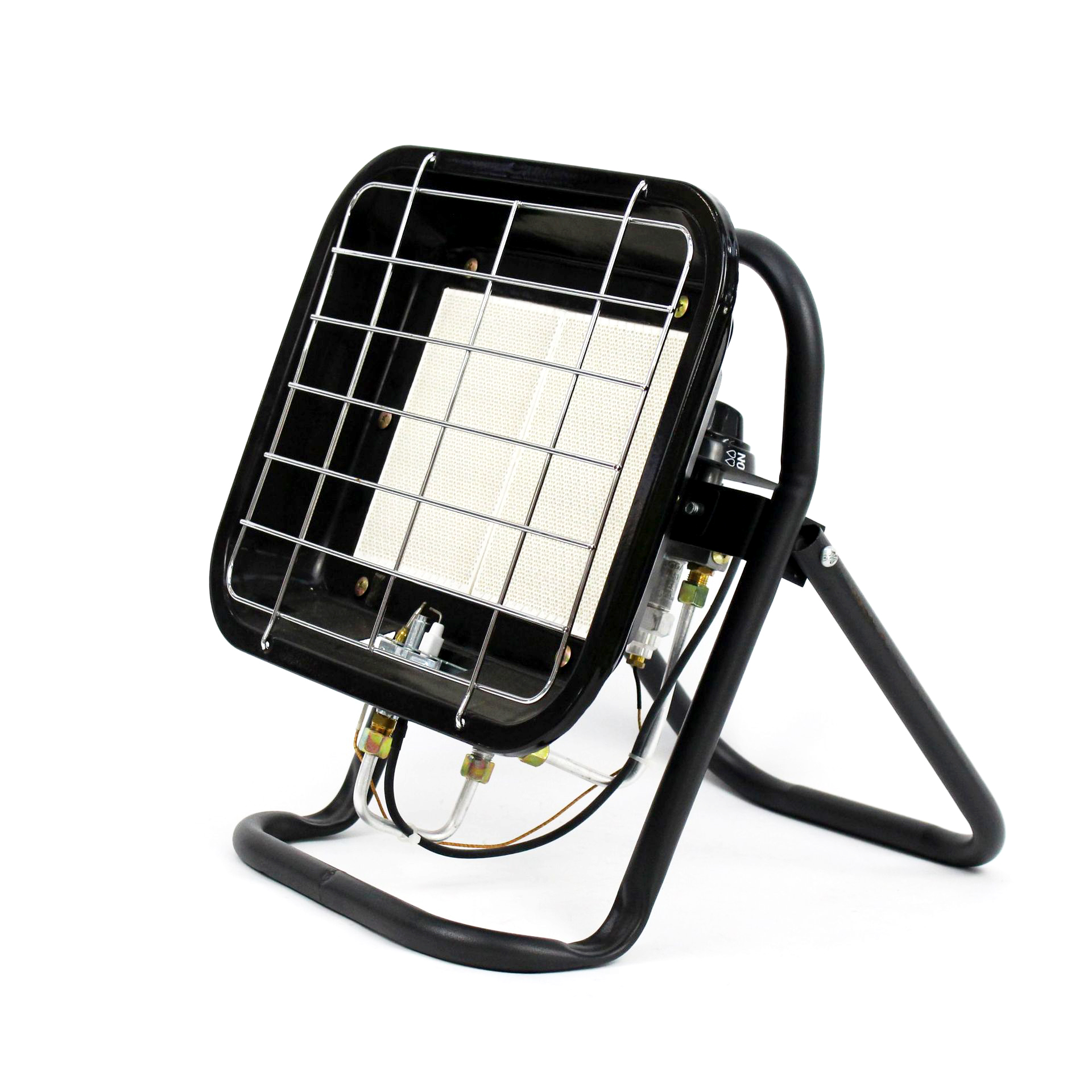
The growing demand for butane portable gas heaters stems from their ability to provide instant heat without requiring electrical connections or permanent installations. These units typically feature ceramic burners that distribute heat evenly while maintaining fuel efficiency. Modern butane portable gas heaters incorporate advanced safety features including automatic shut-off mechanisms, oxygen depletion sensors, and pressure regulators that ensure safe operation in various environments.
Essential Safety Features in Modern Butane Heaters
Automatic Safety Shut-Off Systems
Contemporary butane portable gas heaters incorporate sophisticated automatic shut-off systems designed to prevent accidents and ensure user safety. These systems monitor multiple parameters including oxygen levels, pressure variations, and tilt angles to detect potentially dangerous situations. When oxygen levels drop below safe thresholds, the automatic shut-off mechanism immediately stops gas flow to prevent carbon monoxide buildup and potential asphyxiation risks.
The pressure monitoring component of these safety systems continuously evaluates gas pressure within the heating unit. If pressure exceeds safe operating limits or drops unexpectedly, the system triggers an immediate shutdown to prevent gas leaks or flame instability. This feature is particularly important when using butane portable gas heaters in varying temperature conditions where pressure fluctuations are more likely to occur.
Oxygen Depletion Sensors
Oxygen depletion sensors represent one of the most critical safety features in modern butane portable gas heaters. These sensors continuously monitor ambient oxygen levels and automatically shut off the heater when oxygen concentration falls below 18 percent. This safety mechanism prevents the accumulation of dangerous gases and ensures adequate oxygen remains available for users in enclosed or semi-enclosed spaces.
The sensitivity and reliability of oxygen depletion sensors have improved significantly with advances in sensor technology. Modern sensors respond quickly to changing oxygen levels and provide consistent protection across various environmental conditions. Regular testing and maintenance of these sensors ensure they continue to function properly throughout the heater's operational life.
Proper Installation and Ventilation Requirements
Ventilation Standards for Indoor Use
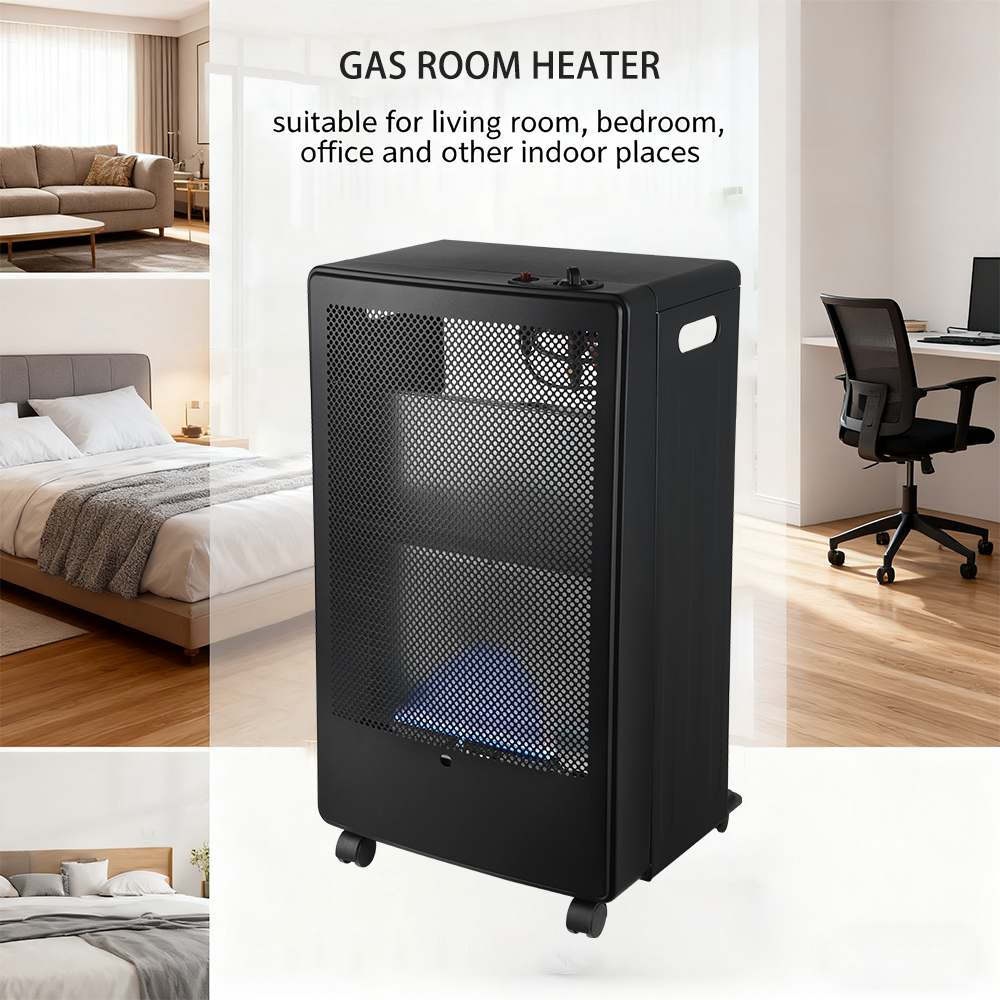
Adequate ventilation is essential when operating butane portable gas heaters in indoor or semi-enclosed environments. Proper ventilation ensures continuous fresh air circulation, prevents the accumulation of combustion gases, and maintains safe oxygen levels. The recommended ventilation rate for spaces using butane portable gas heaters is typically one air change per hour, though this may vary depending on space size and heater output.
Cross-ventilation provides the most effective air circulation pattern for spaces using butane heaters. Opening windows or vents on opposite sides of the space creates natural airflow that removes combustion byproducts while bringing in fresh oxygen. When natural ventilation is insufficient, mechanical ventilation systems may be necessary to maintain safe air quality standards.
Clearance Requirements and Positioning
Maintaining proper clearances around butane portable gas heaters is crucial for safe operation and optimal performance. Most manufacturers specify minimum clearances of 3 feet from combustible materials, 18 inches from walls, and 7 feet from ceilings. These clearances prevent overheating of nearby objects and ensure adequate air circulation around the heating unit.
Strategic positioning of butane portable gas heaters maximizes heating efficiency while maintaining safety standards. Placing heaters on level, stable surfaces away from high-traffic areas reduces the risk of accidental tipping or contact with hot surfaces. Avoiding placement near doorways, windows with curtains, or areas with loose materials helps prevent fire hazards and ensures unobstructed airflow.
Fuel Handling and Storage Safety
Proper Canister Selection and Compatibility
Selecting appropriate fuel canisters is fundamental to safe operation of butane portable gas heaters. Only manufacturer-approved canisters should be used to ensure proper pressure ratings, valve compatibility, and fuel purity standards. Using incompatible or substandard canisters can result in pressure imbalances, gas leaks, or inadequate fuel delivery that compromises heater performance and safety.
Quality butane canisters feature precision-manufactured valves and seals that create reliable connections with heater fittings. These canisters undergo rigorous testing to ensure they meet safety standards for pressure resistance, leak prevention, and valve durability. Checking canister condition before installation helps identify potential issues such as dents, corrosion, or damaged threads that could affect safe operation.
Storage and Transport Guidelines
Safe storage and transport of butane canisters requires adherence to specific temperature and positioning requirements. Canisters should be stored in cool, dry locations away from direct sunlight and heat sources. Temperature extremes can cause dangerous pressure variations that may lead to canister failure or safety valve activation. The ideal storage temperature range for butane canisters is typically between 32°F and 100°F.
During transport, butane canisters must be secured to prevent rolling, tipping, or impact damage. Specialized carrying cases or storage containers provide protection while allowing safe transport of multiple canisters. Avoiding transport in vehicle passenger compartments reduces risk of gas accumulation in case of minor leaks, and ensuring adequate ventilation in transport areas maintains safety standards.
Maintenance and Inspection Protocols
Regular Component Inspections
Systematic inspection of butane portable gas heaters ensures continued safe operation and helps identify potential issues before they become safety hazards. Key components requiring regular inspection include gas connections, ceramic burners, safety sensors, and housing integrity. Visual inspection should be performed before each use, while more detailed technical inspections should occur monthly or according to manufacturer recommendations.
Gas connection points require particular attention during inspections as these areas are most susceptible to wear and potential leakage. Checking for loose fittings, worn seals, or damaged threads helps prevent gas leaks that could create fire or explosion risks. The ceramic burner should be inspected for cracks, discoloration, or debris accumulation that might affect heat distribution or create hot spots.
Cleaning and Performance Optimization
Regular cleaning of butane portable gas heaters maintains optimal performance while preventing safety issues related to debris accumulation or component deterioration. The ceramic burner surface should be cleaned with appropriate tools and cleaning agents to remove dust, grease, or other contaminants that could affect combustion efficiency. Gentle cleaning methods prevent damage to sensitive ceramic materials while ensuring proper heat distribution.
Air intake and exhaust areas require regular cleaning to maintain proper airflow and prevent overheating. Blocked vents can cause dangerous heat buildup or inadequate combustion air supply, both of which create safety hazards. Using compressed air or soft brushes to remove accumulated debris ensures these critical areas remain clear and functional throughout the heating season.
Emergency Procedures and Response
Gas Leak Detection and Response
Recognizing and responding appropriately to gas leaks is essential for safe operation of butane portable gas heaters. Common signs of gas leaks include the distinctive smell of butane, hissing sounds near connections, or visible frost formation on canisters or fittings. Upon detecting any of these signs, users should immediately shut off the gas supply, ventilate the area, and avoid creating sparks or flames.
Proper response to suspected gas leaks includes evacuating the immediate area until ventilation reduces gas concentration to safe levels. Electronic ignition sources, open flames, and electrical switches should be avoided during gas leak situations. After ensuring the area is safe, connections should be inspected and tightened or replaced as necessary before resuming heater operation.
Fire Safety and Suppression
Fire suppression planning is crucial when using butane portable gas heaters, particularly in confined spaces or areas with combustible materials. Class B fire extinguishers are most effective for suppressing butane fires, as they work by smothering the flame and interrupting the chemical reaction. Having appropriate fire suppression equipment readily available and ensuring users understand proper operation procedures enhances overall safety.
In case of heater fires, shutting off the gas supply immediately helps prevent fuel from feeding the flames. If the shut-off valve is accessible and can be reached safely, turning off gas flow should be the first priority. However, personal safety takes precedence over equipment concerns, and evacuation may be necessary if the fire cannot be controlled quickly and safely.
Industrial and Commercial Applications
Workplace Safety Standards
Industrial applications of butane portable gas heaters require compliance with enhanced safety standards and workplace regulations. OSHA guidelines specify requirements for ventilation, placement, and emergency procedures when using portable heating equipment in commercial settings. These standards often exceed residential safety requirements due to the increased risks associated with workplace environments and the presence of multiple personnel.
Training programs for personnel using butane portable gas heaters in industrial settings should cover proper operation procedures, safety feature recognition, and emergency response protocols. Regular safety meetings and refresher training ensure workers remain current on best practices and safety requirements. Documentation of training completion and safety compliance helps demonstrate adherence to regulatory requirements.
Multi-Unit Installations
When multiple butane portable gas heaters are used simultaneously in commercial or industrial applications, additional safety considerations apply. Cumulative fuel consumption increases ventilation requirements and may necessitate mechanical ventilation systems to maintain safe air quality. Spacing between units must account for heat output, clearance requirements, and accessibility for maintenance and emergency response.
Centralized monitoring systems can enhance safety in multi-unit installations by providing continuous oversight of multiple heaters simultaneously. These systems can detect issues such as oxygen depletion, excessive temperatures, or equipment malfunctions across the entire heating network. Automated shutdown capabilities allow rapid response to safety concerns affecting any unit within the system.
Environmental Considerations
Altitude and Temperature Effects
High altitude operation affects the performance and safety characteristics of butane portable gas heaters due to reduced air density and pressure variations. At elevations above 4,500 feet, combustion air density decreases, potentially affecting flame stability and heat output. Users should be aware that safety sensors may require recalibration or adjustment when heaters are used at significantly different elevations than their calibration altitude.
Cold weather operation presents unique challenges for butane portable gas heaters, as low temperatures can affect fuel vaporization and pressure regulation. Butane fuel performance degrades at temperatures below 32°F, potentially causing inadequate fuel flow or pressure variations. In extremely cold conditions, alternative fuel mixtures or heater models specifically designed for low-temperature operation may be necessary.
Humidity and Moisture Management
High humidity environments can affect the operation of butane portable gas heaters by influencing combustion characteristics and potentially causing condensation issues. Moisture in combustion air can slightly reduce flame temperature and affect heat output efficiency. Additionally, condensation on cold surfaces near the heater can create slip hazards or damage sensitive materials in the heating area.
Moisture management strategies include ensuring adequate ventilation to remove humidity generated by combustion processes and using dehumidification equipment when necessary. Regular inspection for condensation accumulation helps identify areas where moisture control measures may be needed to maintain safe operating conditions.
FAQ
How often should safety inspections be performed on butane portable gas heaters
Safety inspections should be performed before each use for basic visual checks, monthly for detailed component inspection, and annually for comprehensive professional servicing. Daily use environments may require more frequent detailed inspections to ensure continued safe operation.
What is the minimum ventilation requirement for indoor use of butane heaters
Indoor use typically requires at least one air change per hour with cross-ventilation when possible. Larger spaces or multiple heaters may require increased ventilation rates. Always follow manufacturer specifications and local building codes for specific ventilation requirements.
Can butane portable gas heaters be used safely in RVs and enclosed vehicles
Yes, but only with adequate ventilation and proper safety precautions. RV installations should include functioning oxygen depletion sensors, adequate clearances from combustible materials, and emergency ventilation systems. Never use these heaters while sleeping or in completely sealed environments.
What should I do if my butane heater fails to ignite properly
First, check that the fuel canister is properly connected and has adequate fuel. Verify that safety sensors are not triggered and that ventilation is adequate. If problems persist, discontinue use and consult the manufacturer's troubleshooting guide or contact technical support before attempting further operation.