EN
EN


What Is an Infrared Heater and How Does It Work?
An infrared heater represents a revolutionary heating technology that harnesses electromagnetic radiation to provide efficient and targeted warmth. Unlike conventional heating systems that warm the air, an infrared heater directly heats objects and people within its range, creating a more comfortable and energy-efficient heating solution. This innovative heating method has gained significant popularity across residential, commercial, and industrial applications due to its unique operational principles and numerous advantages over traditional heating systems.
Understanding Infrared Heating Technology
The Science Behind Infrared Radiation
Infrared radiation operates within the electromagnetic spectrum between visible light and microwaves, typically ranging from 780 nanometers to 1 millimeter in wavelength. When an infrared heater generates this radiation, it travels at the speed of light until it encounters an object or surface. The absorbed energy then converts to heat, warming the target directly without first heating the surrounding air. This process mimics the natural heating effect of the sun, which also uses infrared radiation to warm the Earth.
The effectiveness of an infrared heater depends on several factors including the wavelength of radiation produced, the distance from the heat source, and the absorption properties of the target materials. Different materials absorb infrared radiation at varying rates, with darker and rougher surfaces generally absorbing more energy than lighter and smoother ones. This selective heating capability makes infrared technology particularly valuable for targeted heating applications where specific areas or objects require warmth while maintaining energy efficiency.
Types of Infrared Wavelengths
Infrared heating systems typically operate across three distinct wavelength categories, each offering unique characteristics and applications. Near-infrared heaters produce wavelengths between 780 nanometers and 1.4 micrometers, generating intense heat that penetrates deeply into materials. These systems are commonly used in industrial processes requiring high-temperature applications such as paint curing, food processing, and material drying operations.
Medium-infrared wavelengths span from 1.4 to 3 micrometers and provide balanced heating suitable for both commercial and residential applications. An infrared heater operating in this range delivers comfortable warmth for space heating while maintaining reasonable energy consumption levels. Far-infrared systems produce wavelengths from 3 micrometers to 1 millimeter, offering gentle, penetrating heat that closely resembles natural body heat, making them ideal for therapeutic and comfort heating applications.
How Infrared Heaters Operate
Heat Generation Process
The operational mechanism of an infrared heater begins with the conversion of electrical energy into heat through various heating elements such as ceramic plates, quartz tubes, or carbon fiber filaments. These elements reach optimal operating temperatures ranging from 200 to 1000 degrees Celsius depending on the specific design and intended application. Once heated, these elements emit infrared radiation in predetermined wavelength ranges that correspond to the heater's design specifications.
Modern infrared heater designs incorporate sophisticated reflector systems that focus and direct the emitted radiation toward specific target areas. These reflectors, typically made from polished aluminum or specialized reflective materials, ensure maximum heat transfer efficiency while minimizing energy waste. Advanced models may include parabolic or elliptical reflector configurations that provide precise beam control and uniform heat distribution across designated coverage areas.
Heat Transfer Mechanics
Unlike convection heating systems that rely on air circulation to distribute warmth, an infrared heater transfers energy directly through electromagnetic radiation. This direct heat transfer method eliminates the need for air movement, reducing heat loss through drafts and maintaining consistent temperatures even in poorly insulated spaces. The radiated energy travels in straight lines from the heat source, allowing for precise directional heating that can target specific zones or objects within a larger area.
The absorption and conversion of infrared radiation into heat occurs almost instantaneously when the radiation contacts solid objects. This immediate heating response makes infrared heater systems particularly effective for applications requiring rapid temperature changes or spot heating. The heated objects then act as secondary heat sources, gradually warming the surrounding air through natural convection, creating a comfortable ambient temperature throughout the space.
Types and Configurations of Infrared Heaters
Electric Infrared Heaters
Electric infrared heater models represent the most common and versatile category of infrared heating systems available in today's market. These units utilize electrical resistance heating elements such as tungsten filaments, ceramic panels, or carbon fiber tubes to generate infrared radiation. Electric models offer precise temperature control, instant heat output, and clean operation without producing combustion byproducts or requiring ventilation systems for safe indoor use.
Portable electric infrared heater units provide flexibility for temporary heating needs and can be easily relocated between different areas as requirements change. Fixed installation electric models offer permanent heating solutions for specific spaces and often include advanced features such as programmable thermostats, remote controls, and zone heating capabilities. These systems integrate seamlessly with existing electrical infrastructure and can be configured for both residential comfort heating and commercial or industrial process applications.
Gas-Powered Infrared Systems
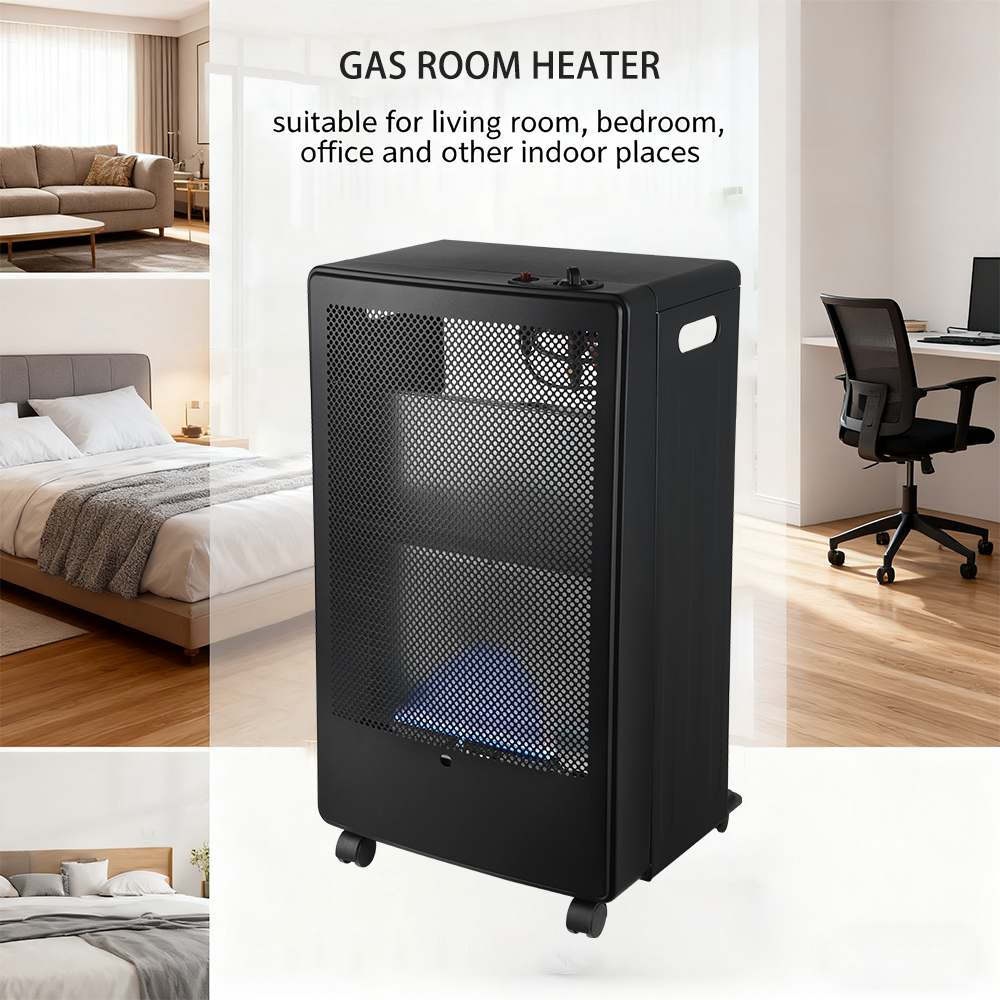
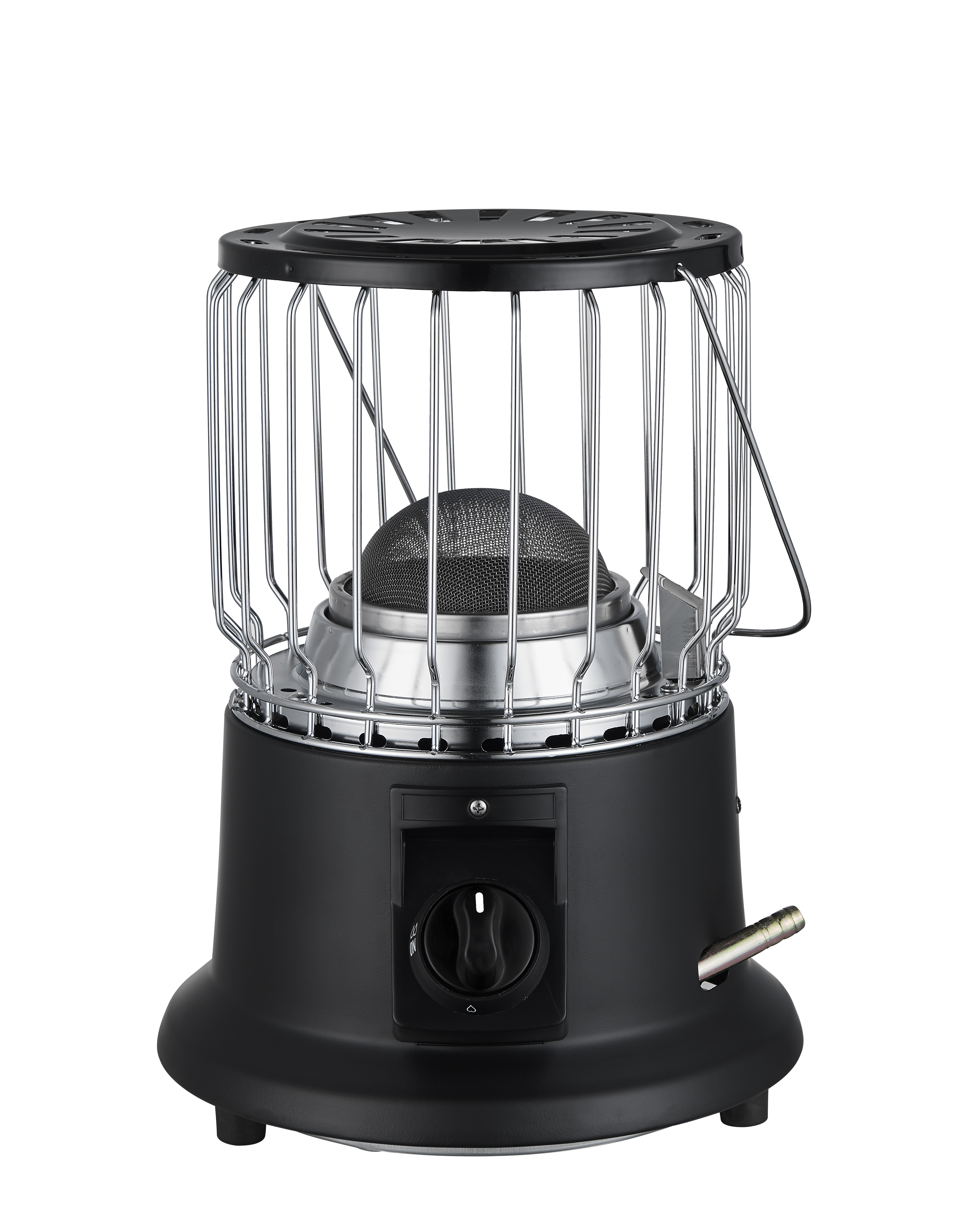
Gas-powered infrared heater configurations utilize natural gas or propane combustion to heat ceramic or metal surfaces that subsequently emit infrared radiation. These systems provide high heat output levels suitable for large spaces, outdoor applications, and industrial processes requiring substantial heating capacity. Gas-powered models typically offer lower operating costs compared to electric alternatives in areas where natural gas prices remain competitive with electricity rates.
The design of gas infrared systems includes sophisticated combustion chambers and heat exchangers that maximize fuel efficiency while ensuring complete combustion and minimal emissions. Advanced gas infrared heater models incorporate electronic ignition systems, modulating burners, and safety controls that monitor combustion quality and automatically shut down the system if unsafe conditions are detected. These features enhance both operational safety and energy efficiency while reducing maintenance requirements.
Applications and Benefits
Residential Heating Solutions
Residential applications of infrared heater technology have expanded significantly as homeowners seek more efficient and comfortable heating solutions. These systems excel in supplemental heating roles, providing targeted warmth for specific rooms or areas without the need to heat entire homes. An infrared heater installation can significantly reduce energy costs by allowing homeowners to lower central heating system temperatures while maintaining comfort in frequently occupied spaces.
The quiet operation of infrared heating systems makes them ideal for bedrooms, home offices, and entertainment areas where noise from traditional heating systems might be disruptive. Many residential infrared heater models feature attractive designs that complement modern home decor while providing efficient heating performance. These systems also eliminate the air circulation associated with forced-air heating systems, reducing dust movement and creating a more comfortable environment for individuals with allergies or respiratory sensitivities.
Commercial and Industrial Applications
Commercial and industrial facilities benefit significantly from infrared heater installations due to their ability to provide efficient heating for large spaces with high ceilings or areas requiring spot heating. Warehouses, manufacturing facilities, and automotive service centers frequently utilize infrared systems to maintain comfortable working conditions while minimizing energy consumption. The directional heating capability allows these facilities to heat occupied work areas while leaving unused spaces unheated.
Industrial processes such as paint booths, curing ovens, and material drying operations rely on infrared heater technology to provide precise temperature control and uniform heat distribution. These applications require consistent heating performance and the ability to rapidly adjust output levels based on production requirements. An infrared heater system can deliver the necessary heat intensity while maintaining excellent control over temperature uniformity across large surface areas or multiple workstations.
Advantages Over Traditional Heating Methods
Energy Efficiency Benefits
The energy efficiency advantages of infrared heater systems stem from their direct heating mechanism that eliminates many of the losses associated with conventional heating methods. Traditional forced-air systems lose significant energy through ductwork leakage, air infiltration, and the need to heat large volumes of air before achieving comfortable temperatures. Infrared heating bypasses these inefficiencies by transferring energy directly to people and objects, achieving comfort levels at lower ambient temperatures.
Studies have shown that infrared heater installations can reduce energy consumption by 20 to 50 percent compared to conventional heating systems in appropriate applications. This efficiency improvement results from reduced heat loss, faster warm-up times, and the ability to maintain comfort at lower thermostat settings. The elimination of air movement also reduces heat stratification in tall spaces, ensuring that warm air doesn't accumulate at ceiling levels where it provides no benefit to occupants.
Health and Comfort Advantages
An infrared heater provides several health and comfort benefits that distinguish it from traditional heating methods. The absence of forced air circulation eliminates the distribution of dust, allergens, and other airborne particles that can exacerbate respiratory conditions. This characteristic makes infrared heating particularly beneficial for individuals with asthma, allergies, or other respiratory sensitivities who may experience discomfort with conventional heating systems.
The radiant heating effect of infrared systems creates a more natural and comfortable warmth that closely resembles solar heating. This gentle warmth penetrates clothing and skin surfaces, providing a feeling of comfort even when ambient air temperatures remain relatively cool. The consistent heat distribution eliminates cold spots and drafts commonly associated with forced-air systems, creating a more pleasant indoor environment throughout heated spaces.
Installation and Maintenance Considerations
Installation Requirements
Proper installation of an infrared heater system requires careful consideration of placement, clearances, and electrical or gas connections depending on the unit type. Electric models typically require appropriate electrical circuits capable of handling the heater's power requirements, while gas-powered systems need proper venting and gas supply connections installed by qualified technicians. Mounting height and angle adjustments are critical factors that affect heating performance and safety compliance.
The installation process must account for the intended coverage area and heating objectives to ensure optimal performance. An infrared heater positioned too close to combustible materials or inadequately supported can create safety hazards, while improper placement may result in uneven heating or reduced efficiency. Professional installation ensures compliance with local building codes, manufacturer specifications, and safety standards while maximizing system performance and longevity.
Maintenance and Longevity
Maintenance requirements for infrared heater systems are generally minimal compared to conventional heating equipment, contributing to lower long-term operating costs and reduced service interruptions. Electric infrared heaters typically require only periodic cleaning of reflective surfaces and heating elements along with inspection of electrical connections and safety features. The absence of moving parts in most infrared systems eliminates many common maintenance issues associated with fans, motors, and filtration systems.
Gas-powered infrared heater systems require additional maintenance attention including regular inspection of combustion components, gas connections, and venting systems. Annual professional servicing ensures optimal combustion efficiency, safety system functionality, and compliance with manufacturer warranties. Proper maintenance extends system lifespan, maintains energy efficiency, and ensures safe operation throughout the heating system's service life.
FAQ
What is the difference between an infrared heater and a conventional space heater?
An infrared heater differs from conventional space heaters in its heating method and efficiency characteristics. While conventional heaters warm the air first, which then circulates to provide comfort, infrared heaters directly warm objects and people through electromagnetic radiation. This direct heating approach results in faster warm-up times, improved energy efficiency, and more comfortable heating that doesn't rely on air circulation. Infrared systems also operate silently and don't distribute dust or allergens throughout the space.
Are infrared heaters safe for continuous operation in residential settings?
Modern infrared heater systems incorporate multiple safety features designed for continuous residential operation when properly installed and maintained. These safety systems include tip-over protection, overheat shutoffs, and cool-touch housings that prevent accidental burns. Electric models produce no combustion byproducts, while gas-powered units include combustion safety controls and automatic shutdown systems. Following manufacturer guidelines for clearances, installation, and maintenance ensures safe operation in residential environments.
How do I determine the correct size infrared heater for my space?
Selecting the appropriate infrared heater size depends on several factors including room dimensions, insulation quality, ceiling height, and intended heating objectives. Generally, infrared heaters require 10-15 watts per square foot for primary heating in well-insulated spaces, though this can increase to 20-25 watts per square foot in poorly insulated areas. For supplemental heating or spot heating applications, smaller capacity units may be sufficient. Consulting with heating professionals or using manufacturer sizing guides ensures optimal performance and efficiency.
Can infrared heaters reduce my overall heating costs?
Infrared heater systems can significantly reduce heating costs through improved efficiency, zone heating capabilities, and reduced heat loss compared to conventional systems. The direct heating method eliminates ductwork losses and allows for lower ambient temperatures while maintaining comfort levels. Many users report 20-50% reductions in heating costs when using infrared systems for targeted or supplemental heating. The actual savings depend on factors such as local energy costs, existing heating system efficiency, and specific usage patterns throughout the heating season.