EN
EN


What Safety Precautions Are Needed with Gas Water Heaters?
Gas water heaters are essential appliances in millions of homes, providing reliable hot water for daily needs. However, these powerful devices require careful attention to safety protocols to prevent accidents, carbon monoxide poisoning, and potential fire hazards. Understanding proper gas water heater safety measures is crucial for homeowners who want to maintain a secure environment while enjoying consistent hot water supply.
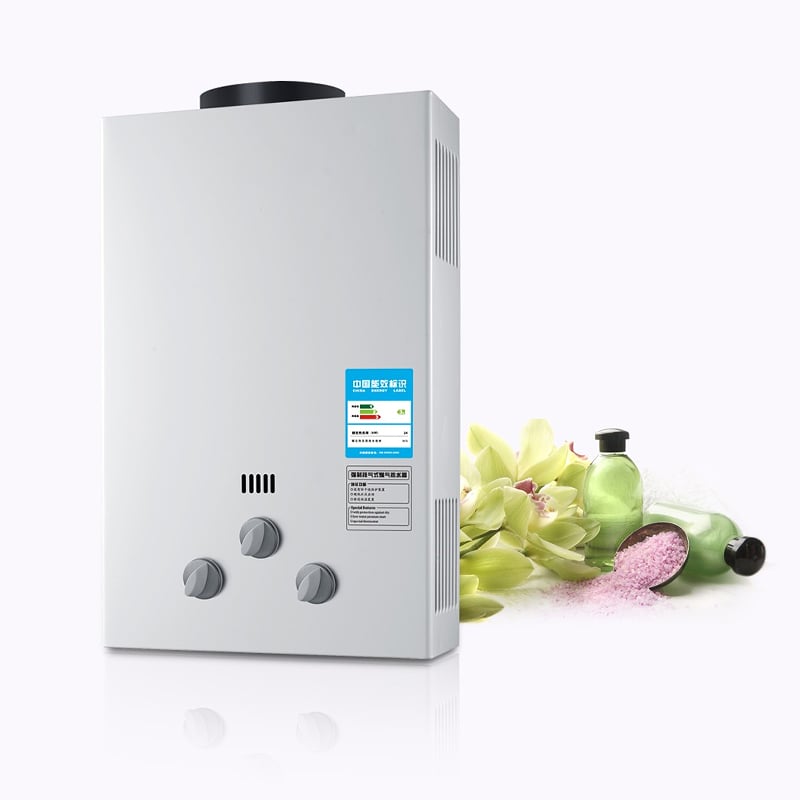
The importance of following safety guidelines cannot be overstated when dealing with gas-powered appliances. Modern gas water heaters incorporate numerous safety features, but proper installation, maintenance, and operation remain the responsibility of homeowners. These precautions help prevent dangerous situations including gas leaks, inadequate ventilation, and improper combustion that could lead to serious health risks or property damage.
Professional installation and regular maintenance form the foundation of comprehensive safety protocols. Beyond these basics, homeowners must understand daily operational safety, emergency procedures, and warning signs that indicate potential problems. This knowledge empowers residents to take immediate action when necessary and maintain their heating systems in optimal condition throughout their operational lifespan.
Installation and Setup Safety Requirements
Professional Installation Standards
Proper installation by certified professionals represents the most critical safety step for gas water heaters. Licensed technicians possess the expertise to ensure correct gas line connections, appropriate venting systems, and compliance with local building codes. They understand the precise clearance requirements around the unit, which typically demand at least six inches from combustible materials and adequate space for maintenance access.
During installation, professionals verify that gas supply lines meet pressure requirements and contain no leaks. They install appropriate shut-off valves in accessible locations and ensure the temperature and pressure relief valve connects to a proper discharge pipe. These technical aspects require specialized knowledge and tools that untrained individuals typically lack, making professional installation essential for safety.
The installation process also includes testing all safety systems and verifying proper operation before leaving the premises. Certified installers provide documentation of their work and educate homeowners about basic operation and safety procedures. This comprehensive approach establishes a solid foundation for years of safe operation while ensuring warranty coverage remains valid.
Ventilation and Clearance Considerations
Adequate ventilation prevents dangerous accumulation of combustion gases and ensures proper air supply for efficient operation. Gas water heaters require specific clearances from walls, ceilings, and combustible materials to prevent overheating and fire hazards. These clearances vary by model but typically range from six to eighteen inches depending on the specific surfaces and materials involved.
The installation location must provide sufficient air circulation for combustion and cooling. Confined spaces require additional ventilation openings to supply fresh air and remove heated air around the unit. Installing units in closets or small rooms without proper ventilation can create dangerous conditions including oxygen depletion and heat buildup.
Proper venting systems direct combustion gases safely outside the building through approved materials and configurations. The vent system must maintain proper slope and support while avoiding obstructions that could block gas flow. Regular inspection of vent connections and external terminations ensures continued safe operation and prevents dangerous gas accumulation inside living spaces.
Daily Operation and Monitoring Protocols
Temperature Control and Settings
Maintaining appropriate temperature settings prevents scalding while ensuring efficient operation and extending equipment lifespan. Most manufacturers recommend setting water temperature between 120 and 140 degrees Fahrenheit, with 120 degrees providing adequate hot water for most households while minimizing burn risk. Higher temperatures increase energy consumption and create more severe scalding potential, particularly dangerous for children and elderly residents.
Regular monitoring of water temperature helps identify potential problems with the thermostat or heating elements. Sudden temperature changes may indicate safety system activation, gas supply issues, or internal component failure. Homeowners should test hot water temperature monthly using a reliable thermometer to ensure consistent performance and safe operation.
The temperature and pressure relief valve serves as a critical safety component that prevents dangerous pressure buildup inside the tank. This valve should activate if water temperature exceeds 210 degrees Fahrenheit or tank pressure becomes excessive. Understanding how this valve operates and recognizing signs of activation helps homeowners respond appropriately to potentially dangerous situations.
Regular Visual Inspections
Weekly visual inspections help identify potential problems before they become serious safety hazards. Homeowners should check around the water heater for signs of water leaks, rust stains, or corrosion that could indicate tank deterioration. Any pooling water around the base requires immediate attention, as it may signal internal tank failure or connection problems.
Examining the venting system for proper connections and absence of rust or corrosion ensures continued safe operation. The vent should show no signs of damage, separation, or blockage that could prevent proper exhaust gas flow. Any unusual odors, particularly the smell of gas or burning materials, require immediate investigation and potential professional service.
Checking the area around the unit for proper clearances and absence of stored combustible materials maintains fire safety. Items such as paint, cleaning supplies, gasoline, or paper products should never be stored near the water heater. The pilot light and burner operation should appear steady and blue, with yellow or orange flames indicating potential problems requiring professional attention.
Emergency Safety Procedures
Gas Leak Detection and Response
Recognizing gas leak warning signs enables quick response that can prevent serious accidents or explosions. Natural gas produces a distinctive sulfur-like odor designed to alert residents to potential leaks. However, some individuals may have difficulty detecting this smell, making it important to install gas detectors in areas near gas appliances for additional protection.
Upon detecting a suspected gas leak, residents should immediately turn off the gas supply valve and avoid creating sparks or flames. This means not using electrical switches, telephones, or any devices that could generate ignition sources. Opening windows and doors helps ventilate the area while evacuating all occupants to a safe location away from the building.
Contact emergency services and the gas utility company from a safe location away from the suspected leak area. Professional technicians have specialized equipment to locate and repair gas leaks safely. Never attempt to repair gas connections or investigate leak sources without proper training and equipment, as these actions could worsen the situation or create additional hazards.
Carbon Monoxide Prevention
Carbon monoxide represents an invisible, odorless threat that can result from improper combustion or inadequate ventilation. Installing carbon monoxide detectors near gas appliances and sleeping areas provides early warning of dangerous gas accumulation. These detectors should be tested monthly and have batteries replaced according to manufacturer recommendations.
Symptoms of carbon monoxide poisoning include headaches, dizziness, nausea, and fatigue, which can be mistaken for flu-like illness. If multiple household members experience these symptoms simultaneously, immediate evacuation and fresh air exposure are essential. Seeking medical attention after suspected carbon monoxide exposure helps prevent serious health consequences.
Preventing carbon monoxide production requires maintaining proper ventilation and ensuring regular professional maintenance. Blocked vents, damaged heat exchangers, or improper installation can create conditions for carbon monoxide generation. Annual inspections by qualified technicians help identify and correct problems before they create dangerous situations.
Maintenance and Professional Service
Annual Inspection Requirements
Professional annual inspections provide comprehensive evaluation of all safety systems and operational components. Qualified technicians examine internal components, test safety devices, and verify proper gas pressures and combustion characteristics. These inspections often identify developing problems before they create safety hazards or cause complete system failure.
During annual service, technicians clean burner assemblies, check vent systems, and test the temperature and pressure relief valve. They also examine the anode rod that prevents tank corrosion and assess overall tank condition. This preventive approach extends equipment life while maintaining optimal gas water heater safety performance throughout the system's operational period.
Documentation from annual inspections provides valuable records for warranty claims and helps track system performance over time. These records also demonstrate proper maintenance when selling property or dealing with insurance claims. Scheduling annual service at consistent times helps ensure continuous safe operation and prevents unexpected failures during peak usage periods.
Component Replacement and Upgrades
Replacing worn components before failure prevents safety hazards and maintains efficient operation. The anode rod typically requires replacement every three to five years, depending on water quality and usage patterns. This relatively inexpensive component prevents tank corrosion that could lead to dangerous leaks or complete tank failure.
Temperature and pressure relief valves should be tested annually and replaced if they fail to operate properly or show signs of corrosion. These critical safety devices must function correctly to prevent dangerous pressure buildup that could result in tank rupture. Professional technicians can perform proper testing and replacement of these important safety components.
Upgrading older systems with modern safety features enhances protection and efficiency. Newer models include improved safety controls, better insulation, and more reliable components. When replacement becomes necessary, selecting units with enhanced safety features and energy efficiency ratings provides long-term benefits for both safety and operational costs.
FAQ
How often should I have my gas water heater professionally inspected
Professional inspection should occur annually to ensure all safety systems function properly and identify potential problems before they become hazardous. Annual service includes checking gas connections, testing safety valves, examining the venting system, and verifying proper combustion. This preventive approach helps maintain safe operation while extending equipment lifespan and maintaining warranty coverage.
What should I do if I smell gas near my water heater
Immediately turn off the gas supply valve and avoid creating sparks or flames by not using electrical switches or phones near the area. Evacuate all occupants and pets from the building, then contact emergency services and your gas utility company from a safe location. Do not re-enter the building or attempt to investigate the source of the gas smell until professionals have declared the area safe.
Can I install a gas water heater myself to save money
Gas water heater installation requires professional expertise due to safety requirements involving gas connections, proper venting, and compliance with local codes. Improper installation can result in gas leaks, carbon monoxide poisoning, fire hazards, or code violations that affect insurance coverage and property values. Licensed professionals have the training, tools, and knowledge necessary to ensure safe installation and proper operation.
What are the warning signs that my gas water heater needs immediate attention
Key warning signs include gas odors, water pooling around the base, rusty or discolored water, unusual noises during operation, and pilot light problems. Yellow or orange flames instead of blue indicate combustion issues requiring professional service. Any signs of corrosion on the tank or connections, inadequate hot water production, or activation of the temperature and pressure relief valve also warrant immediate professional evaluation.