EN
EN


Why Might a Gas Room Heater Be the Best Choice for Quick Heating?
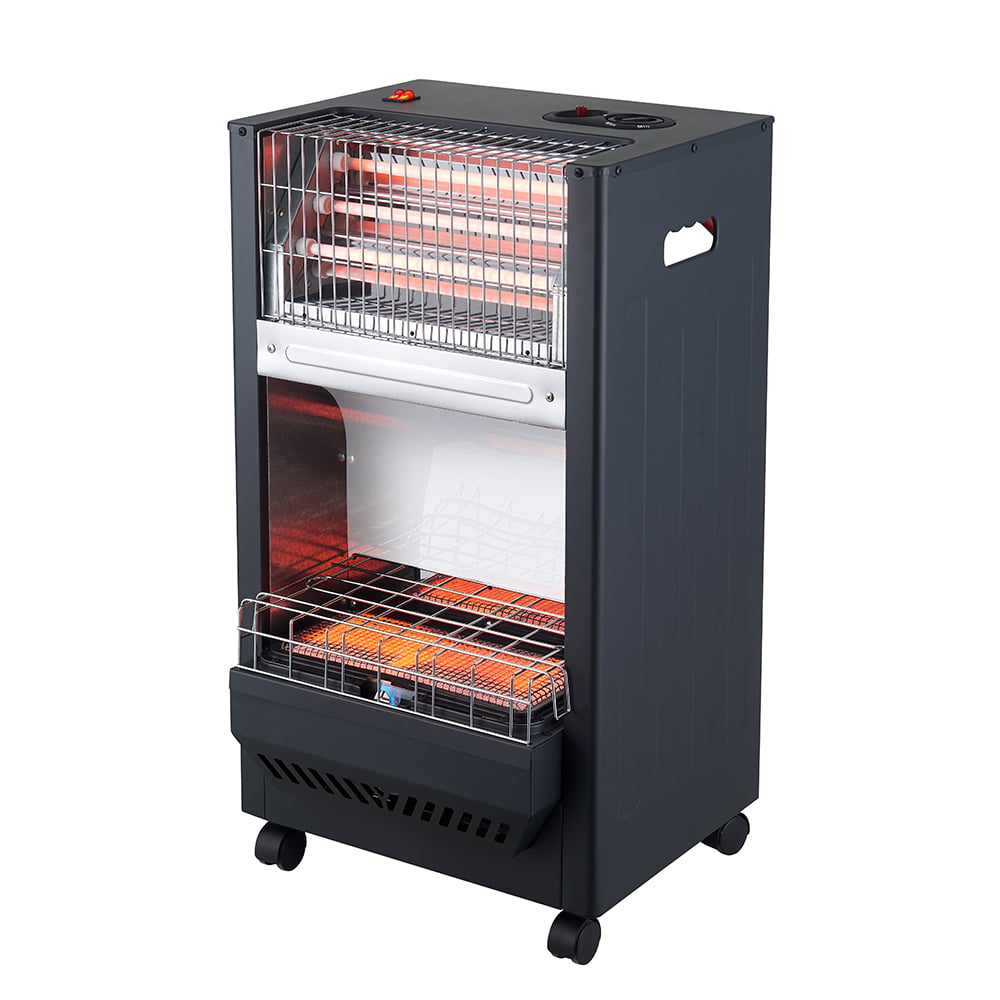
When temperatures drop and you need immediate warmth, finding the most efficient heating solution becomes a priority. Among the various heating options available, a gas room heater stands out as one of the most effective choices for rapid temperature control. These versatile heating appliances offer instant heat generation, making them ideal for both residential and commercial spaces where quick warming is essential. Unlike electric alternatives that require time to reach optimal performance, a gas room heater delivers immediate results with superior energy efficiency and cost-effectiveness.
Understanding Gas Room Heater Technology
Combustion Mechanics and Heat Distribution
The fundamental principle behind every gas room heater involves the controlled combustion of natural gas or propane to generate heat energy. This process occurs within a sealed combustion chamber where gas mixes with air in precise ratios, creating a clean-burning flame that produces consistent heat output. The resulting thermal energy is then distributed throughout the room through various methods including radiant heat, convective air circulation, or a combination of both technologies.
Modern gas room heater units incorporate advanced heat exchangers that maximize thermal transfer efficiency while maintaining safety standards. These exchangers capture and redirect heat that would otherwise escape through ventilation systems, ensuring that more energy contributes directly to room warming. The sophisticated design allows for precise temperature control and maintains consistent heat output regardless of external weather conditions.
Safety Features and Modern Innovations
Contemporary gas room heater models include multiple safety mechanisms designed to prevent accidents and ensure reliable operation. Oxygen depletion sensors automatically shut off gas flow when oxygen levels drop below safe thresholds, while tip-over switches prevent operation if the unit becomes unstable. Additionally, flame failure devices immediately stop gas supply if the pilot light or main burner extinguishes unexpectedly.
Advanced gas room heater systems now feature electronic ignition systems that eliminate the need for constantly burning pilot lights, reducing gas consumption and improving safety. These innovations include piezoelectric starters and hot surface igniters that provide reliable lighting while consuming minimal energy. Smart thermostatic controls allow users to maintain precise temperature settings while optimizing fuel efficiency throughout the heating cycle.
Efficiency Advantages of Gas Heating Systems
Rapid Heat Generation Capabilities
The primary advantage of a gas room heater lies in its ability to produce heat almost instantaneously upon activation. Unlike electric heating systems that require time to warm up heating elements, gas combustion generates immediate thermal energy that begins warming the surrounding air within seconds. This rapid response makes gas heating particularly valuable in situations where quick temperature adjustment is necessary.
Comparative studies demonstrate that a properly sized gas room heater can raise room temperature by 10-15 degrees Fahrenheit within the first ten minutes of operation. This performance significantly exceeds electric alternatives, which typically require 15-30 minutes to achieve similar temperature increases. The immediate heat production capability makes gas heaters especially suitable for intermittent use in workshops, garages, or seasonal living spaces.
Energy Conversion and Cost Efficiency
Gas room heater systems achieve exceptional energy conversion rates, typically converting 85-95% of fuel energy directly into usable heat. This high efficiency ratio results from the direct combustion process that eliminates energy losses associated with electricity generation and transmission. Natural gas prices generally remain more stable and lower than electricity rates, providing consistent cost advantages for heating applications.
Long-term operational costs favor gas heating systems, particularly in regions where natural gas infrastructure provides reliable supply networks. A gas room heater typically costs 30-50% less to operate than equivalent electric heating systems, with savings increasing in proportion to usage frequency and duration. These economic benefits become more pronounced during extended heating seasons or in applications requiring continuous temperature maintenance.
Installation and Ventilation Considerations
Proper Ventilation Requirements
Successful gas room heater installation requires careful attention to ventilation specifications to ensure safe operation and optimal performance. Adequate air circulation prevents carbon monoxide accumulation while providing sufficient oxygen for complete combustion. Most gas room heater models specify minimum room volumes and air exchange rates necessary for safe operation in enclosed spaces.
Direct-vent gas room heater systems offer enhanced safety by drawing combustion air from outside while exhausting combustion products through dedicated venting systems. These configurations eliminate concerns about indoor air quality while maintaining heating efficiency. Vent-free models require careful monitoring of room size and usage duration to prevent oxygen depletion and moisture accumulation that could affect indoor air quality.
Gas Supply and Connection Standards
Proper gas supply connections ensure reliable fuel delivery and safe operation of any gas room heater installation. Natural gas connections require professional installation to meet local building codes and safety regulations, while propane systems offer greater installation flexibility through portable tank options. Gas pressure regulators maintain consistent fuel flow regardless of supply line pressure variations.
Professional installation guarantees compliance with manufacturer specifications and local safety requirements while ensuring optimal performance characteristics. Certified technicians verify proper gas line sizing, pressure testing, and leak detection procedures that protect both property and occupants. Regular maintenance scheduling helps maintain peak efficiency and extends the operational lifespan of gas room heater systems.
Applications and Suitable Environments
Residential Heating Solutions
Gas room heater installations provide excellent supplemental heating for homes with inadequate central heating systems or rooms that require additional warmth. These units excel in spaces like basements, workshops, three-season porches, or master bedrooms where independent temperature control offers comfort and energy savings. Zoned heating approaches using strategically placed gas heaters can reduce overall heating costs by warming only occupied areas.
Emergency heating applications benefit significantly from gas room heater reliability during power outages when electric heating systems become unavailable. Many gas heater models operate independently of electrical power, providing essential warmth during severe weather events or utility interruptions. This reliability makes gas heating an important component of comprehensive emergency preparedness planning for cold climate regions.
Commercial and Industrial Uses
Commercial facilities utilize gas room heater systems for targeted heating in warehouses, retail spaces, workshops, and temporary structures where central heating may be impractical or inefficient. The ability to provide immediate heat on demand makes these systems valuable for businesses that operate on variable schedules or seasonal patterns. Construction sites and outdoor work areas benefit from portable gas heating solutions that deliver effective warmth in challenging environments.
Industrial applications leverage the robust performance characteristics of commercial-grade gas room heater units designed for continuous operation under demanding conditions. These heavy-duty systems provide reliable heating for manufacturing facilities, equipment maintenance areas, and specialized work environments where consistent temperature control supports operational efficiency and worker comfort throughout extended operational periods.
Maintenance and Operational Best Practices
Routine Maintenance Procedures
Regular maintenance ensures optimal performance and extends the service life of any gas room heater installation. Monthly cleaning of intake grilles and heat exchangers prevents dust accumulation that can reduce efficiency and create fire hazards. Annual professional inspections verify proper combustion characteristics, safety system functionality, and gas connection integrity to maintain safe operating conditions.
Seasonal preparation includes checking pilot light operation, cleaning burner assemblies, and testing safety shut-off systems before heating season begins. Proper storage procedures for portable gas room heater units protect components from moisture and debris during non-use periods. Following manufacturer maintenance schedules helps prevent premature component failure while maintaining warranty coverage and operational reliability.
Troubleshooting Common Issues
Understanding basic troubleshooting procedures helps identify and resolve minor gas room heater problems before they require professional service. Common issues include pilot light problems, thermostat malfunctions, and airflow restrictions that can typically be addressed through systematic diagnostic approaches. Recognizing symptoms of more serious problems ensures timely professional intervention when necessary.
Safety considerations require immediate professional attention for any suspected gas leaks, combustion problems, or ventilation issues that could affect safe operation. Users should never attempt repairs involving gas connections or safety systems without proper training and certification. Establishing relationships with qualified service technicians ensures prompt response when professional maintenance or repairs become necessary.
Environmental Impact and Sustainability
Emission Characteristics and Clean Burning
Modern gas room heater technology achieves remarkably clean combustion with minimal environmental impact when compared to alternative heating fuels. Natural gas burns more completely than oil or wood-based systems, producing lower particulate emissions and reduced greenhouse gas output per unit of heat generated. Advanced combustion systems further minimize emission levels through optimized air-fuel mixing and complete fuel consumption.
Environmental benefits extend beyond direct emissions to include reduced strain on electrical grid systems during peak heating periods. By utilizing direct gas combustion rather than electrically generated heat, gas room heater systems reduce overall energy infrastructure demands while maintaining superior heating performance. This distributed approach to heating supports grid stability while providing consumers with reliable, efficient thermal comfort solutions.
Renewable Gas Integration Potential
Emerging renewable natural gas technologies create opportunities for gas room heater systems to utilize increasingly sustainable fuel sources derived from organic waste materials and biogas production facilities. These renewable gas supplies provide carbon-neutral heating options that maintain the performance advantages of traditional natural gas while supporting environmental sustainability objectives.
Future developments in hydrogen fuel integration may further enhance the environmental profile of gas room heater technology as hydrogen production from renewable sources becomes more economically viable. Manufacturers continue developing combustion systems capable of utilizing various gas compositions, ensuring that existing gas heating infrastructure remains compatible with evolving sustainable fuel options.
FAQ
How quickly can a gas room heater warm up a space
A properly sized gas room heater typically begins producing noticeable warmth within 30-60 seconds of ignition and can raise room temperature by 10-15 degrees Fahrenheit within 10-15 minutes. The exact timing depends on room size, insulation quality, starting temperature, and heater capacity. Gas heating provides significantly faster warm-up times compared to electric alternatives that may require 20-30 minutes to achieve similar temperature increases.
What safety precautions are essential when operating a gas room heater
Essential safety measures include ensuring adequate ventilation, maintaining clearance distances from combustible materials, installing carbon monoxide detectors, and following manufacturer guidelines for room size limitations. Never operate a gas room heater in bedrooms or bathrooms unless specifically designed for those applications. Regular inspection of gas connections, proper annual maintenance, and immediate attention to any gas odors help prevent dangerous situations.
Can a gas room heater operate during power outages
Many gas room heater models operate independently of electrical power, making them valuable emergency heating sources during power outages. Units with pilot lights and manual controls can function normally without electricity, though models with electronic ignition or electric fans require battery backup or manual operation modes. Always verify your specific model's power requirements and emergency operation capabilities before relying on it during electrical outages.
How does the operating cost of a gas room heater compare to electric heating
Gas room heater operating costs typically run 30-50% lower than comparable electric heating systems, with exact savings depending on local fuel prices and electricity rates. Natural gas prices generally remain more stable than electricity costs, and gas heating systems convert fuel to heat more efficiently than the electrical generation and transmission process. The cost advantage becomes more pronounced with increased usage frequency and duration throughout heating seasons.