EN
EN


חדשות
מאפייני בראב: הערכת אלמנטים מרכזיים להגדרת ההתקנה שלכם
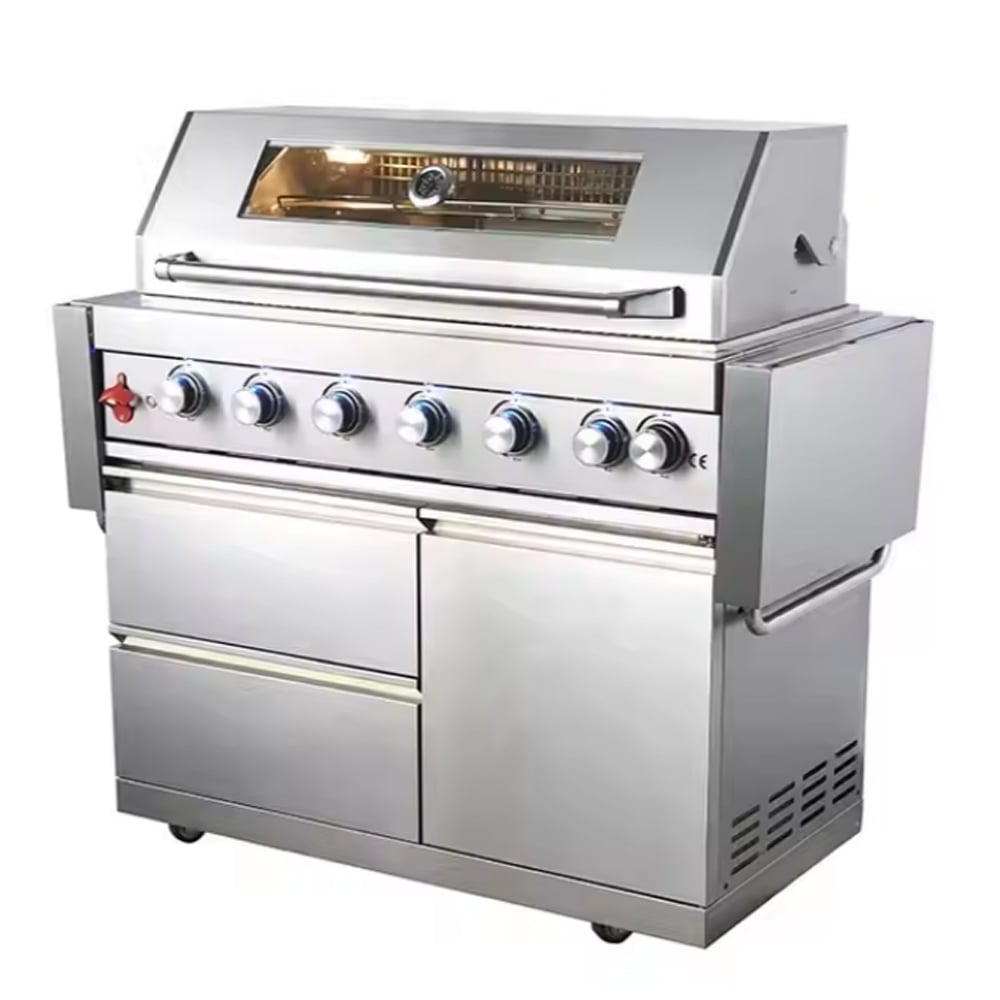
בחירת הנכון BBQ ההתקנה דורשת הערכה זהירה של מספר תכונות שמשפיעות ישירות על ביצועי הבישול שלכם, על היכולת להסתגל למגוון מטלות ובאופן כללי על החוויה שלכם בבישול על הגראיל. ציוד גראיל מודרני מציע טווח רחב של יכולות, החל מתפקידי בישול בסיסיים ועד למערכות בקרה מתקדמות בטמפרטורה, והבנת התכונות המתאימות לצרכים הספציפיים שלכם עשויה לקבוע האם ההשקעה שלכם תניב תוצאות יוצאות דופן או שתהפוך למקור של תסכול במהלך ישיבות הבישול בחוץ.
בין אם אתם יוסדים מרחב חדש לבישול בחוץ או משדרגים ציוד קיים, האלמנטים המרכזיים בהגדרת הגראיל שלכם יעצבו באופן יסודי את יכולות הבישול שלכם ואת שביעות הרצון שלכם לאורך זמן. ממנגנוני הפצת החום ועד לתחזוקת יעילות הדלק, כל תכונה משחקת תפקיד קריטי בקביעת האופן שבו ההגדרה שלכם ממלאה את המטרות הקולינריות שלכם ואת דרישות האירוח שלכם.
מערכות חימום ושליטה בטמפרטורה חיוניות
הגדרת מקור החום העיקרי
הבסיס של כל מערכת בברבקיו אפקטיבית הוא מערכת ייצור החום שלה, אשר קובעת את עקביות הבישול, טווח הטמפרטורות והיעילות בשימוש בדלק לאורך כל ישיבות הבישול שלכם. יחידות ברביקיו המופעלות בגז כוללות בדרך כלל מספר מדורים נפרדים שניתן לשלוט בהם באופן עצמאי, מה שמאפשר בישול מדויק באזורים מסוימים, ומאפשר לכם לשמור על אזורים בעלי טמפרטורות שונות עבור מזונות שונים בו זמנית. יכולת הריבוי הזו של האזורים קריטית כאשר מבשלים מוצרי מזון הדורשים רמות חום שונות, כגון חיזוק סטייקים בטמפרטורה גבוהה תוך שמירה על ירקות חמים בהגדרות נמוכות יותר.
מערכות בבריקות חשמליות מספקות שימור טמפרטורה עקבי באמצעות פקדים דיגיטליים, מה שהופך אותן למתאימות במיוחד לסביבות שבהן אין אפשרות להתחברות לגז או שבהן יש הגבלות על כך. יחידות אלו מצליחות לשמור על טמפרטורת בישול יציבה לאורך תקופות ארוכות, אם כי הן עשויות לחסר את היכולת להתאים את החום במהירות, כפי שמבשלים מנוסים מעדיפים לטכניקות הדורשות שינויים מהירים בטמפרטורה. תצורת אלמנט החימום בדגמים החשמליים משפיעה באופן ישיר על דפוסי הפצת החום ועל יעילות הבישול בכל שטח הבריקה.
מבנים מבוססי פחם עץ BBQ מספקים שיפור אוטנטי של הטעם באמצעות שילוב עשן עץ, למרות שדורשים ניהול פעיל יותר של הטמפרטורה בהשוואה לחלופות הגזיות או החשמליות. הבנת יכולות מקור החום עוזרת לקבוע איזו תצורה מתאימה ביותר לסטיל הבישול שלכם, לתדירות השימוש ולדרגת הדיוק הרצויה בשליטה בטמפרטורה.
תכונות מתקדמות לניטור טמפרטורה
ציוד בарביקיו מודרני כולל יותר ויותר מערכות מתקדמות למדידת טמפרטורה שמספקות משוב בזמן אמת על תנאי המגש של הבישול וטמפרטורת הפנים של המזון. מדדי טמפרטורה דיגיטליים מאפשרים ניטור רציף של דרגת הבישול של הבשר ללא צורך לפתוח את מגש הבישול, מה שמאפשר לשמור על רמות חום עקביות תוך התאמה לסטנדרטים של בטיחות המזון לאורך תהליך הבישול.
תכונות החיבור беспровודית ביחדות בارביקיו עתידניות מאפשרות ניטור טמפרטורה מרחוק באמצעות יישומים לטלפונים חכמים, כך שניתן לעקוב אחר התקדמות הבישול תוך כדי ביצוע משימות אחרות או קבלת אורחים. מערכות אלו כוללות לעיתים קרובות התראות מתוכנתות שמודיעות לך כאשר הושגו טמפרטורות יעד או כאשר יש תנודות בטמפרטורה הדורשות תשומת לב, ובכך מפחיתות את הסיכון לבישול יתר או תת-בישול של מרכיבים יקרים.
יכולות רב-חישוף מאפשרות ניטור בו-זמני של פריטי מזון שונים או של מיקומים שונים בתוך תיבת הבישול, ומספקות עקבה מקיפה של ארוחות מורכבות הכוללות רכיבים מרובים. הדיוק וזמן התגובה של מערכות ניטור הטמפרטורה משפיעים ישירות על היכולת שלך להשיג תוצאות עקביות ולפתח ביטחון בטכניקות ובזמנים של הבישול שלך.
עיצוב שטח הבישול והתחשבות בחומר ממנו הוא עשוי
חומר הסריג ואיכות הבנייה
חומר שטח הבישול משפיע באופן משמעותי על שימור החום, תכונות שחרור המזון והעמידות לטווח הארוך בתנאי שימוש קבוע בברביקיו. מסגרות נירוסטה מציעות עמידות מעולה לקורוזיה ומאפייני ניקיון קלים, אם כי עלול להיות צורך לחמם אותן מראש כדי להשיג תכונות אופטימליות של שחרור המזון. משטחים מברזל יצוק מספקים שימור חום מעולה ומפתחים תכונות לא דביקות טבעיות עם הזמן באמצעות השריית מתאימה, אם כי הם דורשים תחזוקה רבה יותר למניעת היווצרות חלודה.
מסגרות מצופות פורצלן משלבות את היתרונות של ברזל יצוק בשימור החום עם עמידות משופרת לקורוזיה, אם כי הציפוי עלול להתנתק עקב ניקיון אגרסיבי או פגיעה מכנית. העובי ואיכות הבנייה של מסגרות הבישול משפיעים על אחידות הפצת החום ועל האינטגריות המבנית בתנאי טמפרטורות גבוהות, כאשר בנייה כבדה יותר מספקת בדרך כלל ביצועים טובים יותר וארך חיים ארוך יותר.
המרחק בין הסורגים ועובי הברים משפיעים על הגמישות בבישול: מרחק צמוד יותר מונע נפילת פריטים קטנים, בעוד שמרחק רחבה יותר מאפשר זרימת אויר טובה יותר לטכניקות בישול מסוימות. הבנת מאפייני החומר האלה עוזרת לכם לבחור ציוד לברביקיו שמתאים להעדפות הבישול שלכם וליכולות התחזוקה שלכם.
גודל ואופן תצורת תא הבישול
המידות הפנימיות והסידור של תא הבישול בברביקיו קובעים את מגבלות הקיבולת ואת אפשרויות טכניקות הבישול עבור פעילויות ההכנה החיצוניות שלכם. מדידות שטח הבישול העיקרי מציינות את הכמות המרבית של פריטי מזון שניתן לבשל בו בעת, בעוד שהגובה הפנימי משפיע על היכולת שלכם להכיל חתיכות בשר גדולות יותר או כלי בישול מכוסים.
משטחי בישול מרובה רמות מרחיבים את הקיבולת ומאפשרים אזורים שונים לבישול במרחקים שונים מהמקור העיקרי של החום, ובכך מספקים גמישות להתחממות, לבישול עקיף או להכנות רגישות לטמפרטורה. היחס בין שטח משטח הבישול והתפלגות מקור החום משפיע על אחידות הטמפרטורה ועל היכולת ליצור אזורים נפרדים לבישול עבור סוגי מזון שונים.
משטחי בישול ניתנים להסרה או להתאמה משפרים את הנגישות לניקוי ומאפשרים התאמה של הتكوين הפנימי בהתאם לדרישות הבישול הספציפיות. יחידות ברביקיו עם רכיבים פנימיים מודולריים מספקות גמישות רבה יותר לטכניקות בישול שונות, תוך שמירה על שלמות מבנית בתנאי שימוש רגילים.
שילוב שטח לאחסון ולהכנה
פתרונותolutions אחסון מובנה
מערכות ברביקיו יעילות כוללות אזורים לאחסון הממוקמים באסטרטגיה ששמורים על כלים חיוניים לבישול, תיבול וציוד בטווח יד קל בעת הכנת המזון ובזמן הבישול. איחסון בארונות התחתונים מגן על הציוד מפני חשיפה לגורמים מетеורולוגיים ומספק מקום מאורגן לפריטים בשימוש תכוף כגון מקלחות, משקפות, מד חום וציוד ניקוי.
תאים מיוחדים לאחסון דלק מבטיחים שבקבוקי פרופאן או אספקת פחמן עץ ישארו יבשים וברוב יד קל, תוך שמירה על מרחק בטוח מהמקורות החמים. חלק ממערכות הברביקיו כוללות איחסון מיוחד לשבבי עץ, לגדי עישון או לקופסאות להטמעה, כדי לתמוך בטכניקות בישול מורחבות ואפשרויות השבחת הטעם.
המיקום והנגישות של תאי האחסון משפיעים על יעילות זרימת העבודה במהלך פעולות הבישול, כאשר תכנונים מוצלחים מפחיתים את התנועה בין פעולות ההכנה לבישול. תכונות אחסון עמידות למטאורולוגיה מגינות על אבזרים יקרים ומאריכות את תקופת הפעולה שלהן בתנאי חוץ.
דרישות משטח ההכנה
שטח הכנה מספיק בצד אזורים הבישול מאפשר טיפול יעיל במזון, הוספת תיבול וארגון הצלחתים לאורך כל ישיבות הבישול על הגראיל שלכם. שולחנות צדדיים או משטחי עבודה מורחבים מספקים אזורים להצגה של מרכיבים רגילים, מנות מוכנות וצלחות Серוויס ללא הצפה של אזור הבישול העיקרי.
בחירת החומר למשטחי ההכנה צריכה לשים דגש על ניקיון קל, עמידות בחום ועומדנות בתנאי חוץ, כאשר נירוסטה ואבן הנדסית מציעים מאפייני ביצוע אופטימליים. הגובה והמיקום של משטחי העבודה ביחס לרשתות הבישול משפיעים על הנוחות הארגונומית במהלך ישיבות בישול ממושכות.
אחסון מובנה של לוחות קציצה או אזורים מובנים להכנה מעניקים זרימה חלקה לתהליכי טיפול במזון תוך שמירה על תנאי סניטציה לאורך כל פעולות הבישול. מערכות ברביקיו עם שטח הכנה מספק תומכות בהכנה מורכבת יותר של ארוחות ובמצבים של אירוח ללא פגיעה בבטיחות או ביעילות.
גורמים של יעילות הדלק והעלויות הפעולתיות
אופטימיזציה של צריכת אנרגיה
עיצובי בברב מודרניים כוללים מגוון תכונות שנועדו למקסם את יעילות השימוש בדלק תוך שמירה על ביצועי בישול אופטימליים בטווחי טמפרטורות שונים ומשך בישול שונה. איכות הבדל של קירות המגש ובצמרות משפיעה באופן משמעותי על שימור החום, מה שמביא להפחתת צריכת הדלק הנדרשת לשמירה על טמפרטורת היעד במהלך ישיבות בישול ממושכות.
עיצוב המבערים ודפוסי הפיזור של השלהבת משפיעים על יעילות השימוש בדלק, כאשר מערכות מעוצבות היטב מספקות כיסוי חום אחיד תוך מינימיזציה של אנרגיה מבוזבזת. יחידות בברב מתקדמות עשויות לכלול תכונות כגון אלמנטי חימום באינפרה-אדום או מערכות שחזור חום שמאפשרות ללכוד ולتوجيه מחדש את האנרגיה התרמית לשיפור היעילות הכוללת.
מערכות הצתה אוטומטיות מפחיתות את בזבוז הדלק הקשור לתהליכי ההצתה הידניים, ומספקות ביצועי הפעלה מהימנים בתנאי מזג אוויר שונים. הבנת מאפייני צריכת הדלק עוזרת לכם לאמוד את עלויות הפעלה ולבחור ציוד ברביקיו שנותן ערך אופטימלי בהתאם לדפוסי השימוש שצפויתם.
נגישות וניהול מקור הדלק
עיצוב מערכות האספקה והניהול של הדלק משפיע על הנוחות, הבטיחות והיעילות הפעולה לאורך כל פעילויות הבישול שלכם על הברביקיו. מערכות החיבור לגז צריכות לספק נקודות חיבור בטוחות וחוסנות לדליפה, עם פקדי כיבוי נגישים בקלות למקרים חירום או לצורך תחזוקה רגילה.
מערכות מדידת דלק או יכולות ניטור עוזרות למנוע ניצול לא צפוי של הדלק במהלך פעולות בישול, ומאפשרות לכם לתכנן מילוי מחדש או החלפת דלק לפני פעולות בישול קריטיות.
תכונות ניהול פחמן עץ כגון מחסומים מתכווננים לזרימת אוויר, מערכות איסוף אפר ניתנות להסרה ומסגרות אש עם גישה קלה תומכות בשימוש יעיל בדלק ובפעולות ניקיון. הנגישות של פקדי ניהול הדלק במהלך פעולות הבישול משפיעה על היכולת שלכם לבצע התאמות בזמן אמת ללא פגיעה בבטיחות או בהתקדמות הבישול.
תכונות בטיחות ומערכות הגנה
הגנה מפני חום ובידוד
מערכות הגנה מקיפות מפני חום מונעות בעיות של שרפות אקראיות ומשמרות מבנים סמוכים מפני נזק תרמי במהלך פעולות בарביקיו בטמפרטורות גבוהות. הבנייה דו-קירותית של קירות תא הבישול ולידיות יוצרת מחסומים תרמיים ששמורים על טמפרטורת פנים בטוחה גם במהלך ישיבות בישול אינטנסיביות.
מגיני חום ומערכות מוסרות מוסרות גזים חמים ומונעות להבה ישירה יצירת קשר מבחינה של מוצרי המזון במהלך טכניקות בישול עקיפי, ובמקביל מגינות על רכיבים פנימיים מפני חשיפה לטמפרטורות מופרזות. תכונות הגנה אלו מאריכות את משך חייו של הציוד ומאפשרות הפעלה בטוחה יותר סביב בני משפחה ואורחים.
מערכות כיבוי אוטומטיות ביחידות בарביקיו נזילים מספקות הגנה חירום מפני דליפות גז או מצבים של להבה לא מבוקרת, בעוד שמכשירי הגבלת טמפרטורה מונעים מצבים מסוכנים של חימום יתר.
יציבות מבנית והגנה ממטאורולוגיה
חומרי בנייה עמידים והנדסה איכותית מבטיחים שהציוד לברביקיו שלכם ישמור על שלמות מבניתו בתנאי שימוש רגילים ובער exposure לסביבה לאורך תקופות ארוכות. רכיבים מפלדת אלחاظ עמידים בפני קורוזיה הנגרמת מהumedidity וממוצרי השריפה, בעוד שנקודות חיבור מחוזקות מתמודדות עם התפשטות תרמית ומעמסות מכניות.
מאפייני הגנה מהתנאי מזג האוויר, כגון כיסויים מתאימים, מערכות ניקוז וסיומות עמידות לקלקון, שומרים על מצב הציוד והתפקוד שלו במהלך אחסון מחוץ לעונה או תקופות אי-שימוש זמניות. הגנה מתאימה מהתנאי מזג האוויר מאריכה באופן משמעותי את אורך החיים של הציוד ומשמרת את מאפייני הביצועים האופטימליים שלו.
דרישות היסודות ומערכות ההתקנה מבטיחות פעילות יציבה במהלך פעילויות בישול, תוך ספקת התנגדות לטעינה רוחנית ולתנודות סיסמיות בסביבות התקנה המתאימות. העיצוב המבני משפיע הן על הבטיחות והן על עקביות ביצועי הבישול לאורך כל חיי הפעולה של הציוד.
שאלות נפוצות
מה גודל משטח הבישול של הברביקיו אני צריך עבור מסעדות משפחתיות טיפוסיות?
למשפחות של ארבעה עד שישה אנשים, משטח בישול עיקרי בגודל 400–500 אינץ' רבועים מספק בדרך כלל קיבולת מספקת לארוחות יומיומיות ולמסיבות קטנות. דרישות בישול גדולות יותר למסיבות עשויות להרוויח מ-600–800 אינץ' רבועים של שטח בישול, בעוד שמערכות קומפקטיות בגודל 300–400 אינץ' רבועים מתאימות היטב לזוגות או למשקים קטנים עם אורחים מזדמנים.
מהי החשיבות של אזורי טמפרטורה מרובים בציוד ברביקיו?
אזורי טמפרטורה מרובים מרחיבים באופן משמעותי את הגמישות בבישול, בכך שמאפשרים הכנה בו זמנית של סוגי מאכלים שונים הדורשים רמות חום שונות. תכונה זו נоказת כמיוחדת ערך בעת הכנת ארוחות שלמות הכוללות חלבונים, ירקות ומנה עזרית, אשר כולן דורשות טמפרטורות אופטימליות שונות ודרישות זמן שונות לבישול.
אילו תכונות תחזוקה יש לשים דגש עליהן בבחירת ציוד ברביקיו?
הדריכו את המנחות למתן עדיפות לרשתות בישול ניתנות להסרה לצורך ניקוי קל, למערכות ניהול שומן נגישה ולחומרים עמידים בפני קורוזיה שמשמרים את המראה והתפקוד עם מינימום מאמץ לתחזוקה. רכיבים פנימיים נגישים בקלות ותהליכי פירוק פשוטים מקצרים את הזמן והמאמץ הנדרשים לפעולות ניקוי שגרתיות ולתחזוקה עונתית.
האם תכונות המonitoring אלחוטי מצדיקות את העלות הנוספות בהתקנות ברביקיו?
יכולות המonitoring האלחוטי מספקות ערך משמעותי למשתמשים שמבשלים לעיתים קרובות חתיכות גדולות הדורשות זמני בישול ממושכים, או לאלו שמעדיפים לבצע משימות מרובות בעת הבישול. תכונות אלו משפרות את עקביות הבישול ואת בטיחות המזון, ובאותה עת מפחיתות את הצורך במراقبה ידנית מתמדת – דבר שמועיל במיוחד ביישומים של עישון ואפייה איטית.