EN
EN


חדשות
מחממים חשמליים לעומת גז למקומות סגורים: השוואת עלות ותפקוד אמיתית לקונים
כשסוכן מרכיב אוסף של מחממים, ההחלטה הראשונה אינה באיזו מותג לבחור — אלא באיזו טכנולוגיה. גז או חשמל? התשובה משתנה בהתאם לשוק, למחירים המקומיים של אנרגיה ולאופן שבו ישתמשו במחמם. סוכנים שמדחיקים טכנולוגיה אחת בכל מקום מאבדים רווחים; אלו שמבינים את שתיהן יכולים לספק לכל לקוח המלצה מתאימה.
השוואה זו בוחנת מחממים חשמליים ומחממים לחדרים על בסיס גז, מנקודת מבט של קונה סיטונאי: עלויות פעילות אמיתיות, ביצועי חימום, התקנה, בטיחות ואילו מקטעים זוכים כל טכנולוגיה.
עלויות פעילות: ההשוואה שמכריעה את רוב ההזמנות
עלות הפעלה היא השאלה הראשונה שכל לקוח סופי שואל, והתשובה הכנה היא: זה תלוי לחלוטין במחירי האנרגיה המקומיים.
ההשוואה המועילה היא עלות ליחידת חום מסולקת. שני גורמים חשובים:
- מחיר הדלק ליחידת אנרגיה: ברוב אירופה ואזור הקהילה למדינות העצמאיות, גז (גז טבעי או GPL) זול יותר מהחשמל לכול קילוואט-שעה של חום, לעתים קרובות בהפרש גדול.
- יעילות מכשיר: מסך LED מודרני חמם חדר גז ממיר חלק גדול של אנרגיית הדלק לחום לחדר, ובקרת טרמוסטט מונעת הפעלה מיותרת. מחממים חשמליים בעלי התנגדות ממירים כמעט 100% מהחשמל לחום — אך הם שולמים על יעילות זו במחיר החשמל במד הספיקה.
הכלל המעשי למפיצים: בשווקים שבהם החשמל יקר יחסית לגז, מחממי גז לחדרים מנצחים מבחינת עלות הפעלה. בשווקים שבהם החשמל זול או שאין רשת הפצת גז, הפתרון החשמלי הוא האופציה הטבעית. מפיץ שמשרת מספר מדינות חייב להחזיק את שני סוגי המוצרים — ולהשתמש בנתוני המחירים המקומיים בעת ייעוץ לקמעונאים, ולא בכלל כללי.
ביצועי החימום: מהירות ונוחות שונות
שתי הטכנולוגיות מושכות תחושה שונה בחדר, וההבדל הזה משפיע על שביעות רצון הלקוחות:
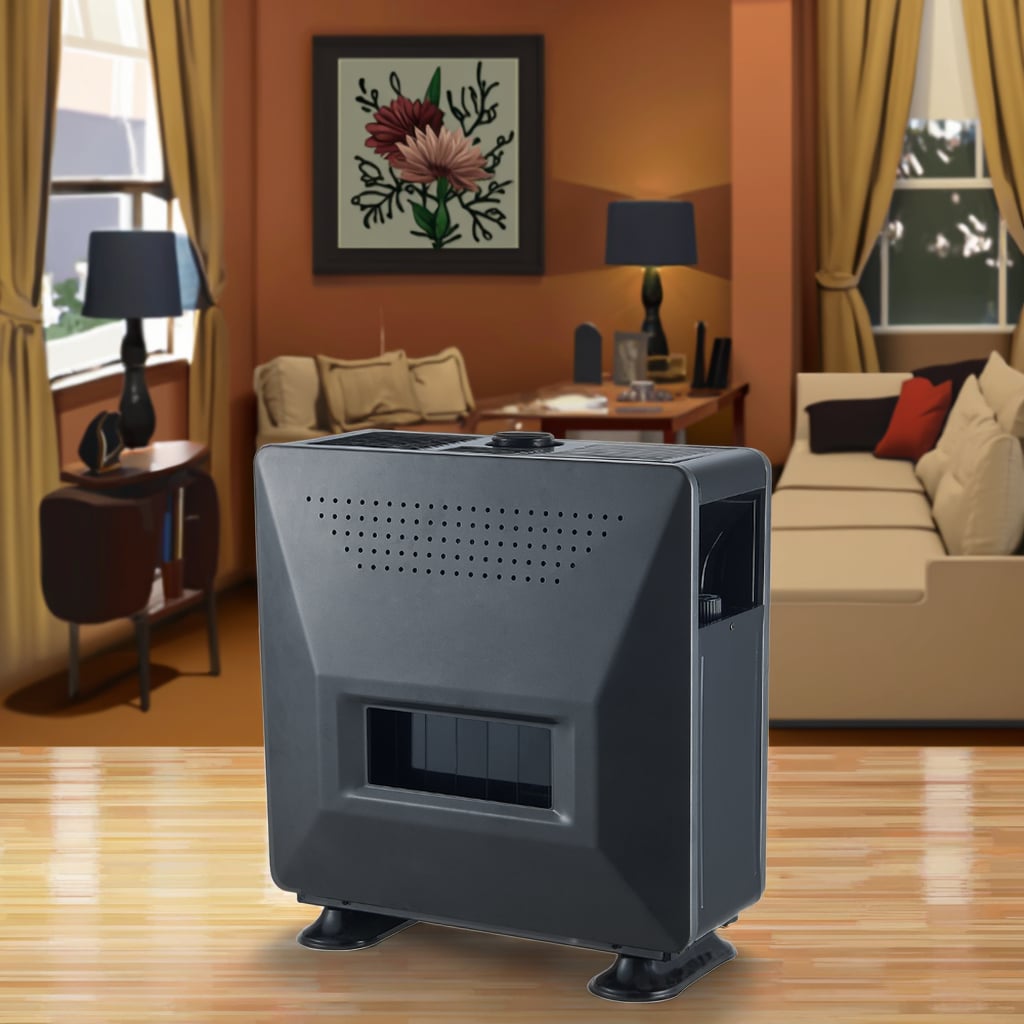
- מחממי קרינה בגז אובייקטים חמים ואנשים באופן ישיר, כמו אור השמש. המשתמשים מרגישים חום במהרה גם אם האוויר עדיין קר — ולכן מחממים גז נפוצים במרגעות, במרחבים תעשייתיים ובמרחבים פתוחים גדולים שבהם חימום אוויר היה איטי ומבזבז.
- מחממי גז קוניוקטיביים מחממים את אויר החדר ומספקים חום סביבתי יציב, המתאים למרחבי מגורים.
- مدיחי חשמל — בין אם הם עם מאוורר, ממולאים שמן או אינפרה אדום — משמשים בדרך כלל למרחבים קטנים יותר או לחימום מקומי. מחממי מאוורר מחממים חדר במהרה אך עלולים להיות רועשים; רדיטורים ממולאים שמן שותקים אך איטיים להתחממות; יחידות חשמל באינפרה אדום מספקות חום ישיר עם דרוג הספק נמוך.
למوزיע, ההודעה על הביצועים פשוטה: מחממי גז מתאימים לדרישות חום גבוהות ולמרחבים גדולים או לרעועי בידוד; חשמל מתאים לחדרים קטנים ושוקים שבהם גז אינו מעשי.
התקנה והניידות
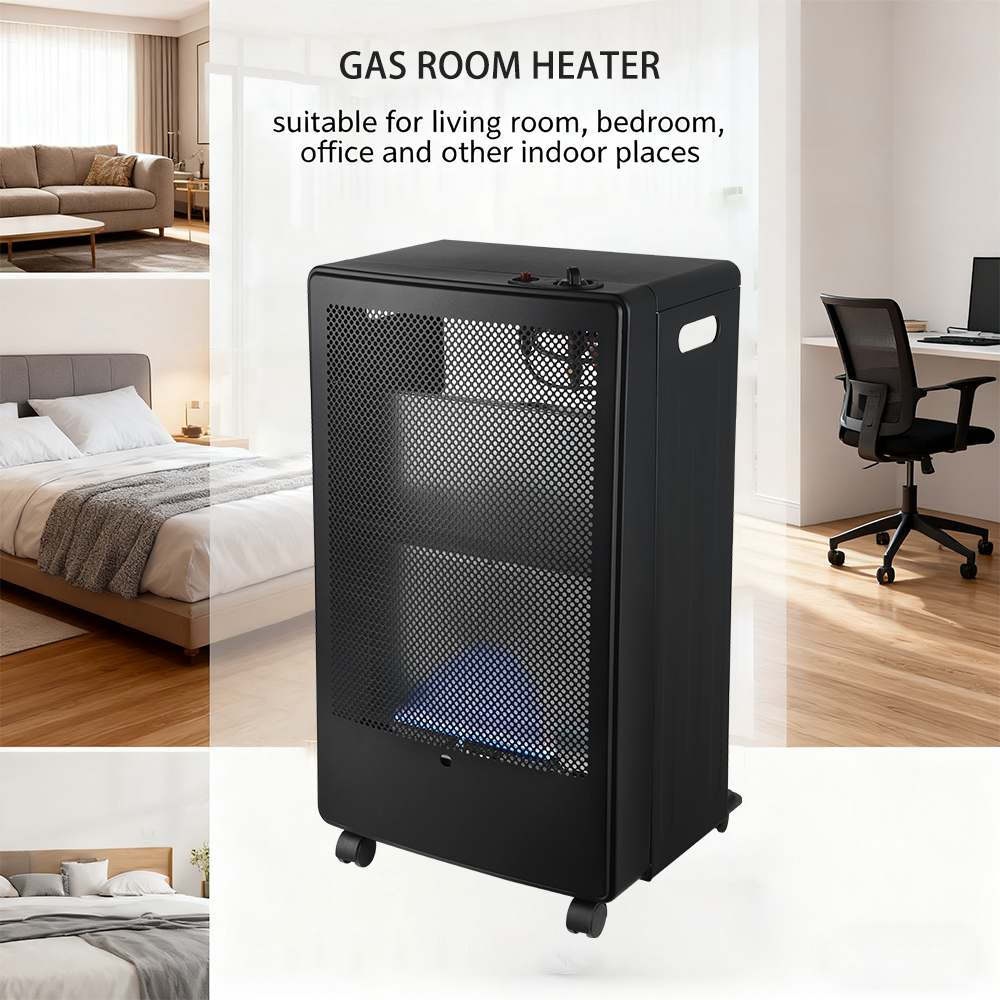
חומרי חימום לחדר גז מופיעים בשני פרופילי התקנה:
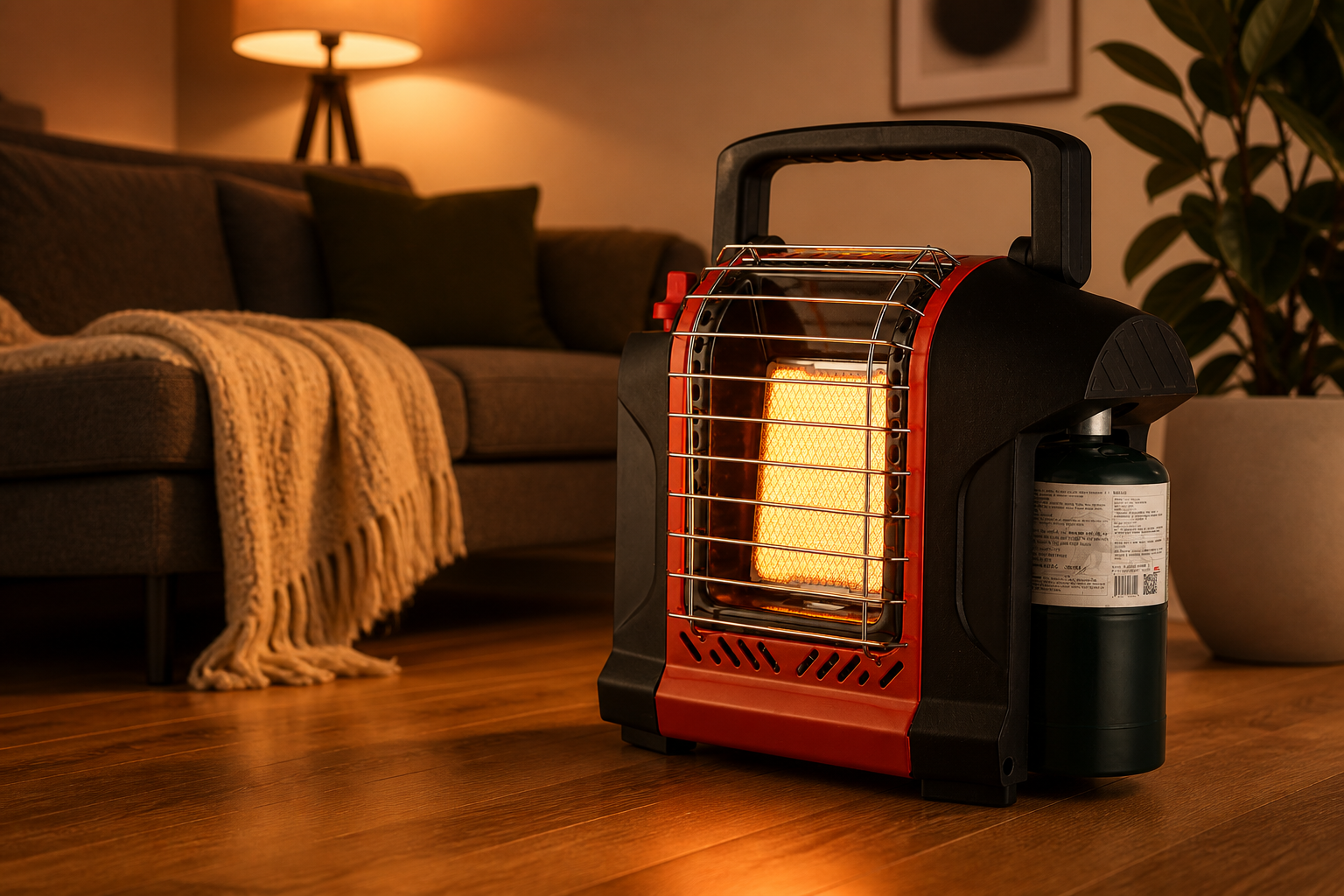
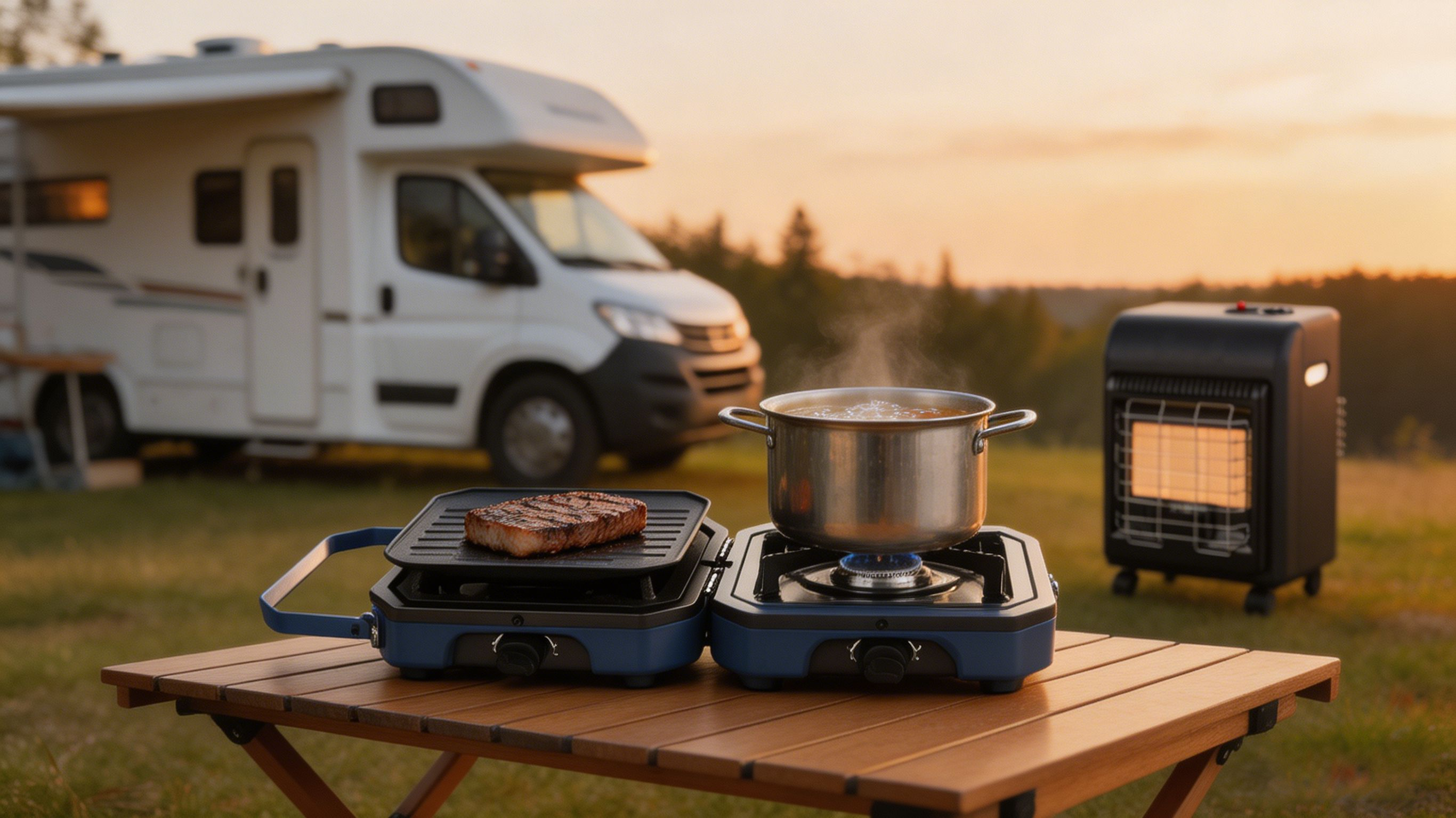
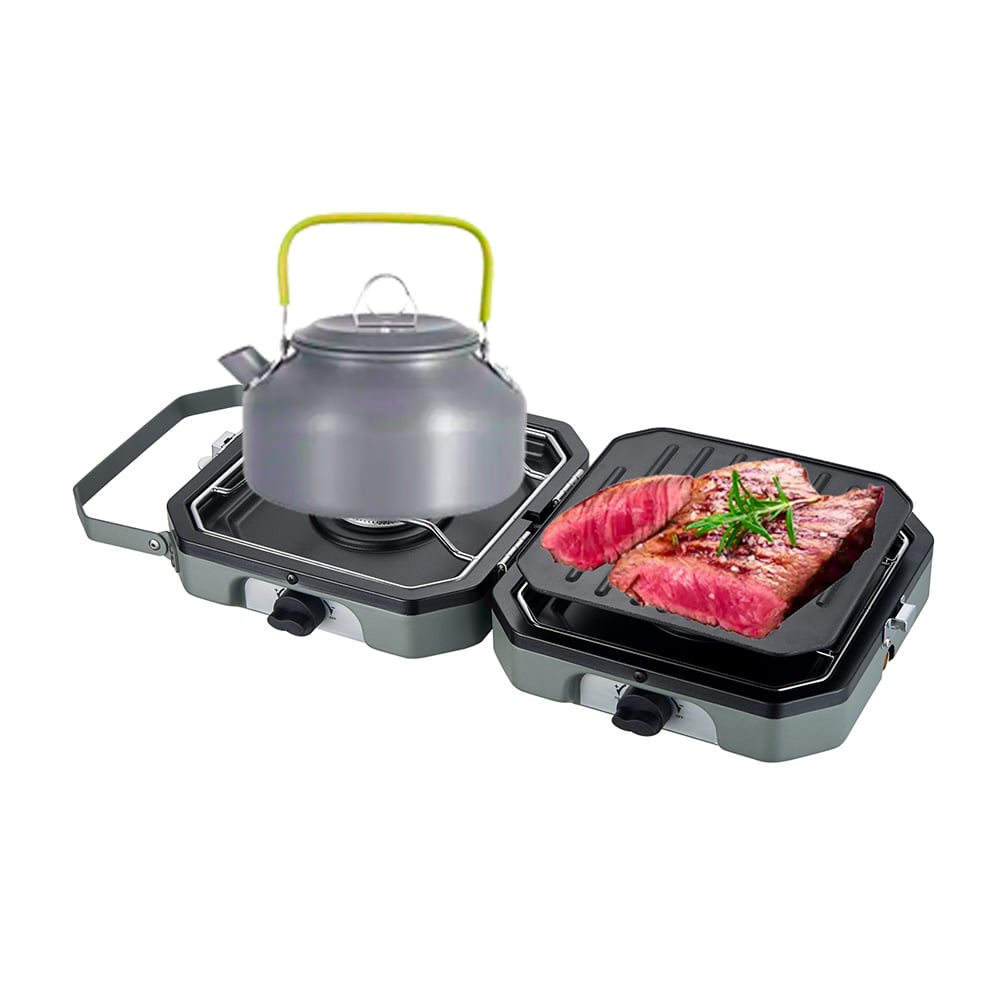
- מודלים ניידים ללא צינור עישן לחבר לבקבוק גז או לכרטיסיה — ללא עבודה חשמלית, ללא צינור עישן. המשתמש מחבר את הגז ודולק במכשיר. אלה שולטים במקטע קניית ה- DIY.
- דמויות עם פליטה קבועה ועוצמה גבוהה דורשים התקנה מקצועית בהתאם לתקנות המקומיות, ובשווקים מסוימים יש צורך בצינור עישן בהתאם לדגם.
مدיחי חשמל דורשים רק שקע קיר, מה שהופך אותם לבחירה ברירת המחדל בדירות שכירות, משרדים ובכל מרחב ללא אספקת גז. החיכוך בהתקנה הוא כמעט אפס.
ההשלכה המסחרית: בשווקים עם התפשטות רחבה של מערך אספקת הגז ותרבות חזקה של קניית ה- DIY, מחממי חדרים בגז מתאימים באופן טבעי לערוץ הקנייה במרכולים. בשווקים שמתוכננים בעיקר לדירות שכירות או שבהם בקבוקי גז אינם נוחים לשימוש, החשמל זוכה כברירת מחדל.
בטיחות: סיכונים שונים, שניהם מנוהלים היטב
דאגות לביטחון מתמקדות בגז — ובכל זאת, מחממים מודרניים המאושרים בגז מעוצבים סביב מערכות הגנה: חיישני חוסר חמצן שמכבים את המכונה אם אוויר החדר הופך למסוכן, מכשירי כיבוי להבה, מתגיות נפילה ומערכת הגנה מפני חימום יתר. שיעור התאונות במציאות תלוי פחות בסוג הדלק ויותר בגיל הציוד, באיכות ההתקנה ובתחזוקה — אותם גורמים שמשפיעים גם על מכשירי חשמל.
למחממים חשמליים יש סיכונים משלהם: מעגלים של זרם גבוה, עומס יתר על כבלים ממושכים, וסיכון להצתה של מחממים הנמצאים קרוב לחומרים דליקים — סיבה מובילה לשריפות חורף בשווקים מסוימים.
למوزיעים, השיחה על הביטחון חייבת להיות מבוססת עובדות: אישורים (CE, UKCA, CSA, AGA, לפי העניין), תצורת גז נכונה והנחיות התקנה ברורות ואמינות חשובות יותר מהעדפת דלק. קמעונאים שיכולים להסביר את מערכת ה-ODS במחמם גז מסירים את המחסום הגדול ביותר בנקודת המכירה.
שקולות סביבתיות: עקביות רבה יותר ממה שהסימן מרמז
ההנחה שמכשיר חשמלי הוא אוטומטית "ירוק יותר" מתעלמת ממקור החשמל. במרחבים רבים באירופה ובקהילת המדינות העצמאיות, חלק משמעותי מהחשמל ברשת נוצר עדיין באמצעות פחם או גז טבעי — ולכן מחמם חשמלי התנגדותי עלול לשרוף דלק מאובנים באופן עקיף בתחנת הכוח, עם אובדי המרה לאורך הדרך.
מחמם גז בעל יעילות גבוהה המשמש ישירות בחדר עלול להכיל עקבית פיחול פחמן זהה או נמוכה יותר ברשתות בהן פחם תורם חלק גדול. רשתות הגז גם עוברות דיקרבון: הזרקה של ביומתאן מתפשטת ברחבי אירופה, וגז מעורבב במימן נמצא בשלב ניסויים בשווקים אחדים — כלומר, מכשירי הגז של היום מחוברים לאספקת דלק שמתנקה עם הזמן.
למפיצים, העמדה הנאותה: להציע את שתי הטכנולוגיות, ולהניח לנתונים מקומיים אמינים — ולא לסימנים שיווקיים — לקבוע את ההמלצה.
באילו מקטעים כל טכנולוגיה מנצחת
מחממי גז לחדרים מנצחים כאשר:
- גאז טבעי או גאז נוזלי זול זמינים, והחשמל יקר יחסית.
- השטח גדול, מבודד באופן לקוי או דורש פליטת חום גבוהה — גראז'ים, סדנאות, בתים עם תכנון פתוח, אזורים מסחריים.
- הקונה רוצה לעצמאות מהרשת החשמלית בפסגות החורף.
- השוק כולל קטע של רכישות עצמאיות/ניידות, עם תשתיות מוכנות לבקבוקי גאז.
מחממים חשמליים מנצחים כאשר:
- החשמל בשוק זול או הגאז יקר.
- השטח קטן ודרישת החימום מועטה.
- אין אספקת גאז או תשתיות לבקבוקי גאז (דירות לשכרה, דירות עירוניות).
- הנוחות של הפעלה ללא התקנה מפיקה את עלות ההפעלה.
טיפים מקצועיים לייבואנים וlemafitzim
- קבעו את מחירי המערך שלכם על סמך נתוני האנרגיה המקומיים. לפני המלצה על חימום בגז או בחשמל לקמעונאי, השוו את מחירי הגז והחשמל המקומיים ליחידת חום.
- הביאו מחממים בגז עם מערכות בטיחות מאושרות והסבירו אותן. מערכת ה-ODS היא התשובה שלכם לטענת הבטיחות — ודאו שבחומרי המכירה שלכם מופיע הסבר עליה.
- התאימו את תצורת הגז לשוק. השוואה בין גז נוזלי (LPG) לגז טבעי, סוגי רגולטורים לבקבוקים וקטגוריות גז משתנה ממדינה למדינה. אמתו זאת לפני ההזמנה, לא אחרי שהמכולה מגיעה לנמל.
- חלקו לפי גודל המרחב, לא לפי מדינה. מפיץ בשוק אחד עשוי עדיין להזדקק לשתי הטכנולוגיות — דירות קטנות ובתי פרטית גדולים קיימים בכל עיר.
- דרשו מספקכם מסמכים להשוואה. דירוגי יעילות ודוחות בדיקות מאפשרים לערוץ הקמעונאי שלכם לטעון טענות שניתן להגן עליהן.
שאלות נפוצות
שאלה 1: האם חימום בגז זול יותר מחימום בחשמל?
ברוב השווקים שבהם יש גישה לגז, כן — הגז זול יותר ליחידת חום מאשר החשמל. הפער תלוי במחירי האנרגיה המקומיים, ולכן המפיצים צריכים להשוות את תעריפי הגז והחשמל המקומיים במקום לסמוך על ממוצעים.
שאלה 2: האם מחממים חשמליים שמשתמשים בגז זקוקים לחשמל כדי לפעול?
לא — רוב מחממי החדר שמשתמשים בגז אינם תלויים כלל ברשת החשמל, ולכן ממשיכים לפעול גם בעת חוסר חשמל. דגמים עם הצתה חשמלית משתמשים בסוללה לייצור הזרק, ולא בחשמל מהרשת.
שאלה 3: האם מחממים חשמליים בטוחים יותר ממחממים שמשתמשים בגז?
שתי הטכנולוגיות בטוחות כאשר הן מאושרות, מותקנות כראוי ומשומשות כראוי. מחממים שמשתמשים בגז מסתמכים על מערכות ביטחון כמו ODS ומערכת ניטור כבישת להבה; מחממים חשמליים עלולים לגרום לשריפות עקב עומס יתר על מעגלים חשמליים או מיקום לא בטוח. האישור וההנחיות ההוגנות חשובים יותר מסוג הדלק.
שאלה 4: איזה מחמם מחמם חדר מהר יותר — גז או חשמל?
לחום ישיר, מחממים חיממי קרינה גזואים אנשים ועצמים כמעט מיד. מבין האופציות החשמליות, מחממי מפוח מחממים את האוויר מהר ביותר, אך הם רועשים יותר. האיטיים ביותר הם מחממים ממלאי שמן, אשר דורשים זמן להתחמם, אך לאחר מכן שומרים על החום היטב.
שאלה 5: האם מوزיע יכול לאחסן שני סוגי המוצרים ללא סיכון נוסף?
כן — ורוב המוזיעים המצליחים עושים זאת. שתי הטכנולוגיות משרתות קבוצות יעד שונות בתוך אותו השוק. אחזקת שני הסוגים מסייעת למזער את הסיכון הנובע משינויי מחירי אנרגיה ומכסה לקוחות מחלקות ועד מפעלים.
שאלה 6: האם מחממים גזואים לחדרים נסוגים באירופה?
לא. מחממים גזואים לחדרים ממשיכים להיות נמכרים ונראים במדינות אירופה, והרשתות הגזיות עוברות דקربוניזציה באמצעות ביומתאן וערבוב מימן, ולא מתנתקות. המוצר ממשיך להתפתח עם שיפורים בכفاءה ובבטיחות.
שאלה 7: איזו דרגת כفاءה יש לחפש במחמם גזואים לחדרים?
השוו את היעילות התרמית המדורגת על ידי היצרן והתייחסו לבקרת תרmostatית, אשר מונעת בזבוז בתנאי עומס חלקי. עבור מפיץ, נתונים על יעילות ניתנים להשוואה בין ספקים הם שימושיים יותר מאשר מספר אחד בלבד.
שאלה 8: האם מחממים חשמליים דורשים חיווט מיוחד?
לרוב המחממים החשמליים הניידים פועלים דרך שקעים רגילים בקיר, אך דגמים בעלי הספק גבוה (2 קילוואט ומעלה) חייבים להיות מחוברים למעגל נפרד — כבלים ממושכים הם סיבה נפוצה לחימום יתר ולשריפות. זהו נושא בטיחותי חשוב למסחר שראוי להעביר ללקוחותיכם.
סיכום
מחממים גז ואלקטרוניים אינם מתחרים שבין них יש לבחור — הם כלים שונים למטרות שונות, והמיזוג הנכון תלוי במחירי האנרגיה המקומיים, בתבניות הדיור ובדרישות החימום. מפיצים שמבינים את שני סוגי המכשירים יכולים לייעץ לקמעונאים באופן כנה, להחזיק את המערך שמהווה את הצרכים האמיתיים של השוק שלהם ולכовать את כל הקטעים במקום להגן על טכנולוגיה אחת בלבד.
אם אתם מייצרים טווח של מחממים וברצונכם להשוות מחממים מואשרים לחדר שמנועים בגז — עם תצורות גז נוזלי (LPG) וגאז טבעי, בקרת טרמוסטט ו אפשרויות ייצור על-פי דרישות היצרן (OEM) — לאלטרנטיבות החשמליות ברשימת המוצרים שלכם, יצירת קשר פנה לצוות שלנו לקבלת مواصفות ותנאי קנייה בULK.