EN
EN


Სიახლეები
Როგორ შევაგროვოთ და გავიტანოთ კემპინგის გაზის სასტუმრო უსაფრთხოდ?
Კომპლექტაცია და გადაზიდვა a კემპინგის გაზქურა მოითხოვს უფრო მეტ ყურადღებას უსაფრთხოების პროტოკოლებზე და პრაქტიკულ მოწყობილობათა ორგანიზაციაზე. მიუხედავად იმისა, რომ თქვენ მიდიხართ შორეულ უკიდურეს ბუნებრივ ადგილზე თუ ოჯახური კემპინგის ტერიტორიაზე, კემპინგის გაზის საცხოვრებლის სწორად დამაგრების, დაცვის და გადატანის გზების გაგება შეიძლება შეაჩეროს საწვავის გაჟონვა, მოწყობილობის დაზიანება და ტრანსპორტირების დროს შესაძლო საფრთხეები. ეს სრულყოფილი სახელმძღვანელო გაგიარებთ დამტკიცებულ მეთოდებს, რომლებსაც გამოცდილი ბუნებაში მყოფები იყენებენ იმის უზრუნველყოფად, რომ მათი კემპინგის გაზის საცხოვრებლი მთლიანად და გამოყენების მზად მივიდეს, ხოლო მთელი გზის მანძილზე მაქსიმალური უსაფრთხოება დაიცვას.
Უსაფრთხოდ კემპინგის გაზის საცხოვრებლის შეფუთვის პროცესი არ შემოიფარგლება მისი ჩასმით თქვენს რაკეტბექში. ეს მოიცავს საწვავის კარტრიჯების შესახებ მოქმედი წესდების გაგებას, შესაბამისი დაცავის მასალების შერჩევას, კომპონენტების ეფექტურად მოწყობას და გადაყვანის მითითების შესრულებას, რომლებიც იცვლება მიხედვად თქვენს მოგზაურობის საშუალებაზე. გამაცხადების ერთეულების დაშლიდან ვალვის მექანიზმების დამაგრებამდე, თითოეული ნაბიჯი უწყობს ხელს უფრო უსაფრთხო გარე სამზარეულო გამოცდილებას, რომელიც იწყება სახლში შეფუთვის დაწყების მომენტიდან და გრძელდება მისაღები ადგილზე კემპინგის მოწყობის მომენტამდე.
Შეფუთვამდე უსაფრთხოების მომზადება
Შემოწმებისა და სუფთავების პროტოკოლი
Საკემპინგო გაზის საცხოვრებლის დაპაკეტებამდე ჩაატარეთ ყველა კომპონენტის სრული შემოწმება, რათა გამოვავლინოთ ნებისმიერი გამოყენების შედეგად წარმოქმნილი დამტკიცება, ზიანი ან დარჩენილი საწვავი, რომელიც შეიძლება გამოიწვიოს საფრთხეები ტრანსპორტირების დროს. შეამოწმეთ გამაცხოვრებელი თავი დასახურვის ან ნახშირბადის დაგროვების მიმართ, შეამოწმეთ O-ბეჭდები ხარვეზების ან დამტკიცების მიმართ და დარწმუნდით, რომ ყველა შეერთების წერტილი მთლიანია და ფუნქციონირებს. საკემპინგო გაზის საცხოვრებელი, რომელსაც ზიანის ნიშნები ახასიათებს, ტრანსპორტირებამდე უნდა შეიკეთდეს ან შეიცვალოს, რადგან დაზიანებული მოწყობილობა შეიძლება გამოიტაცოს საწვავი ან არ მუშაოს მაშინ, როდესაც უფრო მეტად გამოიყენება უკიდურეს ბუნებაში.
Გაასუფთავეთ კემპინგის გაზის საცხოვრებლის მოწყობილობა სრულად ყოველი გამოყენების შემდეგ და ასევე გრძელვადი შენახვის ან მანძილგარე მოგზაურობის წინ. მოაშორეთ ყველა ზედაპირიდან საკვების ნარჩენები, ცხიმი და კოცონი შესაბამისი სუფთავების საშუალებების გამოყენებით, რომლებიც არ დაზიანებენ სილიკონის სარეზერვო და მეტალის კომპონენტებს. დარეკეთ მოწყობილობა სრულად გამოშრობის შემდეგ, რადგან შიგნით დატოვებული ტენი შეიძლება გამოიწვიოს კოროზია შენახვის და ტრანსპორტირების დროს. განსაკუთრებულად მიაქციეთ ყურადღება საწვავის მილებსა და შეერთების ფიტინგებს, რათა დარჩენილი სითხის საწვავი არ დარჩეს, რომელიც შეიძლება აორთქლდეს და დააჭიროს წნევის ამაღლება დახურულ ტარებში.
Საწვავის პატრონების მართვა
Ყოველთვის გამორჩევით საწვავის კარტრიჯები კემპინგის გაზის სასტუმრო მოწყობილობიდან დასაპაკებლად, რათა შეამციროთ რისკი და შეესაბამოს ტრანსპორტირების წესებს. სრულად ამოიღეთ ნებისმიერი მიერთებული კარტრიჯები და დარწმუნდით, რომ სასტუმრო მოწყობილობის ვალვა სრულად დახურულია გამორთვამდე. საწვავის კარტრიჯები შეინახეთ მათ საწყის დაცვით ფარებში, როდესაც ეს შესაძლებელია, ან შემოავლეთ ვალვის თავები დაცვით მასალით, რათა თავიდან აიცილოთ შემთხვევითი გააქტიურება ტრანსპორტირების დროს. არ შეიძლება კემპინგის გაზის სასტუმრო მოწყობილობის ერთად საწვავის კარტრიჯის დაპაკება, რადგან ტემპერატურის ცვლილებები და ფიზიკური შეჯახებები მოგზაურობის დროს შეიძლება დააზიანოს სიმკვრივის მთლიანობა.
Შეამოწმეთ საწვავის კარტრიჯების გადაყვანის მიმართ ადგილობრივი და რეგიონალური რეგულაციები, განსაკუთრებით ავიატრანსპორტით ან საერთაშორისო საზღვრების გადაკვეთით მოგზაურობის დროს. ბევრი ავიაკომპანია სრულიად აკრძალავს საწვავის კარტრიჯების გადაყვანას როგორც ჩეკინ ბაგაჟში, ასევე ხელსაწყოებში, რაც მოუხერხებლობას იწვევს ბუნების მომხმარებლებისთვის და იძულებს მათ საწვავის შეძენას მიზნის ადგილას. მანქანით მოგზაურობის დროს საწვავის კარტრიჯები უნდა შეინახოთ ვერტიკალურად, კარგად გამოვენტილებულ ადგილებში, სითბოს წყაროებისგან შორს, არ დატოვოთ ისინი პირდაპირ მზეზე ან დახურულ სატრანსპორტო საშუალებაში თბილ ამინდში. ამ შეზღუდვების წინასწარ გაგება ხელს უწყობს კონფისკაციის, ჯარიმების და შესაძლო მოგზაურობის დაყოვნებების თავიდან აცილებას.
Კომპონენტების დაშლისა და დაცვის მეთოდები
Სტრატეგიული დაშლის მიდგომა
Გაანაგრძლეთ თქვენი კემპინგის გაზის საცხოვრებლის მოწყობილობა მის ძირითად კომპონენტებად მოცულობის შესამცირებლად, სიბრტვილის ნაკლებად მდგრადი ნაკეთობების დასაცავად და სისტემურად დასაპაკებლად. უმეტესობა პორტატული მოდელები იყოფა ცეცხლის ერთეულებად, ქარის დამცავებად, ყავასაყრელის მხარდაჭერებად და ზოგჯერ რეგულატორის შეკრებებად. მოაცილეთ ნებისმიერი მოსახსნელი ნაკეთობები წარმოებლის მიერ მოცემული მითითების შესაბამად და მცირე ბოლტები, ღილაკები და მიმაგრებლები შეინახეთ მონიშნულ სათავსოში ან პატარა ჩაკეტილ ჩანთაში გადატანის დროს დაკარგვის თავიდან ასაცილებლად. ეს სისტემური მიდგომა არ მხოლოდ თქვენს მოწყობილობას იცავს, არამედ კემპინგის ადგილზე გამოყენების და დაყენების პროცესს უფრო ეფექტურს ხდის.
Ინტეგრირებული კემპინგის აირის საცხოვრებლის სისტემებისთვის, სადაც კომპონენტები არ იყოფა ადვილად, განაკეთეთ მიზანდავი დაცვა მგრძნობარე გარე ელემენტების — როგორიცაა მარეგულირებლის ღილაკები, შეწყვეტის სისტემები და საწვავის შეერთებები. შემოავლეთ ეს არეები ხელოვნური ქსელით ან საყინულის საფარით, რომელიც გამაგრებულია რეზინის ბელტებით, ხოლო არ გამოიყენოთ საკედლის ტეიპი, რომელიც შეიძლება დატოვოს ლეპეშის ნარჩენები მოწყობილობაზე. დაფიქსირეთ დაშლის პროცესი ფოტოებით, თუ პირველად აგროვებთ რთული კემპინგის აირის საცხოვრებლის მოწყობილობას, რათა შექმნათ ვიზუალური სახელმძღვანელო, რომელიც მოახდენს აღდგენის პროცესს თქვენს დანიშნულების ადგილზე უფრო მარტივად, გარეშე კრიტიკული ნაბიჯების ან შეერთებების გამოტოვების.
Დაცვითი შემოვლების ტექნიკები
Შემოავლეთ თქვენი კემპინგის გაზის საცხოვრებლის თითოეული ძირევადი კომპონენტი ცალ-ცალკე ისეთი მასალებით, რომლებიც უზრუნველყოფენ დაცვას, მაგრამ მიუხედავად ამისა მსუბუქი რჩებიან რათა მოსახერხებლად გამოიყენოთ სასიარულო სიტუაციებში. მიკროფიბრის სახესახოცები, ფლისის ტანსაცმელი ან სპეციალურად კემპინგის სახესახოცები ორმაგი ფუნქციით მოქმედებენ: ისინი აცვლიან აღჭურვილობას და ასევე სასარგებლო კემპინგის ნივთებს წარმოადგენენ. ყველაზე სიგრძელი კომპონენტები, როგორიცაა პიეზო გამომძახებლები და წნევის რეგულატორები, მოათავსეთ დაცვითი ფენების ცენტრში და გარშემო მოაწყოთ უფრო მტკიცე ნაკრებები, როგორიცაა ქათამის მხარდამჭერები ან ფუძის ფირფიტები, რომლებიც შეძლებენ გარე შეჯახებების შეწოვას.
Შექმენით ჩართული გადატვირთვის სტრატეგია, სადაც პატარა კემპინგის გაზის სახურავის კომპონენტები ჩაიტევება უფრო დიდ სამზარეულო ნაკრებში, რომლებსაც თქვენ უკვე იღებთ თავიანთან, რაც სივრცის ეფექტურობას მაქსიმიზაციას უზრუნველყოფს და დამატებით დაცვის ფენებს ამატებს. ჩააგდეთ გახურების ბლოკები გახურებულ ქოთანებში, შემდეგ კი დანარჩენი სივრცეები შეავსეთ ხელოვნური საგნებით, როგორიცაა წინდები ან ბანდანები. ეს ტექნიკა ამცირებს საერთო გადატვირთვის მოცულობას და უზრუნველყოფს თქვენს კემპინგის გაზის სახურავის კომპონენტებს გადატვირთვის დროს სტაციონარულად დარჩენას, რაც თავიდან აიცილებს შიგნით გადაადგილებას, რომელიც ხშირად იწვევს ხაზებს, დაჭერილობებს და მექანიკურ ზიანს როგორც ძლიერი მოქმედების, ასევე გარე ტერიტორიაზე გადაადგილების დროს.
Კონტეინერების არჩევანი და ორგანიზაციის სტრატეგიები
Განსაკუთრებული შენახვის კონტეინერების ვარიანტები
Ინვესტიცია განკუთვნილ მყარ შემკულ ჩანთაში ან პადებულ სანახავ ჩანთაში, რომელიც სპეციალურად შეიმუშავებულია კემპინგის გაზის მოწყობილობის გადატანისთვის, როდესაც ხშირი გამოყენება დამატებითი აღჭურვილობის შეძენას არსებითად არსებობს. ამ სპეციალიზებულ კონტეინერებს ახასიათებს ინდივიდუალურად შექმნილი ფოამის ჩასადებები, რომლებიც კომპონენტებს უსაფრთხოდ აკავებენ და მოძრაობას არ აძლევენ, მიუხედავად იმისა, თუ როგორ უხეშად მოიქცევით თავისი აღჭურვილობით. მყარი ჩანთები უზრუნველყოფენ უმეტეს დაცვას საჰაერო ტრანსპორტირების ან სატრანსპორტო საშუალებაში დატვირთვის დროს მოწყობილობის შეხვედრის წინააღმდეგ, ხოლო პადებული ხელის ჩანთები მსუბუქი წონის ვარიანტებს სთავაზობენ, რომლებიც მოსახერხებელია საფრენი ჯავშნის მოგზაურობებისთვის, სადაც თითოეული უნცია მნიშვნელოვანია.
Როდესაც აირჩევთ კონტეინერს თქვენს კემპინგის აირის სასტუმროსთვის, გაითვალისწინეთ როგორც დაცვითი თვისებები, ასევე პრაქტიკული წვდომის ფუნქციები. ძებნეთ შემთხვევები წნევის გამოტაცების ვალვებით, რომლებიც ადაპტირდებიან სიმაღლის ცვლილებებს საჰაერო მგზავრობის ან მთების ასვლების დროს და თავიდან არიდებენ წნევის სხვაობებს, რომლებიც შეიძლება დაზიანონ შემცველი საგნები. აირჩიეთ კონტეინერები გარე ჯიბეებით საწვავის კარტრიჯების აქსესუარების, მოვლის ინსტრუმენტების და ინსტრუქციების მიმართულების საწყობარო საგნების განცალკევების მიზნით სასტუმროს თავისთვის. კარგად დიზაინირებული შენახვის სისტემა გარდაქმნის შეკვეთას ფრუსტრირებული ფუზლიდან სწრაფ და ხელმეორედ გამოყენებად პროცესად, რომელიც უზრუნველყოფს იმ საგნების გამოტოვებას ან დაზიანებას.
Ალტერნატიული შეკვეთის ამონახსნები
Ბიჯების შემცირების მიზნით მოწყობილობის გამოყენების ხარჯებში ან მხოლოდ იშვიათად კემპინგის მოწყობილობას მომხმარებლებისთვის შეგიძლიათ საყოფაცხოვრო ნივთების გადაყენება ეფექტური კემპინგის გაზის სასროლების ტრანსპორტირების საშუალებებად, რომლებიც უზრუნველყოფს საკმარის დაცვას სპეციალური შეძენების გარეშე. მტკიცე პლასტმასის საკვების შესანახად გამოსაყენებლად კონტეინერები საკმარისად მტკიცე დახურვის მქონე ხურდების სასროლების მოსათავსებლად შეიძლება გამოყენებულ იქნას, რათა კომპონენტები შუშველი და მოწესრიგებული დარჩეს. შემოავლეთ თქვენი კემპინგის გაზის სასროლები ჩვეულებრივ საძინებლის ან ტანსაცმლის შესანახად გამოყენებულ სტაფ სეკში, მის შიგნით მოძრაობის მინიმიზაციის მიზნით მჭიდროდ შეაკეთეთ და შემდეგ მის მთავარ ჩანთაში დაცულ ადგილზე მოათავსეთ ხელოვნური ბოჭკოს ნივთებით გარშემორტყმულად.
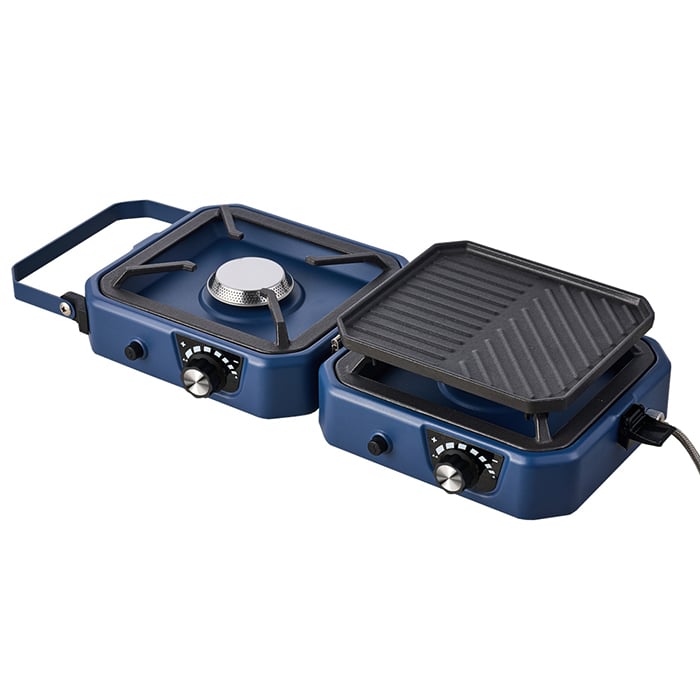
Გაითვალისწინეთ გარეული და შიდა პაკეტირების საკითხი თქვენს კონკრეტულ ტრანსპორტირების მეთოდსა და გარემოს პირობებზე დაყრდნობით. კომპრესიული სტრაპების გამოყენებით რანცერის ფრეიმზე გარეულად მიმაგრება მზარეულობის სუნს თქვენს ძირითად რანცერში შეიტანის გარეშე ინარჩუნებს და შესაძლებლობას აძლევს შეჩერების დროს სწრაფად მივიღოთ კემპინგის გაზის მზარეული, მაგრამ ეს გარეული მიმაგრება მზარეულს ამოუცნობარო ამინდის პირობებს, შეჯახებებს და სტრაპების დაშლის შემთხვევაში დაკარგვის საშიშროებას უწარმოებს. შიდა პაკეტირება მაქსიმალურ დაცვასა და უსაფრთხოებას უზრუნველყოფს, თუმცა ეს მნიშვნელოვნად იკავებს რანცერში მნიშვნელოვან სივრცეს და მოგზაურობის შუა პერიოდში მისი გამოყენებას უფრო რთულს ხდის. უმეტესობა გამოცდილი რანცერები მნიშვნელოვან მოწყობილობას, როგორიცაა კემპინგის გაზქურა , შიდა პაკეტირებას უფრო მოუწონს, რადგან უფრო უსაფრთხოებასა და ამინდის პირობების წინააღმდეგ დაცვას უფრო მნიშვნელოვანად მიიჩნევს ვიდრე სივრცის დაკარგვას.
Ტრანსპორტირების რეჟიმის გათვალისწინება
Სატრანსპორტო საშუალებების გადაყვანის მითითები
Როდესაც კემპინგის გაზის სახურავი პირადი სატრანსპორტო საშუალებით გადაიტანთ, მის დასადგენად აირჩიეთ სტაბილური ადგილები, სადაც იგი არ გადაადგილდება აჩქარების, დამუხრუჭების ან მოხვევის დროს. სატრანსპორტო საშუალების სარეზერვო სივრცე ან სასხდომებს შორის ან მათ უკან წარმოადგენს სტაბილურ ფუძეს მინიმალური მოძრაობით, ხოლო ბაღის სივრცეში გადატანის შემთხვევაში საჭიროებს დამატებით დამაგრებას დამაგრების საშუალებებით ან გარშემო მყოფი აღჭურვილობით, რათა გადახვევის გარეშე დარჩეს. არ დაადგინოთ კემპინგის გაზის სახურავი სატრანსპორტო საშუალების გათბობის სისტემის მიმდებარედ, სარკეების მეშვეობით პირდაპირი მზის სხივების ქვეშ ან იმ ადგილებში, სადაც ტემპერატურა მიიღებს ექსტრემალურ მნიშვნელობებს, რადგან სითბო შეიძლება გავლენა მოახდინოს საწვავის ნარჩენებზე და წნევაზე მგრძნობარე კომპონენტებზე.
Ვენტილაცია გახდება საკრიტიკო, როდესაც ნებისმიერი კემპინგის გაზის სასტუმრო მოწყობილობა გადაიტანება, რომელიც შეიძლება შეინახოს საწვავის ფრთხილები მიუხედავად სრული გასუფთავების. მცირედ გახსენით ფანჯრები გადატანის დროს, რათა უზრუნველყოთ ჰაერის მიმოქცევა, რომელიც განადიდებს ნებისმიერი გამოსული აირების გაფანტვას, განსაკუთრებით მნიშვნელოვანი ხანგრძლივი მგზავრობის ან როდესაც რამდენიმე საწვავით მომუშავე მოწყობილობა იტანება. სადაც შესაძლებელია, შეინახეთ კემპინგის აღჭურვილობა მთავარ მგზავრთა კომპარტიმენტში, არ არსებობს დახურული ბაღლის სივრცეებში, რათა შეძლოთ უჩვეულო სუნების მონიტორინგი, რომელიც შეიძლება მიუთითოს საწვავის გაჟონვაზე ან დაზიანებულ მოწყობილობაზე, რომელსაც Non-დაუყოვნებლივ უნდა მიეცეს ყურადღება.
Საჯარო ტრანსპორტი და ავიამგზავრობა
Დაიწყეთ კონკრეტული ავიაკომპანიებისა და საჯარო ტრანსპორტის პოლიტიკების შესწავლა კემპინგის გაზის საცხოვრებლის ტრანსპორტირების შესახებ თქვენს გამგზავრებამდე მნიშვნელოვნად ადრე, რადგან წესები მნიშვნელოვნად განსხვავდება სხვადასხვა გადამზიდავსა და ქვეყნებს შორის. უმეტესობა ავიაკომპანიების უფლებას აძლევს სუფთა, ცარიელ კემპინგის გაზის საცხოვრებლის ერთეულებს ჩეკედ ბეგაჟში გადატანას, როცა ისინი სრულიად არ შეიცავენ საწვავის ნარჩენებს, მაგრამ მათ აკრძალავენ კარგო-ონ ბეგაჟში გადატანას ზომის და შესაძლო საწვავის დასველების შესახებ შემოწმების პერსონალის შეშფოთების გამო. დააფიქსირეთ თქვენი საცხოვრებლის სუფთა მდგომარეობა ფოტოებით და მოემზადეთ დაამტკიცოთ, რომ საწვავი სრულიად არ არის დარჩენილი, თუ შემოწმების პერსონალი დაგისვამს კითხვებს.
Საერთაშორისო მოგზაურობის შემთხვევაში, რომელიც მოიცავს კემპინგის გაზის საცხოვრებლის გამოყენებას, კონტაქტი თქვენი კონკრეტული ავიაკომპანიის დაწერილი დასტური მათი პოლიტიკების, ასევე საჭიროებული დოკუმენტაციის ან შეფუთვის სტანდარტების შესახებ. ზოგიერთი გადამზიდავი მოითხოვს პროფესიონალური სუფთავების სერტიფიკატებს კემპინგის აღჭურვილობისთვის, რომელშიც საწვავი მასალები იყო შენახული, ხოლო სხვები უბრალოდ აკრძალავენ ამ ნივთების გადაზიდვას სრულიად. განვიხილოთ ალტერნატიული სტრატეგიები, მაგალითად, აღჭურვილობის დასასვლელ ადგილზე დაქირავება ან იაფი კემპინგის გაზის საცხოვრებლის შეძენა ადგილობრივად, რომელსაც მოგვიანებით შეიძლება გადაეცეს ან გამოვიყენოთ სასარგებლოდ, რათა თავიდან ავიცილოთ თქვენი ძირითადი მოწყობილობის საზღვარგარეთ გადატანის სირთულეები და შეზღუდვები.
Ველზე შენახვა და დაყენების უსაფრთხოება
Კემპინგის ადგილზე ჩანთების გახსნის პროცედურები
Როდესაც მივდივართ კემპინგის ადგილზე, შევაჩეროთ იმ სურვილი, რომ უშუალოდ გავხსნათ ჩვენი კემპინგის გაზის სასტუმრო და დავაყენოთ იგი ადგილისა და პირობების შეფასების გარეშე. აირჩიეთ ბრტყელი, სტაბილური ზედაპირი, რომელიც მოშორებულია ქამარის კედლებისგან, გადაკიდებული მცენარეებისგან და სავალი ბილიკებისგან, სანამ სასტუმრო მისი დაცვითი ყუთიდან ამოიღებთ. გახსნის დროს შეამოწმეთ ყველა კომპონენტი და მოძებნეთ ნებისმიერი ზიანი, რომელიც შეიძლება მოხდეს ტრანსპორტირების დროს, მიუხედავად ჩვენი სწორად გაკეთებული გასაკეთებლად. მიაწოდეთ საწყობარო საშუალებების და საწყობარო ნაკერების შემოწმება სანამ საწყობარო საშუალებები დაამატებთ და საწყობარო საშუალებების გამოყენებას სცადებთ.
Შეადგინეთ კომპლექტი თქვენი კემპინგის გაზის საცხოვრებლის მოწყობილობა დამძიმების საპირისპირო რიგით, მიმართეთ ნებისმიერი ფოტოების ან ჩანაწერების შესახებ, რომლებიც შეიძლება გაკეთებული იყოს გადატანის პროცესში. დარწმუნდით, რომ ყველა O-ბეჭედი და სილიკონის სარეზერვო ნაკერები სწორად არის დამაგრებული და რომ ნაკერების შეერთებები მაგრდება უსიძულოდ და არ მოითხოვს ძალადობას. თუ თქვენი კემპინგის გაზის საცხოვრებლის მოწყობილობა და საწვავის კარტრიჯები გადატანის დროს საკმარისად განსხვავებულ პირობებში იყო, მაშინ მათ უნდა მივცეთ საშუალება გარემოს ტემპერატურასთან გათანაბრდეს, რათა თავიდან ავიცილოთ წნევის პრობლემები, რომლებიც შეიძლება გამოიწვიოს გაჟონვა ან არასწორი წვა საწყის გასახსნელად ტემპერატურის მოქმედების შემდეგ.
Მრავალდღიანი ტურის განმავლობაში გაგრძელებული შენახვა
Გრძელი კემპინგის ტრიპების დროს შეამუშავეთ კემპინგის გაზის საცხოვრებლის სამზარეულო მოწყობილობის საცავი რეჟიმი, რომელიც მოიცავს როგორც ხელმისაწვდომობას, ასევე უსაფრთხოებას სამზარეულო მომზადების შემდეგ. არ შეინახოთ კემპინგის გაზის საცხოვრებლის სამზარეულო მოწყობილობა საძინებლის ტენტში, რადგან ეს შეიძლება გამოიწვიოს სახიფათო ცეცხლის ან ნაკლებად გამოსახატული ნახშირორჟანგის გამოყოფა საწვავის აორთქლების ან შემთხვევითი ალერთების გამო. ამის ნაცვლად, მიანიჭეთ დაცული გარე ადგილი წვიმის დაფარვის ქვეშ ან დაფარულ სამზარეულო ზონაში, სადაც მოწყობილობა დარჩება მშრალი, მაგრამ კარგად ვენტილირებული და განთავსებული იქ, სადაც ღამით მოძრაობის დროს არ დაეცემა ან არ გადაიგორება.
Გამოირთეთ საწვავის კარტრიჯები კემპინგის გაზის საცხოვრებლიდან ყოველი გამოყენების შემდეგ, არ დატოვოთ ისინი მიერთებული სიმძლავრის გასამარტივებლად, რადგან ტემპერატურის ცვალებადობა და შემთხვევითი ვალვების შეხება შეიძლება გამოიწვიოს საშიში გაჟონვები. შეინახეთ გამორთული კარტრიჯები არამიერთებული მდგომარეობაში საკუთარ გარე ჯიბეში ან ბამბის ჩანთაში, რომელიც ცალკე მდებარეობს საცხოვრებლისგან, რათა ისინი ხელმისაწვდომი და ხილული რჩეს ყოველდღიური გამოყენებისთვის, ამავე დროს უსაფრთხოების ცალკე შენახვა დაცული იყოს. ეს დისციპლინირებული მიდგომა თავიდან აიცილებს უსაფრთხოების სტანდარტების თანდათანობით შესუსტებას, რომელიც ხშირად ხდება კემპინგის მოგზაურობების გაგრძელებასთან ერთად, როდესაც საწყისი სიფრთხილე ნაკლებად გამოხატული ხდება გარემოს მიმართ ჩვევის გამო.
Მოვლა და გრძელვადი შენახვა
Მოგზაურობის შემდგომი სუფთავება და შემოწმება
Ყოველი კემპინგის ტრიპის შემდეგ, გასათბობი ღუმელის გრძელვადიანად შენახვამდე მისი სრული გასუფთავება და შემოწმება უნდა მოხდეს. ამოიღეთ ყველა საკვების ნაკვეთი, ცხიმის ნახტომები და წვის ნარჩევები, რომლებიც გამოყენების დროს დაგროვდა, რადგან ეს ორგანული ნივთიერებები შენახვის დროს იზიდავენ ტენიანობას და მტაცებლებს, ხოლო შეიძლება მეტალის ნაკეთობების კოროზიას გამოიწვიონ. გამოიყენეთ კემპინგის აღჭურვილობისთვის შექმნილი შესაბამისი ცხიმგამაყარებლები და ბურთულები, არ გამოიყენოთ ძლიერი ქიმიკატები, რომლებიც შეიძლება დაზიანონ ღუმელის ზედაპირებზე არსებული სილიკონის სარეზერვო და დამცავი საფარები.
Შეამოწმეთ ყველა სილიკონის და რეზინის სახურავი, გასკეტი და O-ფორმის ბარძიმი მოხმარების შემდეგ აბრაზიული ცხელების, შეჭიმვის ზიანის ან ქიმიური დეგრადაციის ნიშნებზე და დაზიანებული ნაკეთობები დააყენეთ დამატებითი გამოყენების წინადადების ნაცვლად დამატებითი გამოყენების წინადადების ნაცვლად. შეამოწმეთ ყველა ვალვა და რეგულირების მექანიზმი სიმუშაოს სიმეტრიულობის მიხედვით და მოაგვარეთ ნებისმიერი სიძლიერე ან წინააღმდეგობა, რომელიც შიდა კოროზიას ან ნარჩენების დაგროვებას მიუთითებს. კემპინგის გაზის სასტუმრო მოწყობილობა, რომელიც მოხმარების შემდეგ მიიღებს მუდმივ მოვლას, მნიშვნელოვნად უფრო გრძელხანიანი და საიმედო მუშაობის ხარისხით გამოირჩევა იმ მოწყობილობასთან შედარებით, რომელიც მოხმარების შემდეგ დაბინძურებული და დაზიანებული მდგომარეობაში ინახება.
Ლურჯი სანახავადი პრაქტიკები
Შეინახეთ კემპინგის გაზის საცხოვრებლის მოწყობილობა გაგრილებულ და შუშის ადგილას, სადაც არ არის ტემპერატურის ძლიერი ცვლილებები, პირდაპირი მზის სხივები და ქიმიური ფენები, რომლებიც დროთა განმავლობაში შეიძლება დააზიანონ კომპონენტები. კლიმატის კონტროლის შეძლებული შიდა სივრცეები, როგორიცაა კარადები ან საწყობის ოთახები, იძლევიან იდეალურ პირობებს, ხოლო გათბობის გარეშე გარეჯები, სახურავის ქვეშ მოწყობილობა ან საწყობის სახლები მოწყობილობას ამოაგორებენ ტემპერატურის ცვლილებებსა და ტენიანობას, რაც აჩქარებს დამახსოვრების პროცესს. შეინახეთ კემპინგის გაზის საცხოვრებლის მოწყობილობა მის დაცვით ჩანთაში ან სუფთა ქსელოთი გახვეულად, არ გამოიყენოთ პლასტმასის ჩანთები, რომლებიც შეიძლება შეიკავონ ტენი, და შეინახეთ იგი ბეტონის სარდაფის სივრციდან აწევილად, რადგან ბეტონი გადასცემს გაგრილებას და ტენიანობას.
Გრძელვადიანი შენახვის წინ მოძრავი ნაკეთობებისა და მეტალის ზედაპირების დასაცავად კოროზიის წინააღმდეგ და მექანიზმების უფრო სწრაფი მუშაობის უზრუნველყოფად მიაყენეთ მსუბუქი ფენა საკვები პროდუქტებისთვის უსაფრთხო მინერალური ზეთი. ვენტილები შეიძლება დატოვოთ ნახევრად ღეჭილ მდგომარეობაში, არ არის საჭიროების გარეშე სრულად დახურული, რათა თავიდან აიცილოს სილიკონის სახურავების შეკუმშვა და მათი მუდმივი დეფორმაცია შენახვის რამდენიმე თვის განმავლობაში. გრძელვადიანი შენახვის პერიოდში რეგულარულად შეამოწმეთ კემპინგის გაზის სასტუმრო მოწყობილობა, რათა აღმოაჩინოთ მტრედების შეჭრის ნიშნები, ტენის დაგროვება ან მასალის დეგრადაცია, რომელიც საჭიროებს შემოწმებას და შესასწორებლად მოქმედებას მანამ, სანამ ზიანი არ გახდება იმდენად მძიმე, რომ შეიძლება დაარღვიოს უსაფრთხოება ან ფუნქციონირება.
Ხშირად დასმული კითხვები
Შემიძლია თუ არა კემპინგის გაზის სასტუმრო მოწყობილობა გაზის კარტრიჯებით ერთად ავტომობილში გადასატანად შევაგროვო?
Თქვენ არ უნდა გადაადგილოთ კემპინგის გაზის საცხოვრებლის მოწყობილობა საწვავის კარტრიჯებით დაკავშირებულად, ავტომობილით მოგზაურობის დროს ცხადია. სატრანსპორტო საშუალებაში ტემპერატურის ცვალებადობა შეიძლება გამოიწვიოს კარტრიჯებში წნევის ცვლილება, რაც ატვირთავს შეერთების სილიკონის საფარებს და შეიძლება გამოიწვიოს გაჟონვა. ამასთან, გზის ვიბრაციები და უცოდავი გაჩერებები შეიძლება გაასუსტონ შეერთებები, რომლებიც სტაციონარულად უსაფრთხო ჩანენ. ყოველთვის ამოიღეთ საწვავის კარტრიჯები, სრულად დახურეთ ყველა ვალვა და საწვავი გადაადგილეთ ცალკე, ავტომობილის კარგად ვენტილირებად ადგილებში. ეს ცალკე გადატანა თავიდან აიცილებს შემთხვევით საწვავის გამოსხდომას და უზრუნველყოფს სატრანსპორტო საშუალებებში შეკუმშული აირების გადატანის უსაფრთხოების წესებს.
Რომელი დაცვითი მასალები უკეთესად მუშაობს კემპინგის გაზის საცხოვრებლის მოწყობილობის კომპონენტების გასახურებლად?
Საუკეთესო დაცვის მასალები კემპინგის გაზის სახურავების კომპონენტების გასაყოფად მოიცავს მიკროფიბრის სახსნებს, ფლისის ტანსაცმელს, საყარაღო საფარებს ან ბუშტუკის ფილმს მგრძნობარე ნაკეთობებისთვის, როგორიცაა იგნიტორები და რეგულატორები. არ გამოიყენოთ საქაღალდე ან ქაღალდის სახსნები, რომლებიც მინიმალურ ამორტიზაციას აძლევენ და შეიძლება ტენის შეკრება მოახდინონ. მიკროფიბრის სახსნები აძლევენ განსაკუთრებულ დაცვას და ერთდროულად გამოიყენება კემპინგის სუფთავების სახსნებად. მგრძნობარე ნაკეთობების მაქსიმალური დაცვის მისაღებად გამოიყენეთ დახურული უჯრედიანი საყარაღო ფილმები, რომლებიც ზომით დაკვეთილია და ტენის წინააღმდეგ მედეგია, ამასთან აძლევს განსაკუთრებულ შეჯახების შემცირების შესაძლებლობას. ყოველთვის დაამაგრეთ გაყოფა რეზინის ბეჭდებით, არა კოლოფით, რათა არ დარჩეს ლეპეშის ნარჩენები თქვენს მოწყობილობაზე.
Როგორ უნდა მოვახდინო კემპინგის გაზის სახურავების ჰაერში გადატანა?
Ჰაერით მოგზაურობის დროს კემპინგის გაზის საცხოვრებლის გამოყენება მოითხოვს ავიაკომპანიების წესების მართვის სწორ შესწავლას და მოწყობილობის სრულ მომზადებას. უმეტესობა ავიაკომპანიები სრულად სუფთა, საწვავის გარეშე საცხოვრებლებს დასაშვებად მიიჩნევს ჩექედ ბეგეჯში, მაგრამ მათ აკრძალავს ხელსაწყოებში მოტანას. მოაწყობილობის დაპაკეტებამდე მისი სრული გასუფთავება მოახდინეთ, ამოიღეთ საწვავის ნებისმიერი ნარჩენი და მისი რამდენიმე დღის განმავლობაში ჰაერში გამოშვება მოახდინეთ მოგზაურობამდე. ჩექედ ბეგეჯში მოათავსეთ დამცავი საფარით და მოემზადეთ უსაფრთხოების პერსონალს ახსნათ, რომ მასში საწვავი არ შეიცავს. არ სცადოთ საწვავის კარტრიჯების ავიატრანსპორტირება საერთოდ, რადგან ეს ყველა ავიაკომპანიაში აკრძალულია. ნაცვლად ამისა, შეისწავლეთ საწვავის ხელმისაწვდომობა თქვენს დანიშნულების ადგილზე ან განიხილეთ ადგილობრივად მოწყობილობის ქირავება ტრანსპორტირების სირთულეების თავიდან ასაცილებლად.
Რომელი ნიშნები მიუთითებენ იმაზე, რომ ჩემი კემპინგის გაზის საცხოვრებელი ტრანსპორტირების დროს დაზიანდა?
Ტრანსპორტირების შედეგად კემპინგის გაზის საცხოვრებლის ზიანის ნიშნები მოიცავს მეტალის კომპონენტებში ხილულ ჩაძარცვებს ან გატეხილებს, ქათამის მხარდაჭერების ან გამაცხოვრებელი საშუალებების გადახრას, გაუმაგრებელ ან დაკარგულ ნაკეთობებს, ასევე დაზიანებულ რეგულირების ვალვებს ან გამოსხივების სისტემებს. ტრანსპორტირების შემდეგ პირველად გამოყენებამდე შეასრულეთ გაჟონვის ტესტი: მიაგორეთ საპნიანი წყალი ყველა შეერთებაზე, როცა საწვავის კარტრიჯი მიერთებულია, მაგრამ ჯერ არ არის გამოსხივებული — ბუშტუკები მიუთითებენ გაზის გაჟონვაზე, რომელიც მოითხოვს Non-დაყოვნების შეკეთებას. შეამოწმეთ ყველა რეგულირების მექანიზმი სიმუშაოს სიმკვრივის შესახებ და დარწმუნდით, რომ ღეროები ცისფერი და მუდმივი ხანგრძლივობით იწვის ყვითელი წვერების ან არაჩვეულებრივი ნიმუშების გარეშე. ნებისმიერი არაჩვეულებრივი შეხვრეკის ხმები, საწვავის სუნი მაშინ, როცა საცხოვრებელი გამორთულია, ან სტაბილური ღეროების შენარჩუნებაში გამოცდილობა მიუთითებს შიდა ზიანზე, რომელიც მოითხოვს პროფესიონალურ შემოწმებას გაგრძელებული გამოყენებამდე.