EN
EN


Razumevanje učinkovitosti prenosnih plinskih grelnikov za prostor
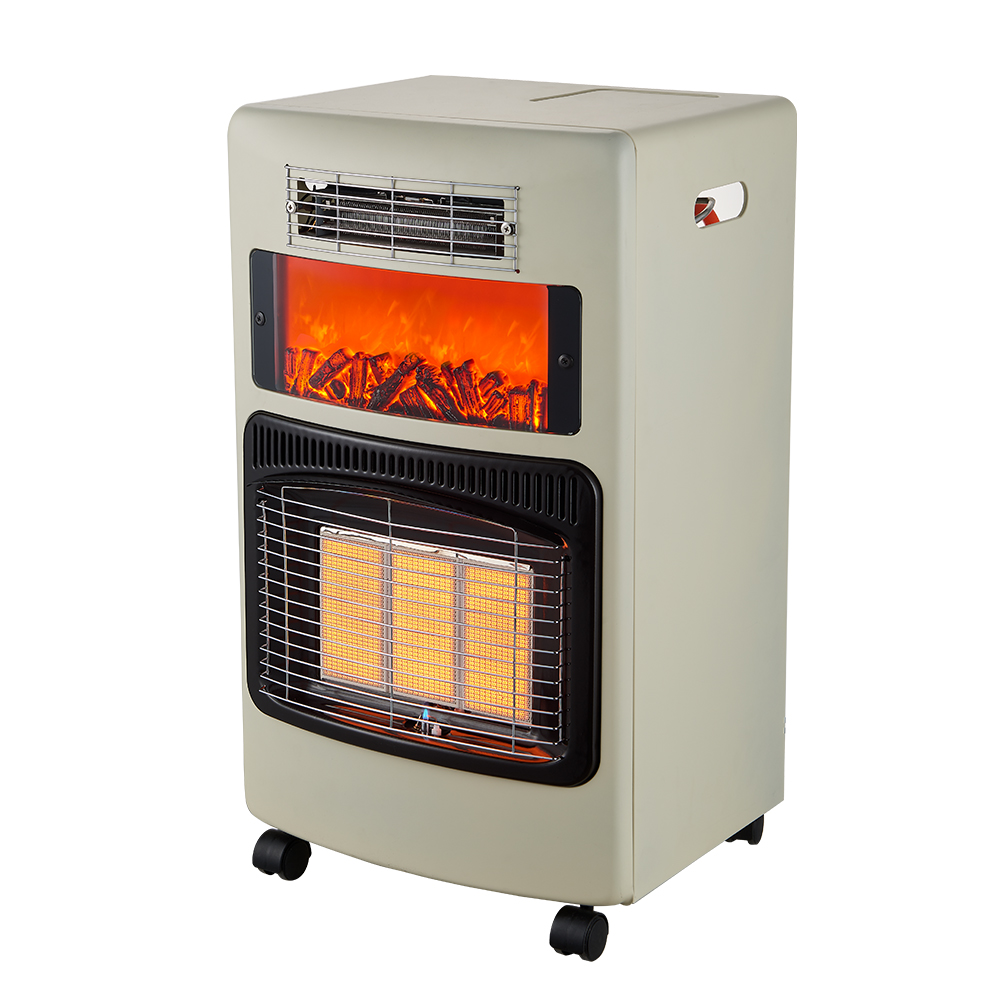
Razumevanje prenosljivih plinska sobna toplica učinkovitost zahteva preučevanje več dejavnikov zmogljivosti, ki neposredno vplivajo na učinkovitost ogrevanja, porabo goriva in obratovalne stroške. Moderni prenosljivi plinska sobna toplica sistemi vključujejo napredne tehnologije izgorevanja in sisteme razporeditve toplote, ki maksimizirajo toplotni izhod, hkrati pa zmanjšujejo porabo plina, kar jih naredi vedno bolj priljubljene za stanovanjske in poslovne ogrevalne aplikacije.
Ocenjevanja učinkovitosti prenosljivih plinskih sobnih ogrevalnikov običajno segajo od 85 % do 99 %, odvisno od konstrukcije izgorevalnega sistema, konfiguracije toplotnega izmenjevalnika in zahtev glede prezračevanja. Te meritve učinkovitosti predstavljajo odstotek energije goriva, ki se pretvori v uporabno toploto; višji ocenjevalni indeksi kažejo nadpovprečno zmogljivost in nižje obratovalne stroške za končne uporabnike, ki iščejo zanesljive rešitve za ogrevanje.
Tehnologija izgorevanja in mehanizmi toplotnega izhoda
Primarni izgorevalni sistemi v modernih enotah
Oblika zgorevalne komore pomembno vpliva na učinkovitost prenosnih plinskih sobnih grelnikov, saj določa, kako popolnoma izgori plinski gorivni material in kako učinkovito se sproščena toplota prenese v okoliški zrak. Napredne enote uporabljajo keramične gorilne površine, infrardeče grelne elemente ali katalitične zgorevalne tehnologije, ki omogočajo bolj popolno oksidacijo goriva v primerjavi s tradicionalnimi sistemih z ognjem.
Keramični infrardeči grelniki v prenosnih plinskih sobnih grelnikih delujejo tako, da segrejejo keramične ploščice na visoke temperature, ki nato neposredno oddajajo infrardečo energijo predmetom in površinam v prostoru. Ta oblika sevanja zagotavlja takojšnjo toploto in ohranja stalne temperature z minimalnimi izgubami toplote zaradi cirkulacije zraka, kar v nadzorovanih okoljih pogosto pomeni učinkovitost, ki presega 95 %.
Katalitični sistem za izgorevanje predstavlja še eno visoko učinkovito tehnologijo, ki se najde v vrhunskih modelih prenosnih plinskih sobnih grelnikov. Ti sistemi uporabljajo katalizatorja iz platine ali paladija za omogočanje izgorevanja brez plamena pri nižjih temperaturah, kar zmanjšuje izgubo toplote skozi dimne plinove in doseže učinkovitost do 99 % pri optimalnih obratovalnih pogojih.
Razporeditev toplote in vzorci gibanja zraka
Mehanizem razporeditve toplote neposredno vpliva na to, kako učinkovito lahko prenosni plinski sobni grelnik ogreva določen prostor. Konvektivni sistemi ogrevanja uporabljajo notranje ventilatorje ali naravno cirkulacijo zraka za razprševanje ogretega zraka po celotnem prostoru, medtem ko radiacijski sistemi neposredno oddajajo toplotno energijo na površine in osebe brez odvisnosti od gibanja zraka.
Modeli prenosljivih plinskih grelnikov z ventilatorjem običajno vključujejo ventilatorje s spremenljivo hitrostjo, ki izboljšujejo razpored toplote in hkrati ohranjajo energetsko učinkovitost. Ventilatorski sistemi porabljajo minimalno električno moč, hkrati pa znatno izboljšujejo hitrost prenosa toplote, kar omogoča enoti, da hitreje doseže ciljne temperature in ohrani enakomerno ogrevanje večjih prostorov.
Sistemi naravne konvekcije v prenosljivih plinskih grelnikih za sobe temeljijo na temperaturnih razlikah za ustvarjanje vzorcev cirkulacije zraka. Ogreti zrak se dviguje od enote, medtem ko se hladnejši zrak privleče z dna, kar ustvari neprekinjen cirkulacijski krog, ki postopoma segreva celotno sobo brez potrebe po dodatnih električnih komponentah ali gibljivih delih.
Dejavniki porabe goriva in izračuni učinkovitosti
Izhodna toplotna moč v BTU v primerjavi z razmerjem vhodnega plina
Izračuni učinkovitosti prenosnih plinskih grelnikov za sobe primerjajo toplotni izkoristek, izmerjen v britanskih toplotnih enotah (BTU), z energijsko vsebino porabljenega goriva. Zemeljski plin vsebuje približno 1.030 BTU na kubični čevelj, medtem ko propan zagotavlja približno 2.500 BTU na kubični čevelj, kar zahteva različne izračune učinkovitosti za vsako vrsto goriva.
Visoko učinkovit prenosljiv plinski sobni toplotnik z učinkovitostjo 95 %, ki porabi en kubični čevelj zemeljskega plina na uro, bi oddal približno 979 BTU uporabne toplotne energije. Ta način izračuna omogoča uporabnikom primerjavo različnih modelov in določitev najcenejše ogrevalne rešitve za njihove specifične potrebe.
Sezone učinkovitosti upoštevajo spremembe okolijske temperature, vlažnosti zraka in vzorcev obratovanja, ki vplivajo na dejansko delovanje. Ti ocenjevalni kazalci zagotavljajo natančnejše ocene učinkovitosti za prenosne plinske grelnike za sobe, ki delujejo v tipičnih stanovanjskih ali poslovnih pogojih skozi celotno ogrevalno sezono.
Okoljski pogoji in spremenljivke zmogljivosti
Nadmorska višina pomembno vpliva na učinkovitost prenosnih plinskih sobnih grelnikov zaradi zmanjšane razpoložljivosti kisika na višjih nadmorskih višinah. Enote, ki delujejo nad 1372 m, običajno zahtevajo prilagoditve izpušnih odprtin ali spremembe tlakomernih regulatorjev, da ohranijo optimalne razmerja zraka in goriva ter ohranijo učinkovitost, določeno za morsko gladino.
Zunanja temperatura vpliva na proces izgorevanja in učinkovitost prenosa toplote v sistemih prenosnih plinskih sobnih grelnikov. Zelo nizke temperature lahko zmanjšajo zanesljivost vžiga in podaljšajo čas segrevanja, medtem ko lahko zelo visoke zunanje temperature povzročijo toplotne neucinkovitosti in sprožijo varnostne mehanizme za izklop.
Vlažnost vpliva na učinkovitost prenosa toplote in občutek udobja pri uporabi prenosnih plinskih sobnih grelnikov. Višja vlažnost zmanjša učinek izhlapevanja in ohlajanja pri osebah, kar omogoča, da nižje zunanje temperature zagotavljajo ustrezno udobje, hkrati pa ohranjajo učinkovito ogrevanje.
Varnostne funkcije in optimizacija učinkovitosti
Senzorji za izčrpanost kisika in upravljanje zraka za zgorevanje
Sodobne prenosne plinske sobne grelne naprave vključujejo senzorje za izčrpanost kisika (ODS), ki spremljajo kakovost zraka in avtomatsko izklopijo napravo, ko stopnja kisika pade pod varne meje. Ti varnostni sistemi zagotavljajo popolno zgorevanje z ohranjanjem ustrezne oskrbe z kisikom ter preprečujejo izgube učinkovitosti, povezane z nepopolnim zgorevanjem goriva.
Oblika vhoda zraka za zgorevanje vpliva tako na varnost kot na učinkovitost pri obratovanju prenosnih plinskih sobnih grelnih naprav. Naprave s tesnimi komorami za zgorevanje črpajo zrak neposredno od zunaj ogrevanega prostora, kar preprečuje izčrpanost kisika in hkrati ohranja optimalne razmerja med zrakom in gorivom za najvišjo učinkovitost in skladnost z varnostnimi predpisi.
Sistemi za zaznavanje ogljikovega monoksida v naprednih prenosljivih modelih plinskih sobnih grelnikov zagotavljajo dodatno varnostno zaščito, hkrati pa ohranjajo učinkovitost ogrevanja. Ti senzorji spremljajo kakovost izgorevanja in lahko zaznajo nepopolno izgorevanje, ki zmanjšuje učinkovitost in ustvarja nevarne izpušne pline.
Regulacija s termostatom in učinkovitost cikliranja
Natančni sistemi regulacije s termostatom optimizirajo učinkovitost prenosljivih plinskih sobnih grelnikov tako, da zmanjšujejo preseganje nastavljene temperature in nepotrebne cikle ogrevanja. Digitalni termostati z ozkimi temperaturnimi pasovi ohranjajo stalne udobje, hkrati pa preprečujejo izgubo energije zaradi prekomernega ogrevanja ali pogostega vklopa in izklopa.
Programabilne funkcije omogočajo uporabnikom, da optimizirajo urnik obratovanja prenosljivih plinskih sobnih grelnikov, kar zmanjša porabo goriva v obdobjih, ko prostor ni zaseden, hkrati pa ohranja učinkovitost med aktivnimi obdobji ogrevanja. Ti sistemi lahko skupno sezonsko učinkovitost izboljšajo za 10–15 % v primerjavi z načini neprekinjenega obratovanja.
Spremenljive nastavitve toplotnega izhoda omogočajo prenosnim plinskih sobnim grelnikom, da natančneje prilagodijo toplotno moč dejanski potrebi po ogrevanju in s tem ohranjajo višjo učinkovitost pri različnih obremenitvenih pogojih. Večkratne nastavitve toplotnega izhoda omogočajo obratovanje enote pri optimalnih točkah učinkovitosti namesto cikliranja med polnim izhodom in popolnim izklopom.
Vpliv namestitve in vzdrževanja na zmogljivost
Zahteve glede ustrezne prezračevanja in zračnega obtoka
Ustrezno prezračevanje je bistveno za ohranjanje učinkovitosti in varnosti prenosnih plinskih sobnih grelnikov. Nezadostna zraka dovajanje lahko povzroči nepopolno izgorevanje, kar zmanjšuje učinkovitost ter ustvarja varnostne tveganje. Večina enot zahteva najmanjši prostorninski volumen prostora in hitrosti zamenjave zraka, ki so določene v navodilih proizvajalca.
Ujemanje velikosti prostora vpliva na učinkovitost prenosnih plinskih grelnikov za sobe tako, da zagotavlja delovanje naprave znotraj njenega optimalnega delovnega obsega. Prevelike enote v majhnih prostorih se lahko krajko ciklirajo in delujejo neucinkovito, medtem ko se premajhne enote morda neprekinjeno obratujejo brez doseganja ciljnih temperatur, kar zmanjšuje splošno učinkovitost.
Vzorci cirkulacije zraka znotraj ogrevanega prostora vplivajo na to, kako učinkovito prenosni plinski grelnik za sobo razporedi toploto. Preprečen pretok zraka okoli naprave ali slaba postavitev prostora lahko povzročita tople in hladne cone, kar zahteva daljše čase obratovanja in zmanjšuje zaznano učinkovitost.
Redna vzdrževalna dejavnost in ohranjanje zmogljivosti
Redno čiščenje izmenjevalnikov toplote in komponent za izgorevanje ohranja učinkovitost prenosnih plinskih grelnikov za sobe s časom. Prašek, odpadki in odlogi iz izgorevanja lahko zmanjšajo hitrost prenosa toplote in omejijo pretok zraka, kar povzroča zmanjšanje učinkovitosti in povečano porabo goriva.
Regulacija plinskega tlaka in kalibracija odprtine zagotavljata optimalne pretokovne hitrosti goriva za najvišjo učinkovitost prenosnega plinskega sobnega grelnika. Letni strokovni servis lahko zazna in odpravi razlike v tlaku, obrabo odprtine ali težave z regulatorjem, ki ogrožajo učinkovitost izgorevanja in ogrevalno zmogljivost.
Zamenjava filtra in vzdrževanje vhoda zraka preprečujeta onesnaženje, ki zmanjšuje učinkovitost prenosnega plinskega sobnega grelnika. Čisti filtri in neovirani vhodi zraka zagotavljajo ustrezno oskrbo zraka za izgorevanje ter pravilno delovanje toplotnega izmenjevalnika, s čimer ohranjajo učinkovitost, določeno s strani proizvajalca, skozi celotno življenjsko dobo naprave.
Pogosta vprašanja
Kakšno učinkovitost naj iščem pri prenosnem plinskem sobnem grelniku?
Iščite prenosne plinske sobne grelne naprave z učinkovitostjo 90 % ali več za optimalno varčevanje z gorivom in ogrevalno zmogljivost. Naprave z certifikatom ENERGY STAR ali učinkovitostjo po standardu ANSI zagotavljajo zanesljive referenčne vrednosti zmogljivosti in običajno ponujajo boljšo dolgoročno vrednost zaradi nižjih obratovalnih stroškov.
Kako višina nad morjem vpliva na učinkovitost prenosne plinske sobne grelne naprave?
Višina nad morjem zmanjšuje gostoto kisika, kar lahko zmanjša učinkovitost prenosne plinske sobne grelne naprave za 2–4 % na vsakih 1.000 čevljev (približno 305 m) nad morjem. Naprave, ki delujejo nad višino 4.500 čevljev (približno 1.370 m), morda zahtevajo prilagoditve izhodnih odprtin ali specializirane komplete za visoko nadmorsko višino, da ohranijo optimalni razmerji zraka in goriva ter ohranijo učinkovitost, določeno s proizvajalcem.
Ali lahko z modifikacijami prostora izboljšam učinkovitost svoje prenosne plinske sobne grelne naprave?
Da, izboljšava toplotne izolacije, tesnjenje zračnih uhajanj in zagotavljanje ustrezne prezračevanja lahko znatno izboljša učinkovitost prenosnega plinskega sobnega grelnika. Ustrezna izolacija prostora zmanjša izgubo toplote, medtem ko pravilna cirkulacija zraka pomaga enakomerno razporediti toploto, kar omogoča napravi, da ohrani ciljne temperature z manjšo porabo goriva.
Kako pogosto naj serviram svoj prenosni plinski sobni grelnik, da ohranim njegovo učinkovitost?
Profesionalni servis naj se izvede vsako leto pred začetkom ogrevalne sezone, da se ohrani učinkovitost prenosnega plinskega sobnega grelnika. Redni servis vključuje čiščenje toplotnih izmenjevalcev, preverjanje plinskih priključkov, kalibracijo regulatorjev in preverjanje delovanja varnostnih sistemov, s čimer se ohrani optimalno delovanje in prepreči zmanjšanje učinkovitosti s časom.