EN
EN


Unlocking Safety with Modern Indoor Gas Heaters
Safety concerns have historically made many homeowners hesitant about installing indoor gas heaters, but modern technological advances have transformed these heating solutions into remarkably safe and efficient options for residential and commercial spaces. Today's indoor gas heaters incorporate sophisticated safety mechanisms, advanced combustion systems, and intelligent monitoring features that address traditional safety concerns while delivering superior heating performance. Understanding these safety innovations helps property owners make informed decisions about adopting indoor gas heaters as their primary or supplementary heating solution.
The evolution of indoor gas heaters represents a significant leap forward in heating technology, combining traditional fuel efficiency with cutting-edge safety protocols that eliminate many risks associated with older gas heating systems. Modern manufacturers have integrated multiple layers of protection, from oxygen depletion sensors to automatic shut-off mechanisms, creating heating solutions that prioritize user safety without compromising performance. These advancements have made indoor gas heaters increasingly popular among energy-conscious consumers seeking reliable, cost-effective heating alternatives.
Revolutionary Safety Technologies in Modern Gas Heating Systems
Oxygen Depletion Sensor Integration
Contemporary indoor gas heaters feature sophisticated oxygen depletion sensors that continuously monitor air quality levels within heated spaces, automatically shutting down the unit when oxygen levels drop below safe thresholds. These sensors represent a critical safety advancement, preventing the accumulation of carbon monoxide and other combustion byproducts that could pose health risks to occupants. The precision of modern sensors ensures that indoor gas heaters maintain optimal air quality while providing consistent heating performance.
The calibration of oxygen depletion sensors in today's indoor gas heaters follows stringent industry standards, with many units featuring dual-sensor configurations for enhanced reliability and redundancy. Advanced models incorporate intelligent algorithms that distinguish between normal oxygen consumption and potentially dangerous depletion scenarios, minimizing false alarms while maintaining unwavering safety vigilance. This technological sophistication has significantly increased consumer confidence in indoor gas heaters as safe heating solutions.
Automatic Safety Shut-Off Mechanisms
Modern indoor gas heaters incorporate multiple automatic shut-off mechanisms that respond to various safety triggers, including flame failure, overheating, tip-over detection, and gas supply irregularities. These fail-safe systems operate independently of user intervention, ensuring that indoor gas heaters automatically cease operation when any potentially hazardous condition is detected. The redundancy built into these safety systems provides multiple layers of protection that work collectively to prevent accidents.
The response time of automatic shut-off mechanisms in contemporary indoor gas heaters has been dramatically reduced through advanced electronic controls and precision sensors, with most systems capable of detecting and responding to safety threats within seconds. This rapid response capability, combined with the reliability of modern gas control valves, ensures that indoor gas heaters can immediately interrupt fuel flow when safety parameters are exceeded. Such responsive safety features have made indoor gas heaters suitable for use in various residential and commercial applications where safety is paramount.
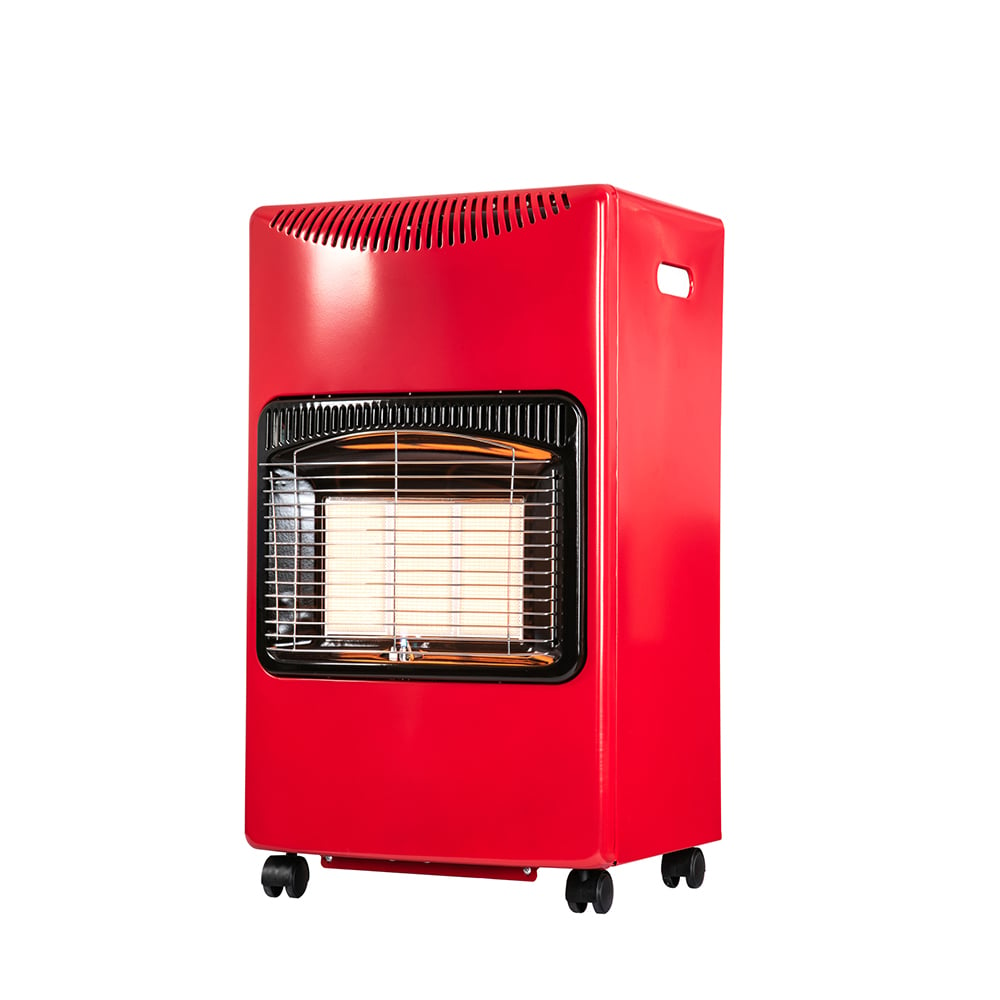
Advanced Combustion Technology for Enhanced Safety Performance
Clean Burning Technology Systems
The combustion chambers in modern indoor gas heaters utilize advanced burner designs that promote complete fuel combustion, dramatically reducing the production of carbon monoxide and other harmful emissions compared to older heating systems. These clean-burning technologies ensure that indoor gas heaters operate with minimal environmental impact while maintaining the highest safety standards for indoor air quality. The engineering precision in contemporary burner systems reflects decades of research and development focused on optimizing both efficiency and safety.
Contemporary indoor gas heaters employ sophisticated air-to-fuel ratio controls that maintain optimal combustion conditions across varying operating temperatures and environmental conditions. This precise control over the combustion process ensures that indoor gas heaters consistently produce clean, efficient heat while minimizing the risk of incomplete combustion that could generate dangerous gases. The reliability of these combustion control systems has been validated through extensive testing and real-world applications in diverse heating scenarios.
Sealed Combustion Chamber Design
Many modern indoor gas heaters feature sealed combustion chambers that draw combustion air directly from outside sources while venting exhaust gases through dedicated flue systems, completely isolating the combustion process from indoor air. This design approach eliminates the possibility of combustion gases mixing with indoor air, providing an additional layer of safety for occupants while ensuring optimal heating efficiency. Sealed combustion systems represent a significant advancement in indoor gas heaters technology and safety engineering.
The sealed design of advanced indoor gas heaters also prevents the infiltration of outdoor air pollutants and contaminants into the heating system, maintaining cleaner combustion and reducing maintenance requirements over the unit's operational lifetime. This isolation of the combustion process enhances both safety and performance while providing consistent heating output regardless of external environmental conditions. Such design innovations have made indoor gas heaters increasingly attractive to health-conscious consumers and commercial facility managers.
Intelligent Control Systems and Safety Monitoring
Smart Temperature and Pressure Management
Contemporary indoor gas heaters incorporate intelligent control systems that continuously monitor operating temperatures, gas pressures, and system performance parameters to ensure safe and efficient operation throughout the heating cycle. These smart controls can automatically adjust heating output based on ambient conditions while maintaining strict safety protocols that prevent overheating or pressure irregularities. The sophistication of modern control systems allows indoor gas heaters to operate with unprecedented precision and safety reliability.
The integration of microprocessor-based controls in modern indoor gas heaters enables real-time diagnostics and predictive maintenance capabilities that identify potential safety issues before they become hazardous conditions. These intelligent systems can alert users to maintenance needs, component wear, or performance anomalies that might compromise safety if left unaddressed. Such proactive safety monitoring represents a significant advancement in indoor gas heaters technology and user protection protocols.
Digital Safety Display and Alert Systems
Modern indoor gas heaters feature comprehensive digital display systems that provide real-time information about operating status, safety conditions, and any detected anomalies that require user attention or professional service intervention. These visual interfaces make it easy for users to monitor the safe operation of their indoor gas heaters while providing clear alerts when safety protocols are activated or maintenance is required. The user-friendly nature of these display systems enhances overall safety by keeping operators informed about system status.
Advanced models of indoor gas heaters include connectivity features that enable remote monitoring and control through smartphone applications, allowing users to verify safe operation and receive immediate alerts about any safety-related events. This remote capability ensures that property owners can maintain awareness of their heating system's safety status even when away from the premises, providing peace of mind and enabling rapid response to any safety concerns that may arise during operation.
Installation and Maintenance Safety Protocols
Professional Installation Requirements and Standards
The safe operation of indoor gas heaters begins with proper professional installation that adheres to local building codes, manufacturer specifications, and industry safety standards for gas appliance installation. Certified technicians ensure that indoor gas heaters are correctly connected to gas supply lines, properly vented, and equipped with appropriate safety shutoffs and monitoring devices. Professional installation eliminates installation-related safety risks while ensuring optimal performance and compliance with safety regulations.
Proper installation of indoor gas heaters includes comprehensive testing of all safety systems, gas leak detection, ventilation verification, and clearance measurements to ensure safe operation in the intended installation environment. Professional installers also provide user training on safe operation procedures and emergency protocols specific to the installed indoor gas heaters model. This comprehensive approach to installation safety establishes the foundation for years of safe and reliable heating performance.
Preventive Maintenance and Safety Inspections
Regular maintenance and safety inspections are essential for maintaining the safe operation of indoor gas heaters throughout their service life, with manufacturer-recommended service schedules designed to identify and address potential safety issues before they compromise system integrity. Professional maintenance includes cleaning of combustion chambers, inspection of safety devices, gas leak testing, and verification of proper ventilation system operation. These preventive measures ensure that indoor gas heaters continue to operate safely and efficiently over many years of service.
Contemporary indoor gas heaters are designed with maintenance accessibility in mind, allowing technicians to efficiently inspect and service critical safety components without extensive disassembly or system disruption. Many models feature diagnostic capabilities that simplify troubleshooting and help technicians quickly identify any safety-related concerns that require attention. This maintenance-friendly design philosophy enhances the long-term safety and reliability of indoor gas heaters while reducing service costs and downtime for users.
Comparative Safety Advantages and Performance Benefits
Safety Comparison with Alternative Heating Methods
When properly installed and maintained, modern indoor gas heaters demonstrate safety performance that compares favorably with electric heating systems while offering significant advantages over older heating technologies such as kerosene heaters or wood-burning stoves. The advanced safety features in contemporary indoor gas heaters eliminate many of the risks associated with alternative heating methods, including fire hazards from overheated electrical components or carbon monoxide production from incomplete combustion in less sophisticated systems.
The safety record of modern indoor gas heaters has been extensively documented through industry studies and real-world performance data, showing significantly lower incident rates compared to older heating technologies when proper installation and maintenance protocols are followed. The combination of advanced safety features, intelligent controls, and robust engineering makes indoor gas heaters among the safest heating options available for residential and commercial applications requiring reliable, efficient heating performance.
Energy Efficiency and Environmental Safety Considerations
Modern indoor gas heaters achieve exceptional energy efficiency ratings while maintaining stringent environmental safety standards that minimize emissions and reduce overall environmental impact compared to many alternative heating systems. The clean combustion technology in contemporary indoor gas heaters produces lower emissions per unit of heat output than many electric heating systems when considering the environmental impact of electricity generation. This efficiency advantage makes indoor gas heaters an environmentally responsible choice for conscientious consumers.
The operational efficiency of modern indoor gas heaters translates directly into safety benefits by reducing fuel consumption, minimizing system operating time, and decreasing the overall exposure to potential safety risks associated with heating system operation. Lower fuel consumption also reduces the frequency of fuel delivery and handling, further minimizing safety risks while providing consistent, reliable heating performance that meets or exceeds user expectations for comfort and convenience.
FAQ
Are modern indoor gas heaters safe for continuous operation in residential settings?
Yes, modern indoor gas heaters are designed for safe continuous operation when properly installed and maintained, featuring advanced safety systems including oxygen depletion sensors, automatic shut-offs, and sealed combustion chambers that eliminate traditional safety concerns. These safety features work together to ensure that indoor gas heaters can operate reliably for extended periods while maintaining optimal air quality and preventing the accumulation of combustion byproducts in living spaces.
What safety certifications should I look for when selecting indoor gas heaters?
Look for indoor gas heaters that carry certifications from recognized safety organizations such as UL (Underwriters Laboratories), CSA (Canadian Standards Association), or ANSI (American National Standards Institute), which verify that the units meet stringent safety standards for construction, performance, and emissions. These certifications ensure that indoor gas heaters have undergone extensive testing for safety compliance and will perform reliably under normal operating conditions while meeting all applicable safety codes and regulations.
How often do indoor gas heaters require professional safety inspections?
Most manufacturers recommend annual professional safety inspections for indoor gas heaters to ensure optimal performance and safety compliance, though specific maintenance schedules may vary based on usage patterns, environmental conditions, and local regulations. Regular inspections help identify potential issues before they compromise safety while ensuring that all safety systems continue to function properly throughout the heating season, maximizing both safety and operational efficiency.
What emergency procedures should users know for indoor gas heaters operation?
Users should know how to immediately shut off gas supply to indoor gas heaters in emergency situations, recognize signs of improper operation such as unusual odors or flame patterns, and understand when to evacuate and contact professional service technicians. Additionally, users should maintain working carbon monoxide detectors in areas where indoor gas heaters operate and never attempt repairs or modifications to safety systems without qualified professional assistance to ensure continued safe operation.