EN
EN


What Fuel Types Are Compatible with Camping Gas Stoves?
Understanding the various fuel types compatible with camping gas stoves is essential for outdoor enthusiasts who want reliable cooking performance in wilderness settings. Modern camping gas stoves offer exceptional convenience and efficiency, but their functionality depends entirely on using the appropriate fuel type. Whether you're planning a weekend backpacking trip or an extended outdoor adventure, selecting the right fuel ensures optimal stove performance and cooking reliability.
The compatibility between fuel types and camping gas stoves varies significantly based on stove design, valve systems, and intended applications. Professional outdoor equipment manufacturers design their camping gas stoves to work optimally with specific fuel compositions, ensuring consistent flame control and heat output. Understanding these compatibility requirements helps campers avoid equipment malfunctions and ensures safe outdoor cooking experiences.
Primary Fuel Types for Camping Gas Stoves
Butane Cartridge Systems
Butane represents one of the most popular fuel choices for recreational camping gas stoves due to its clean-burning properties and consistent performance. Pure butane cartridges typically contain 100% n-butane, which provides excellent flame control and minimal residue buildup in stove components. These cartridges work exceptionally well in moderate temperature conditions and offer reliable ignition for casual camping applications.
The primary advantage of butane fuel systems lies in their user-friendly design and widespread availability. Most camping gas stoves designed for butane cartridges feature simple connection mechanisms that allow quick fuel changes without specialized tools. However, butane performance decreases significantly in cold weather conditions, as the fuel struggles to vaporize effectively when temperatures drop below 32°F (0°C).
Propane Fuel Options
Propane offers superior cold-weather performance compared to butane, making it ideal for camping gas stoves used in challenging environmental conditions. This fuel type maintains consistent vapor pressure even in sub-freezing temperatures, ensuring reliable ignition and stable flame output throughout various weather scenarios. Many professional outdoor cooking systems specifically utilize propane due to its dependable performance characteristics.
Camping gas stoves designed for propane typically feature robust valve systems and pressure regulators that accommodate the higher vapor pressure of this fuel type. Propane cartridges and tanks are widely available at camping supply stores, hardware retailers, and outdoor equipment vendors. The fuel's excellent performance in extreme conditions makes it particularly valuable for winter camping and high-altitude adventures.
Blended Fuel Compositions
Butane-Propane Mixtures
Many modern camping gas stoves utilize fuel cartridges containing carefully balanced butane-propane mixtures that combine the benefits of both fuel types. Common blend ratios include 70/30 and 80/20 butane-to-propane compositions, which provide improved cold-weather performance while maintaining the clean-burning characteristics of butane. These blended fuels represent an excellent compromise for versatile outdoor cooking applications.
The engineering behind blended fuel systems allows camping gas stoves to maintain consistent performance across broader temperature ranges. Propane components ensure reliable ignition in cold conditions, while butane provides steady heat output and efficient fuel consumption. This combination makes blended fuels particularly suitable for three-season camping and variable weather conditions.
Isobutane Enhanced Formulations
Isobutane represents an advanced fuel option that offers superior performance characteristics compared to standard butane in camping gas stoves applications. This fuel type maintains better vapor pressure at low temperatures, providing more reliable cold-weather operation while retaining the clean-burning properties that make butane attractive. Premium camping gas stoves often specify isobutane compatibility for optimal performance.
The molecular structure of isobutane allows for more efficient vaporization and combustion in precision-engineered stove systems. Many lightweight backpacking stoves utilize isobutane cartridges because this fuel provides excellent heat output relative to weight, making it ideal for weight-conscious outdoor enthusiasts. The enhanced performance characteristics justify the typically higher cost of isobutane fuel cartridges.
Fuel System Compatibility Considerations
Cartridge Connection Standards
Understanding cartridge connection standards is crucial when selecting fuel for camping gas stoves, as different manufacturers utilize various threading and valve designs. The most common connection types include threaded cartridge systems, bayonet-style connections, and push-on valve mechanisms. Each connection type requires specific cartridge designs, and compatibility issues can prevent proper fuel attachment or create safety hazards.
European and North American camping gas stoves often utilize different connection standards, which can complicate fuel procurement for international travelers. The Lindal valve system has become increasingly standardized across many camping gas stove manufacturers, improving cartridge interchangeability. However, verifying connection compatibility remains essential before purchasing fuel cartridges for specific stove models.
Pressure Regulation Requirements
Different fuel types require specific pressure regulation systems within camping gas stoves to ensure safe and efficient operation. Propane operates at higher pressures than butane, necessitating robust pressure regulators and appropriate valve designs. Stoves designed specifically for high-pressure fuels incorporate safety features and pressure control mechanisms that may not be present in basic butane-only systems.
The pressure regulation capabilities of camping gas stoves directly impact fuel compatibility and performance characteristics. Advanced stove designs feature adjustable pressure regulators that can accommodate multiple fuel types, while simpler models may be optimized for specific pressure ranges. Understanding these requirements helps ensure proper fuel selection and prevents equipment damage or safety issues.
Performance Characteristics by Fuel Type
Heat Output and Efficiency
The heat output characteristics of different fuel types significantly impact the performance of camping gas stoves in various cooking applications. Propane generally provides higher BTU output per unit volume compared to butane, making it more suitable for high-heat cooking tasks and larger meal preparation. However, the actual efficiency depends on stove design, ambient temperature, and specific fuel formulations used.
Fuel efficiency in camping gas stoves varies based on combustion chamber design, burner configuration, and flame control mechanisms. Premium fuel blends often provide more complete combustion, resulting in better fuel economy and cleaner operation. Understanding these efficiency differences helps campers select appropriate fuel types for their specific cooking needs and trip duration requirements.
Cold Weather Performance
Cold weather performance represents a critical consideration when selecting fuel for camping gas stoves used in challenging environmental conditions. Butane struggles to maintain adequate vapor pressure below freezing temperatures, while propane continues functioning effectively in extreme cold. Mixed fuel formulations offer intermediate performance levels, with improved cold-weather capability compared to pure butane systems.
Advanced camping gas stoves incorporate design features that help optimize cold-weather fuel performance, including pre-heating elements, insulated fuel lines, and enhanced vaporization chambers. However, fuel type selection remains the primary factor determining reliable operation in low-temperature conditions. Understanding these limitations helps outdoor enthusiasts choose appropriate fuel types for their planned activities and expected weather conditions.
Safety and Storage Considerations
Proper Fuel Handling
Proper fuel handling procedures are essential for safe operation of camping gas stoves and prevention of accidents in outdoor environments. All fuel cartridges should be transported and stored in upright positions to maintain proper valve function and prevent leakage. Damaged or dented cartridges should never be used with camping gas stoves, as compromised containers may fail under pressure or cause dangerous fuel leaks.
Temperature considerations play important roles in fuel safety, as excessive heat can cause dangerous pressure buildup in cartridges. Fuel containers should be kept away from direct sunlight, heat sources, and vehicle interiors that may reach high temperatures. Understanding proper fuel handling procedures ensures safe camping experiences and extends the operational life of both fuel cartridges and stove equipment.
Storage and Transportation Guidelines
Long-term storage of fuel cartridges for camping gas stoves requires attention to environmental conditions and container integrity. Cartridges should be stored in cool, dry locations away from temperature extremes and potential ignition sources. Regular inspection of stored cartridges helps identify potential seal degradation or container damage before use in field conditions.
Transportation regulations for fuel cartridges vary by location and transportation method, with specific restrictions for air travel and commercial shipping. Many camping gas stoves utilize cartridges that fall under hazardous material classifications, requiring special handling and documentation for certain transportation scenarios. Understanding these regulations helps ensure compliance and prevents travel complications.
Fuel Selection for Different Applications
Backpacking and Ultralight Systems
Backpacking applications require careful consideration of fuel weight, energy density, and packaging efficiency when selecting compatible options for camping gas stoves. Isobutane cartridges offer excellent weight-to-energy ratios, making them popular choices for weight-conscious backpackers. However, the higher cost and limited cold-weather performance must be balanced against weight savings for specific trip requirements.
Ultralight camping gas stoves often utilize specialized fuel cartridges designed for maximum portability and minimal environmental impact. These systems prioritize fuel efficiency and compact packaging over maximum heat output, requiring careful meal planning and cooking technique optimization. Understanding these trade-offs helps backpackers select appropriate fuel types for their specific needs and preferences.
Car Camping and Base Camp Operations
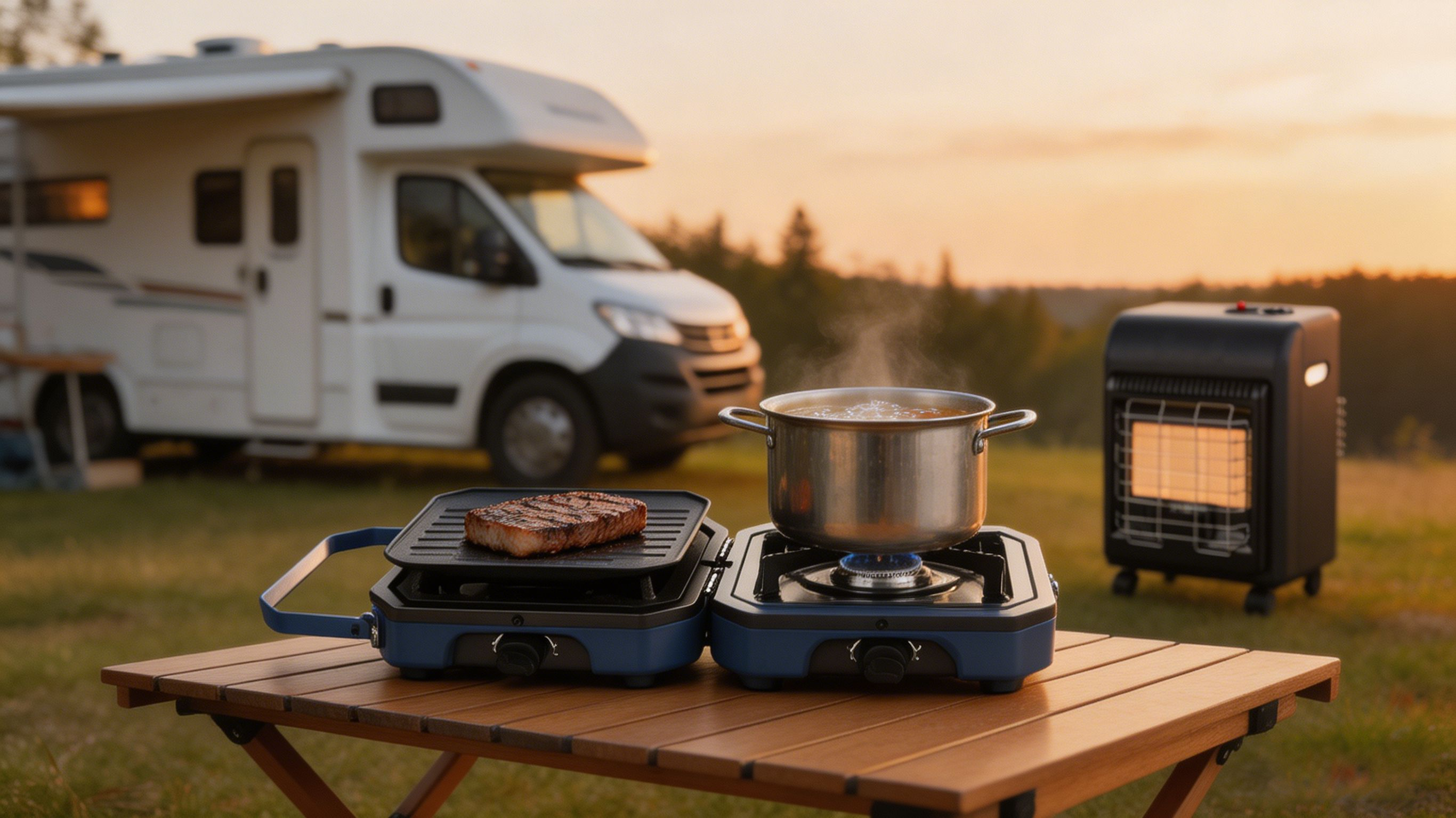
Car camping scenarios allow for larger fuel containers and more robust camping gas stoves systems that may not be practical for backpacking applications. Propane tanks and larger cartridge systems provide extended cooking capability and higher heat output for group meal preparation and extended camping trips. The reduced weight constraints allow for more versatile fuel options and cooking capabilities.
Base camp operations often benefit from refillable propane systems that provide cost-effective fuel supply for extended outdoor activities. Many camping gas stoves designed for base camp use feature multiple burner configurations and enhanced heat control systems that work optimally with steady propane supply. These applications prioritize convenience and cooking capability over portability considerations.
FAQ
Can I use propane cartridges with camping gas stoves designed for butane
Using propane cartridges with camping gas stoves specifically designed for butane is generally not recommended and may be dangerous. Propane operates at significantly higher pressure than butane, and stoves designed only for butane may lack adequate pressure regulation and safety features. The connection types are often different as well, preventing proper cartridge attachment. Always verify fuel compatibility with your specific stove model before attempting to use alternative fuel types.
How does temperature affect fuel performance in camping gas stoves
Temperature dramatically impacts fuel performance in camping gas stoves, with cold weather significantly reducing the effectiveness of butane-based fuels. As temperatures drop below freezing, butane struggles to vaporize properly, resulting in weak flames or complete failure to ignite. Propane and isobutane blends maintain better performance in cold conditions. For winter camping or high-altitude adventures, choosing appropriate cold-weather fuel formulations ensures reliable stove operation.
Are fuel cartridges interchangeable between different camping gas stove brands
Fuel cartridge interchangeability between camping gas stove brands depends on connection standards and threading specifications. While many manufacturers have adopted standardized connection systems like the Lindal valve, some brands still use proprietary designs. European and North American standards may differ, creating compatibility issues. Always verify connection compatibility and fuel specifications before purchasing cartridges for your specific stove model to ensure proper fit and safe operation.
What is the shelf life of fuel cartridges for camping gas stoves
Fuel cartridges for camping gas stoves typically have excellent shelf life when stored properly, often lasting several years without significant degradation. The cartridge seals and valve mechanisms are generally the limiting factors rather than fuel degradation. Store cartridges in cool, dry locations away from temperature extremes and periodically inspect for signs of seal deterioration or container damage. Properly maintained cartridges can provide reliable performance for extended periods when needed for outdoor adventures.