EN
EN


Greșelile Comune Despre Utilizarea Călduritorilor cu Gaz pentru Camere
Încălzitoarele pe gaz pentru încăperi încălzesc locuințele din Europa de decenii, dar aceleași îndoieli apar în fiecare piață: Sunt ele sigure? Sunt ele scumpe de întreținut? Nu este oare încălzirea pe gaz învechită?
Pentru importatori și distribuitori, aceste întrebări nu sunt doar curiozitate consumer. Ele reprezintă o fricțiune în vânzări. Un comerciant care nu poate răspunde la o întrebare a clientului despre siguranță va recomanda în schimb un încălzitor electric — iar comanda va merge la o altă marcă. Acest ghid separă faptele de convingerile învechite, vă oferă punctele tehnice esențiale și explică ce trebuie verificat la un furnizor înainte de a vă angaja într-o comandă cu ridicare mare.
Mitul 1: Încălzitoarele pe gaz pentru încăperi sunt periculoase
Frica provine, de obicei, din amintirea unor echipamente vechi — încălzitoare portabile pe gaz din urmă cu decenii, cu flăcări deschise și fără protecție. Încălzitoarele moderne pe gaz pentru încăperi sunt construite în jurul mai multor sisteme de siguranță independente:
- Senzor de epuizare a oxigenului (ODS): întrerupe automat alimentarea cu gaz dacă nivelul de oxigen din încăpere scade sub un nivel sigur.
- Dispozitiv de detectare a extingerii flăcării (termocuplu sau electrod de detectare a flăcării): închide robinetul de gaz în câteva secunde dacă flacăra se stinge.
- Comutator de răsturnare: întrerupe fluxul de gaz dacă aparatul este răsturnat.
- Protecție împotriva suprăîncălzirii: oprește arzătorul dacă temperatura internă depășește limitele sigure.
Pentru piața europeană, aceste caracteristici se încadrează în cadrul Regulamentului privind aparatele care folosesc gaze; pentru America de Nord, o certificare echivalentă (de exemplu, CSA) impune cerințe de protecție similare. Termenul «periculos» descrie echipamentele vechi — nu un aparat modern certificat CE sau CSA.
Mitul 2: Încălzitoarele cu gaz sunt scumpe de funcționat
Costul de funcționare depinde de prețurile locale ale energiei și, în majoritatea țărilor din Europa și din regiunea CSI, gazul rămâne semnificativ mai ieftin decât electricitatea pe unitatea de căldură utilă. Un încălzitor de cameră cu gaz încălzește, de asemenea, încăperea direct, nu prin suflare de aer cald, ceea ce reduce pierderile de căldură.
Două aspecte sunt importante la compararea costurilor:
- Eficiența aparatului: căutați modele cu clasamente ridicate de eficiență termică și control termostatic, astfel încât arzătorul să funcționeze în regim modulat, nu la putere maximă.
- Comportamentul de încălzire: căldura radiantă directă permite utilizatorilor să se simtă calzi la o temperatură ambientală mai scăzută, ceea ce reduce durata de funcționare.
Pentru un importator, întrebarea practică nu este «gaz sau electric» în abstract — ci care combustibil este cel mai ieftin și mai ușor de obținut pe piața țintă și dacă documentația privind eficiența produsului susține afirmațiile dumneavoastră.
Mitul 3: Instalarea încălzitorilor de cameră pe gaz este dificilă
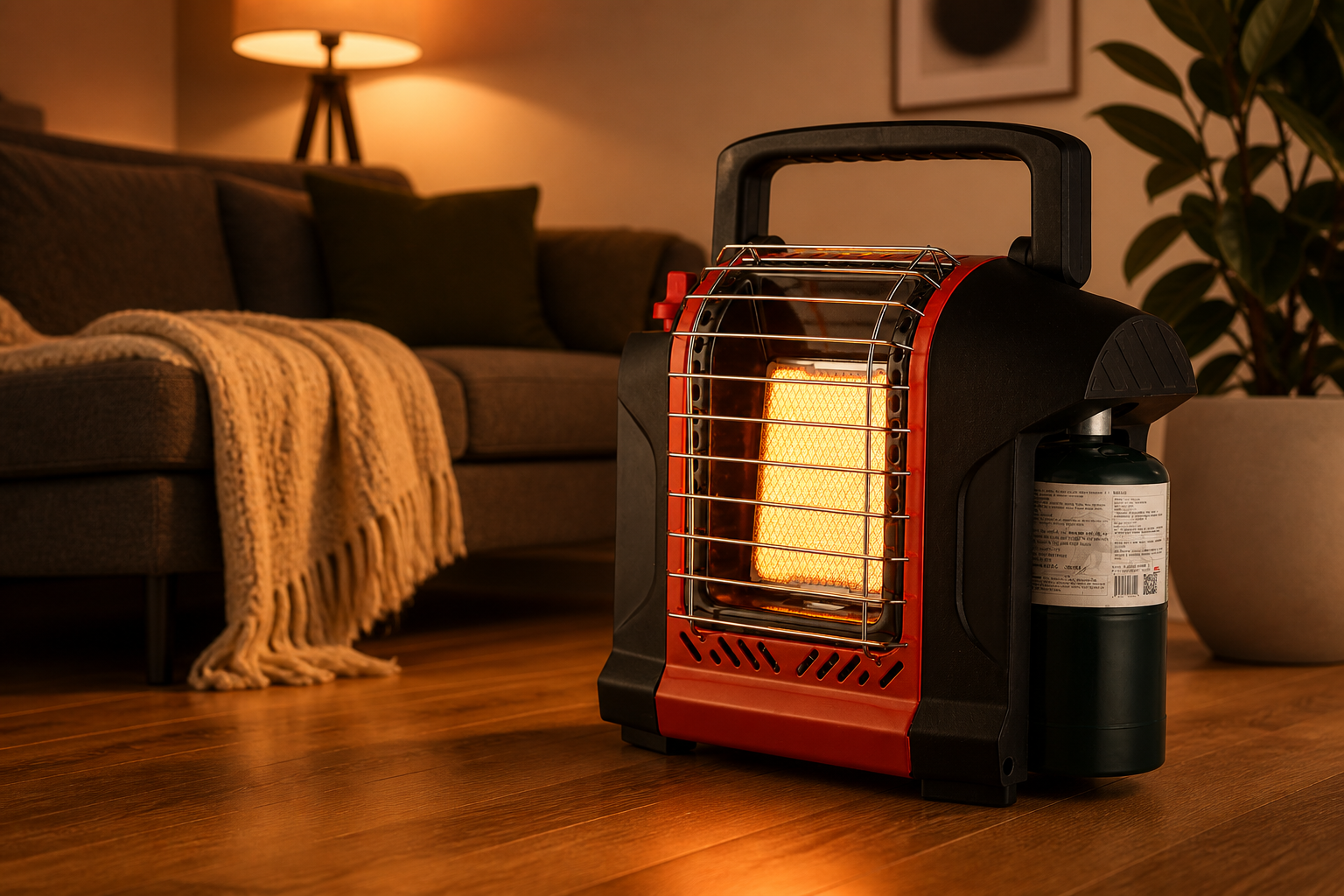
Acest lucru depinde de categoria de produs. Încălzitoarele portabile de cameră pe gaz folosesc un cartuș de gaz reîncărcabil sau o racordare cu furtun la o butelie de gaz — nicio instalație de gaze, nicio evacuare a gazelor arse, nicio conexiune electrică. Utilizatorul racordează gazul, verifică etanșeitatea cu apă săpunată și aprinde unitatea.
Modelele fixe sau montate pe perete, cu o putere mai mare, reprezintă un alt caz: ele trebuie instalate de un tehnician calificat, în conformitate cu reglementările locale. Un importator trebuie întotdeauna să confirme în ce categorie de instalare se încadrează fiecare SKU și să mențină documentația de instrucțiuni corectă — erorile de instalare sunt cauza cea mai frecventă, în practică, a incidentelor, nu aparatul în sine.
Mitul 4: Încălzitoarele de cameră cu gaz fac zgomot
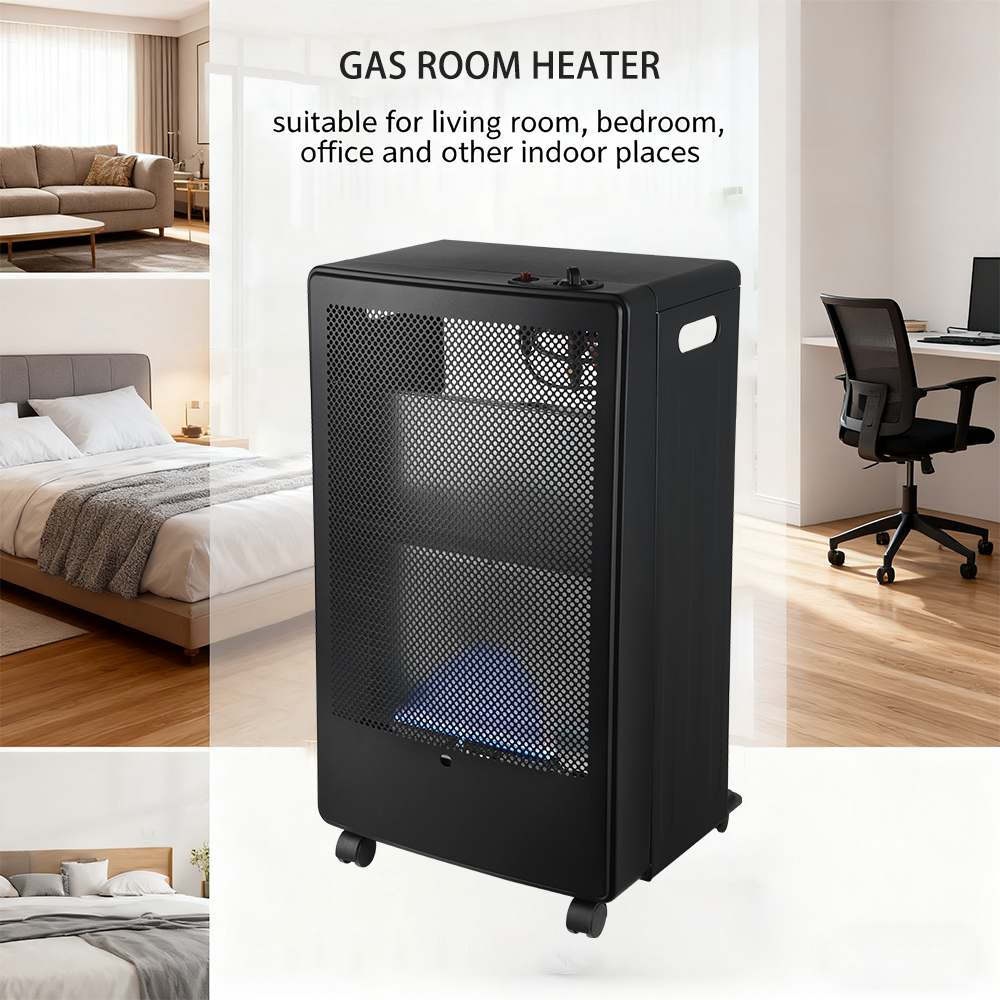
Modelele convective mai vechi puteau fi auzite peste tot în cameră. Cele mai multe încălzitoare moderne de cameră cu gaz, în special cele radiante și cele ceramice, nu au ventilator și niciun element mobil. Singurul sunet este şuieratul blând al arzătorului, pe care utilizatorii îl descriu, în general, ca fiind suficient de liniștit pentru o dormitor sau o zonă de living. Există, desigur, și modele echipate cu ventilator, destinate unei distribuții mai eficiente a căldurii, dar unitățile radiante fără ventilator sunt, de fapt, complet silențioase.
Mitul 5: Încălzitoarele de cameră cu gaz necesită întreținere constantă
Aparatele de încălzire cu gaz pentru încăperi sunt printre cele mai puțin întreținute electrocasnice din locuință. Ceea ce necesită este o verificare vizuală anuală: curățarea arzătorului și a reflectorului, confirmarea faptului că dispozitivul de detectare a deficienței de oxigen (ODS) și termocuplul răspund corect, precum și verificarea stării furtunului și a regulatorului la modelele care funcționează cu GPL. Aceasta este o vizită rutinieră de service, nu o reparație. Pentru distribuitorii angro, un obișnuit util este includerea unui simplu checklist de întreținere în manualul de utilizare — acest lucru reduce defecțiunile în exploatare și protejează reputația dumneavoastră ca furnizor.
Mitul 6: Aparatele de încălzire cu gaz pentru încăperi funcționează doar în încăperi mici
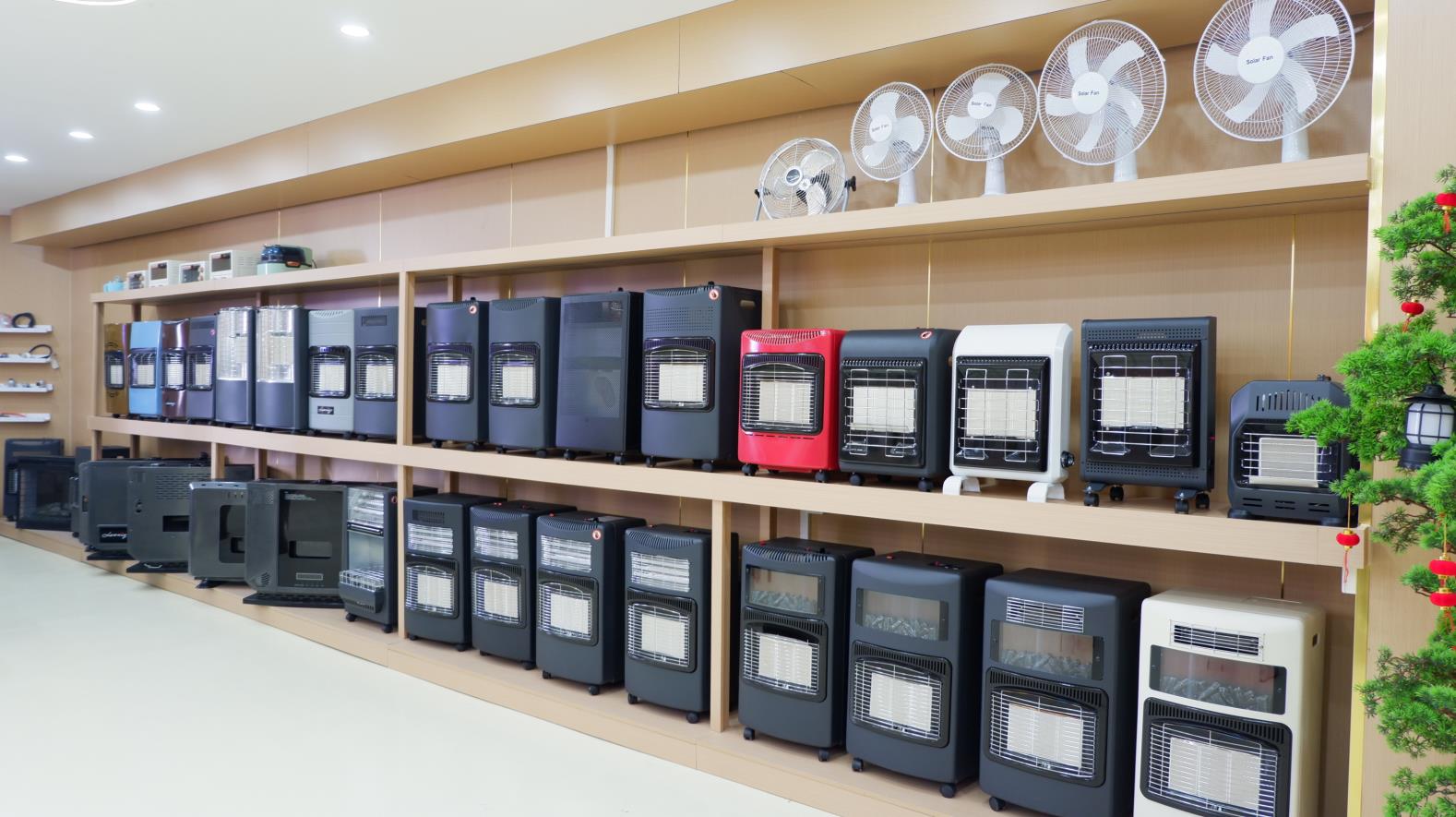
Puterea termică de ieșire este o chestiune de specificație, nu de tehnologie. Încălzitoarele de încăperi cu gaz variază de la unități portabile cu putere scăzută, de aproximativ 2–4 kW, până la modele de înaltă capacitate, de 8 kW și peste, potrivite pentru spații de trai deschise, garaje și zone comerciale. Regula de selecție este aceeași ca și pentru orice alt încălzitor: se potrivește puterea nominală a unității cu volumul încăperii și nivelul de izolare. Un distribuitor care oferă o gamă variată de puteri — nu doar un singur model — poate satisface atât cumpărătorii de apartamente, cât și cei care au nevoie de echipamente pentru spații mai mari, dintr-un singur furnizor.
Mitul 7: Încălzirea cu gaz este dăunătoare mediului înconjurător
Această convingere ignoră sursa reală a electricității. În multe piețe, o parte semnificativă a energiei electrice din rețea este încă produsă din cărbune sau gaze naturale, astfel încât un încălzitor electric cu rezistență arde adesea, în mod indirect, combustibili fosili la centrala electrică — cu pierderi de conversie. Un încălzitor modern cu gaze, de înaltă eficiență, utilizat direct în încăpere, poate avea o amprentă de carbon mai mică pe unitatea de căldură furnizată decât încălzirea electrică prin rezistență, în rețelele electrice dominante în cărbune.
Încălzirea cu gaze evoluează, de asemenea: rețelele de distribuție transportă din ce în ce mai mult biometan, iar aparatele compatibile cu hidrogenul sunt în curs de dezvoltare. Pentru importatori, poziționarea corectă este simplă — încălzirea cu gaze nu este învechită și, pentru multe piețe, rămâne opțiunea cea mai accesibilă și practică.
Sfaturi profesionale pentru importatori și distribuitori
- Verificați personal documentele de certificare. Cereți fabricii certificatul care acoperă exact modelul și tipul de gaz pe care îl importați și verificați categoria de gaz (I3B/P, I3+, sau categoria locală aplicabilă) în raport cu cerințele pieței dumneavoastră. Un certificat pentru o presiune incorectă a gazului nu este un certificat.
- Verificați sistemul de detectare a epuizării oxigenului (ODS) și sistemul de detectare a pierderii flăcării pe eșantionul dumneavoastră. Aceste două dispozitive reprezintă nucleul siguranței moderne a încălzitorilor pe gaz. Verificați dacă aparatul se oprește automat atunci când flacăra se stinge și atunci când oxigenul este epuizat.
- Folosiți configurația corectă de gaz. Piețele diferă în ceea ce privește gazul lichefiat (LPG) și gazul natural. Confirmați înainte de plasarea comenzii — nu după sosirea containerului — ce tip de duză și ce configurație de regulator are nevoie piața țintă.
- Păstrați documentația pregătită pentru distribuitori. Clienții dvs. de la nivel inferior vor repeta miturile de mai sus către cumpărătorii lor. Puneți-le la dispoziție o fișă informativă de o singură pagină pentru fiecare model — aceasta stimulează vânzările produse în magazin.
- Întrebați despre piese de schimb și asistență post-vânzare. Sensoarele ODS, termocuplurile și reglatorii sunt piese supuse uzurii. Un furnizor care deține în stoc și livrează rapid aceste piese vă protejează reputația în serviciul post-vânzare.
Întrebări frecvente
Întrebare 1: Care este cea mai importantă caracteristică de siguranță a unui încălzitor de cameră cu gaz?
Senzorul de epuizare a oxigenului (ODS) este cel esențial — el întrerupe automat alimentarea cu gaz dacă nivelul de oxigen din cameră devine periculos. Protecția împotriva stingerii flăcării (termocuplul) și întrerupătorul de răsturnare sunt celelalte două protecții fundamentale ale unităților moderne.
Întrebare 2: Au încălzitoarele de cameră cu gaz nevoie de o coș de fum sau de o cheminee?
Încălzitoarele portabile de cameră cu gaz, de tip radiant și convectiv, sunt concepute ca aparate fără coș de fum, destinate utilizării ocazionale în camere bine ventilate; manualul de instrucțiuni specifică cerințele de ventilare. Unitățile fixe de înaltă putere și modelele montate pe perete pot necesita evacuarea gazelor arse prin coș de fum, în funcție de reglementările locale. Respectați întotdeauna categoria de instalare definită pentru fiecare model.
Întrebare 3: Pot fi utilizate încălzitoarele de cameră cu gaz cu gaze naturale?
Da — majoritatea modelelor sunt disponibile în variante pentru GPL și gaze naturale. Duza arzătorului și regulatorul diferă între cele două tipuri de gaz, astfel că aparatul trebuie configurat corespunzător tipului de gaz și presiunii acestuia înainte de utilizare.
Întrebarea 4: Cât de eficiente sunt încălzitoarele moderne cu gaz pentru camere?
Încălzitoarele cu gaz pentru camere cu ardere directă transformă cea mai mare parte a energiei combustibilului în căldură utilizabilă, iar modelele cu termostat evită risipa generată de funcționarea la putere maximă. Costurile reale de exploatare se compară cel mai bine pe baza prețurilor locale ale gazului și ale electricității, exprimate pe unitate de căldură.
Întrebarea 5: Sunt permise încălzitoarele cu gaz pentru camere în dormitoare?
Modelele fără coș de evacuare pot fi utilizate în dormitoare în multe regiuni, cu condiția ca încăperea să fie bine ventilată și ca senzorul de epuizare a oxigenului al aparatului să funcționeze corect. Verificați reglementările locale, deoarece cerințele variază în funcție de țară.
Întrebarea 6: Care este durata de viață a unui încălzitor cu gaz pentru camere?
Cu întreținere anuală și utilizare normală, un aparat de calitate funcționează în mod fiabil, în general, timp de 10–15 ani. Înlocuirea periodică a furtunului și a regulatorului la modelele care folosesc GPL reprezintă principalul cost de întreținere rutinier.
Întrebarea 7: De ce unele modele au aspect identic, dar prețuri foarte diferite?
Diferența este, de obicei, internă: materialul arzătorului, calitatea dispozitivului de siguranță cu oxigen (ODS) și a termocuplului, designul schimbătorului de căldură și consistența controlului calității în fabrică. Pentru cumpărătorii la nivel de gros, diferența de preț între furnizori reflectă adesea aceste componente — motiv pentru care testarea eșantioanelor și auditurile fabricilor sunt esențiale.
Întrebare 8: Ce documente ar trebui să solicite un importator de la fabrică?
Minim: certificatul pentru aparatele de gaz destinate pieței de destinație, categoria de gaz și presiunea nominală, rapoartele de testare pentru funcția ODS și pentru întreruperea flăcării, precum și manualul de instrucțiuni. Cumpărătorii OEM ar trebui, de asemenea, să solicite structura dosarului tehnic necesară pentru înregistrarea pe piață, acolo unde este cazul.
Concluzie
Încălzitoarele de cameră cu gaz nu sunt un produs învechit care așteaptă să fie înlocuit — ele reprezintă o soluție practică, accesibilă și din ce în ce mai eficientă de încălzire pentru milioane de locuințe, iar sistemele de siguranță integrate în unitățile moderne răspund preocupărilor generate de echipamentele mai vechi. Miturile persistă pentru că piața continuă să repete informații învechite, nu pentru că tehnologia ar eșua.
Pentru importatori și distribuitori, oportunitatea este clară: alegeți un producător al cărui certificat acoperă exact piața și tipul de gaz pe care le aveți în vedere, verificați sistemele de siguranță pe un eșantion fizic și asigurați canalul dvs. de vânzare cu răspunsuri clare. Dacă evaluați un furnizor de încălzitoare de cameră cu gaz și dorești să analizați certificarea fabricii, procesele de control al calității sau opțiunile OEM, contactați echipa noastră — livrăm încălzitoare de cameră cu gaz certificate distribuitorilor și angroștilor din întreaga lume.